

Brick Living: More Than Just Walls, It’s a Statement
When it comes to Brick Living, The comforting embrace of exposed brick. It’s a textural narrative, a whisper of history, and a bold declaration of aesthetic intent. Many homeowners are drawn to the inherent warmth and character that brick surfaces bring to a living room, but translating that raw appeal into a cohesive, stylish, and functional space can be a formidable challenge. The question isn’t just about *having* brick, but about how to make it sing, how to integrate it seamlessly, and how to ensure it complements, rather than overwhelms, your personal sanctuary. This guide offers expert insights and practical strategies to help you achieve a space that is both timeless and utterly your own.
- Brick Living: More Than Just Walls, It’s a Statement
- Unveiling the Enduring Appeal of Brick Living
- Mastering the Art of Brick Living Room Design
- Color Palette Strategies for Brick Living Rooms
- Balancing Textures: The Crucial Counterpoint
- Strategic Lighting for Brick Interiors
- Furniture Selection for the Brick Living Room
- Enhancing Your Brick Living Room with Decor
- Practical Considerations for Brick Living Rooms
- The Future of Brick Living: Evolving Trends
- Painted Brick: A Modern Twist
- Brick Veneer and Alternatives
- Mixed Materials: Brick Meets Other Textures
- Frequently Asked Questions
- What are the best colors to pair with exposed red brick walls?
- How can I make a brick living room feel less dark?
- Is exposed brick difficult to maintain?
- What types of furniture work best with exposed brick?
- Can I hang heavy items on a brick wall?
- Final Recommendations for Your Brick Living Space
Wikipedia: Contents — Wikipedia
In the context of Brick Living, Transforming a brick wall from a mere structural element into the heart of your living room requires a nuanced understanding of balance, texture, and light. It’s about crafting a dialogue between the rustic charm of brick and the refined elements of modern design.
Unveiling the Enduring Appeal of Brick Living
Around Brick Living, The allure of brick in interior design is far from a fleeting trend; it’s proof of its inherent qualities. Historically, brick was a foundational building material, signifying durability and craftsmanship. This legacy imbues spaces with a sense of permanence and authenticity that is difficult to replicate. In contemporary design, exposed brick walls offer a sophisticated contrast to smoother finishes, creating visual interest and a tactile richness. According to a recent study, homeowners increasingly value spaces that offer a sense of character and history, with exposed brick frequently cited as a desirable feature that adds perceived value and warmth to a home. This preference is driven by a desire for environments that feel more personal and less manufactured.
The inherent variations in color, texture, and even the occasional imperfection of brick lend a unique, organic quality to any room. Unlike mass-produced materials, each brick tells a subtle story, contributing to an overall aesthetic that feels bespoke and deeply personal. This artisanal quality is precisely what makes the brick living room such a compelling design choice, offering a tangible connection to both the past and the present.
The Versatility of Brick: From Rustic to Refined
One of the most compelling aspects of brick is its remarkable adaptability. Whether your design inclination leans towards the cozy, rustic farmhouse aesthetic or the sleek, industrial-chic vibe, brick can be a cornerstone element. A rough, unevenly laid brick wall can evoke a charming, old-world feel, perfect for a country-inspired retreat. Conversely, smooth, uniformly colored brick, perhaps painted or sealed, can lend a more contemporary and sophisticated edge, fitting seamlessly into minimalist or modern interiors. This adaptability means that the “brick living room” isn’t a singular style, but a broad canvas for diverse personal expressions.
Regarding Brick Living, 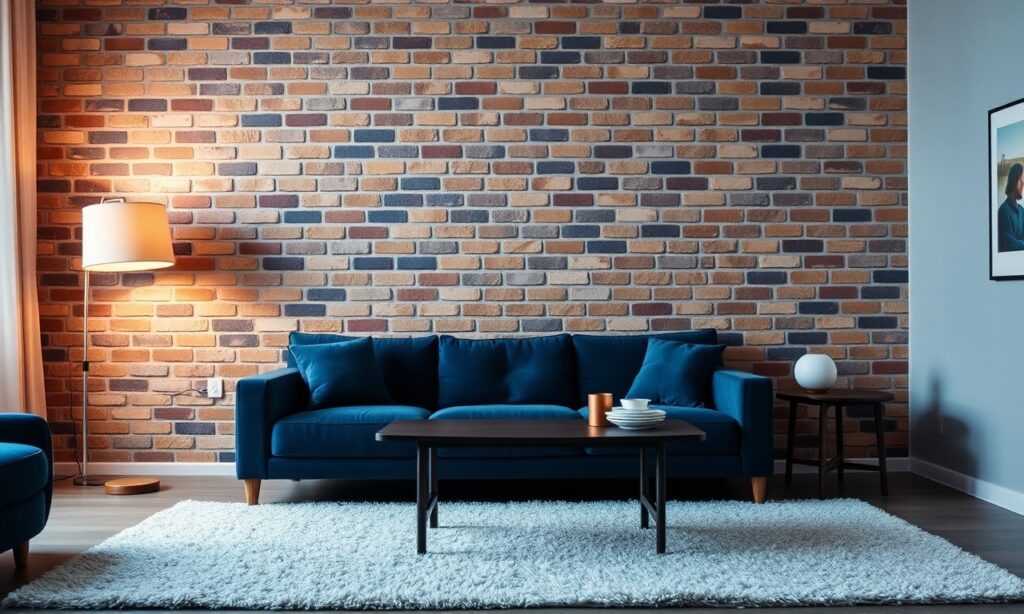
Mastering the Art of Brick Living Room Design
When it comes to Brick Living, Integrating brick into your living room design requires thoughtful consideration to avoid a monochromatic or overwhelming atmosphere. The key lies in balancing the robust texture and color of the brick with other materials, colors, and furnishings. This creates a harmonious environment where the brick acts as a stunning backdrop rather than a singular, dominating feature.
Color Palette Strategies for Brick Living Rooms
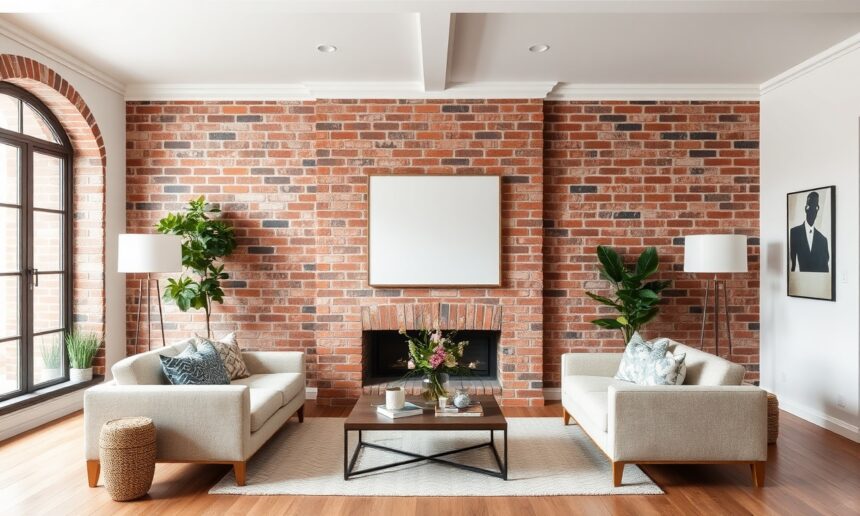
In the context of Brick Living, The color of your brick will significantly influence the overall mood and direction of your design. Red and brown bricks, common in older structures, offer a warm, earthy palette. These tones pair beautifully with natural materials like wood, leather, and linen, as well as with accent colors such as deep greens, muted blues, and warm grays. White or cream-colored bricks can create a brighter, airier feel, making them ideal for smaller spaces or for achieving a more bohemian or Scandinavian-inspired look. They act as a neutral canvas, allowing bolder accent colors in furniture and decor to pop.
Around Brick Living, For those with darker, more variegated bricks, consider introducing lighter elements to prevent the space from feeling too heavy. This could involve using lighter-toned upholstery, pale wood finishes, or even strategically placed mirrors to reflect light. Conversely, if your brick is very light, you might opt for richer, deeper hues in your furnishings and accessories to add depth and warmth.
Balancing Textures: The Crucial Counterpoint
Regarding Brick Living, The inherent texture of brick is its defining characteristic, and successful design hinges on how you complement or contrast it. To soften the ruggedness of exposed brick, introduce smooth, polished surfaces. Think about a sleek glass coffee table, a polished metal floor lamp, or glossy ceramic decorative pieces. Conversely, if your brick is relatively smooth, you might lean into other textured elements like a chunky knit throw, a natural fiber rug (like jute or sisal), or furniture upholstered in rich velvets or bouclé fabrics. This interplay of textures prevents the room from feeling one-dimensional and adds layers of tactile interest.
Strategic Lighting for Brick Interiors
When it comes to Brick Living, Lighting is paramount in any living room, but it takes on a special significance in a brick space. The rough surface of brick can create shadows, and without proper lighting, a room can feel dark or even oppressive. Ambient lighting is essential for overall illumination. Consider recessed ceiling lights or a stylish chandelier to provide a general wash of light. Accent lighting is where you can truly highlight the brick’s character. Wall sconces positioned strategically on or near the brick wall can cast dramatic shadows, emphasizing its texture and depth. Uplighting from floor lamps can also draw attention to the brick’s unique features.
In the context of Brick Living, Natural light should be maximized; sheer curtains or blinds that allow light to filter through will help keep the space feeling open and inviting.
Furniture Selection for the Brick Living Room
The furniture you choose will either enhance or detract from the brick’s natural charm. The goal is to create a dialogue between the architectural element and the functional pieces within the room.
Complementary Furnishing Styles
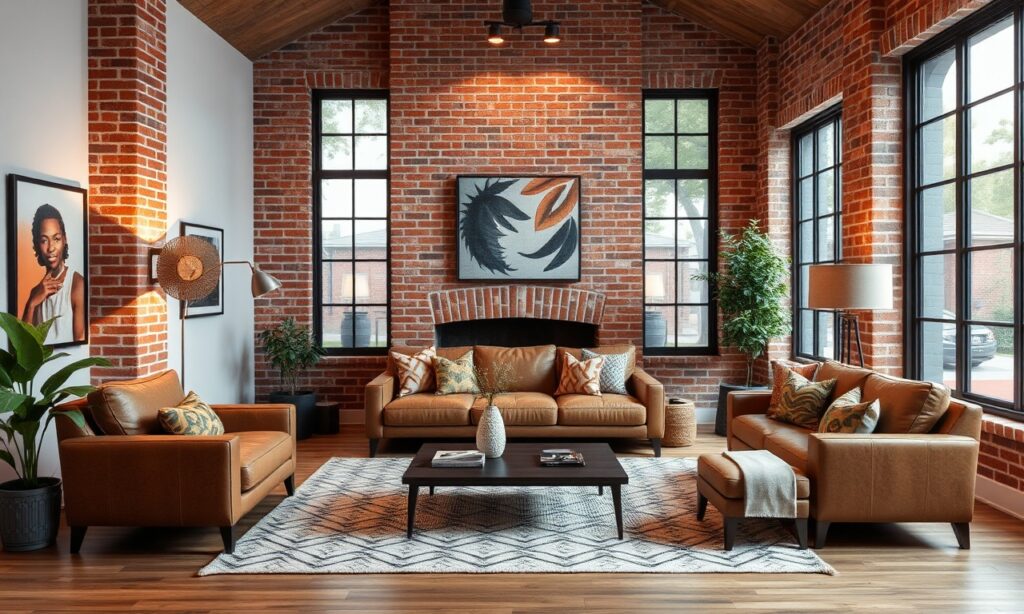
- Industrial Chic: This style naturally pairs with exposed brick. Think metal-framed furniture, leather sofas, reclaimed wood accents, and minimalist decor. The raw, unfinished nature of industrial design harmonizes perfectly with the utilitarian beauty of brick.
- Rustic Farmhouse: Embrace the warmth with wooden furniture, upholstered pieces in natural fabrics like linen or cotton, and vintage-inspired accessories. A substantial wooden dining table or a distressed leather armchair can anchor a rustic brick living room.
- Bohemian: Layer textures and colors. Mix vintage finds with modern pieces, incorporate patterned rugs, macrame wall hangings, and an abundance of plants. Brick provides a neutral, earthy base for a vibrant bohemian tapestry.
- Modern Minimalist: For a cleaner look, pair brick with sleek, contemporary furniture. Opt for simple silhouettes, neutral color palettes, and materials like glass, chrome, and polished concrete. The brick adds a touch of warmth and character to an otherwise stark design.
The Power of Upholstery and Materials
The choice of upholstery and materials for your furniture can significantly influence the overall feel. Soft, tactile fabrics like velvet, chenille, or a plush boucle can provide a luxurious contrast to the rough texture of brick, softening the space and adding an element of comfort. Natural materials such as leather, wood, and woven fibers also complement brick beautifully, reinforcing its organic and earthy qualities. Avoid materials that are too visually busy or have competing strong textures, as they can create a cluttered aesthetic.
Enhancing Your Brick Living Room with Decor
Once the foundational elements are in place, decorative touches can elevate your brick living room from simply decorated to truly curated.
Art and Wall Decor
While the brick wall itself is a statement, it can also serve as an exceptional canvas for art. Large-scale abstract paintings, bold graphic prints, or a curated gallery wall of personal photographs can add personality and color. Consider framing artwork with simple, clean lines to avoid competing with the brick’s texture. For a more subtle approach, hanging large mirrors can bounce light around the room and create an illusion of greater space, while also reflecting the architectural beauty of the brick.
Rugs and Soft Furnishings
Area rugs are essential for defining zones, adding comfort, and introducing color and pattern. A plush rug can soften the floor space in front of a brick wall, while a patterned rug can introduce visual interest and tie together the room’s color scheme. Throws and cushions in contrasting textures and colors are perfect for adding layers of comfort and style to sofas and armchairs. Think about incorporating materials like faux fur, chunky knits, or embroidered fabrics for a luxurious feel.
Greenery: The Lifeline of a Brick Space
Plants are a timeless addition to any interior, and they are particularly effective in brick living rooms. Their natural, organic forms and vibrant green hues provide a refreshing contrast to the solid, earthy tones of brick. Large potted plants, hanging baskets, or a collection of smaller succulents can breathe life into the space, creating a more inviting and balanced atmosphere.
A recent survey by interior design platform Houzz revealed that incorporating plants is one of the most popular ways homeowners are increasing their living space’s “coziness” factor, a sentiment that directly aligns with the inherent warmth of brick.
Practical Considerations for Brick Living Rooms
Beyond aesthetics, there are practical aspects to consider when living with exposed brick.
Cleaning and Maintenance
Exposed brick can attract dust and may require occasional cleaning. The method of cleaning will depend on the type of brick and whether it has been sealed. For unsealed brick, a soft brush or a vacuum cleaner with a brush attachment can be used for regular dusting. For more stubborn marks, a slightly damp cloth can be effective. Avoid using excessive water, as it can damage the mortar. If your brick is sealed, cleaning becomes easier, often requiring just a damp cloth with mild soap. Always test any cleaning solution on an inconspicuous area first.
Sound Absorption
Brick walls, due to their density and hard surface, can contribute to a room feeling echoey. To counteract this, incorporate soft furnishings like thick rugs, upholstered furniture, heavy curtains, and plenty of cushions. These elements help to absorb sound and create a more acoustically pleasing environment.
Sealing and Protection
Depending on the type of brick and its condition, you might consider sealing it. Sealants can help protect the brick from stains, dust, and moisture, making it easier to maintain. They can also enhance the brick’s natural color or provide a matte or satin finish. There are various types of sealants available, so it’s crucial to choose one appropriate for your specific brick type and desired aesthetic. Always test a sealant in an inconspicuous area before applying it to the entire wall.
The Future of Brick Living: Evolving Trends
While the timeless appeal of brick is undeniable, design trends continue to evolve, offering new ways to incorporate it into living spaces.
Painted Brick: A Modern Twist
Painting brick has become a popular way to achieve a different aesthetic. White-washed brick offers a light, airy, and contemporary feel, often seen in Scandinavian and modern farmhouse designs. Black or charcoal-painted brick can create a dramatic, sophisticated statement, particularly in industrial or minimalist settings. The key to painted brick is to ensure the paint is breathable, allowing the wall to still “perform” as a building material and preventing moisture issues.
Brick Veneer and Alternatives
For those who love the look of brick but don’t have exposed brick walls, brick veneer offers a practical solution. This can be made from thin slices of real brick or from manufactured materials that mimic the appearance of brick. These veneers can be applied to existing walls, offering a cost-effective and less invasive way to achieve the desired aesthetic.
Mixed Materials: Brick Meets Other Textures
Contemporary design often embraces the juxtaposition of materials. In brick living rooms, this might mean pairing brick with concrete, metal panels, or large expanses of glass. This interplay of contrasting textures and finishes creates dynamic visual interest and a sophisticated, layered look.
Frequently Asked Questions
What are the best colors to pair with exposed red brick walls?
Exposed red brick walls offer a warm, earthy foundation. They pair exceptionally well with a variety of color palettes. For a cozy, inviting feel, consider deep greens (forest green, emerald), muted blues (navy, slate blue), and warm neutrals like cream, beige, and taupe. Accent colors such as mustard yellow, burnt orange, or even a soft terracotta can add vibrancy. Wood tones, both light and dark, are also excellent companions, enhancing the natural warmth of the brick.
How can I make a brick living room feel less dark?
To combat darkness, maximize natural light by using sheer or light-filtering window treatments. Incorporate ample artificial lighting, including ambient, task, and accent lighting. Strategically place mirrors to reflect light and create an illusion of space. Opt for lighter-colored furniture and decor, such as pale upholstery, light wood finishes, and white or cream accents. Painting the brick white or a light color can also dramatically brighten the space.
Is exposed brick difficult to maintain?
Maintenance depends on the type of brick and its condition. Unsealed brick can attract dust and may require gentle dusting with a soft brush or vacuum. For tougher marks, a slightly damp cloth is usually sufficient; avoid excessive water. Sealed brick is generally easier to clean. It’s important to address any moisture issues promptly to prevent mold or mildew. Regular dusting and occasional spot cleaning are typically all that’s needed for most well-maintained brick walls.
What types of furniture work best with exposed brick?
A wide range of furniture styles can complement exposed brick, depending on the desired aesthetic. Industrial-chic designs featuring metal and leather are a natural fit. Rustic farmhouse styles with wooden furniture and natural fabrics also harmonize beautifully. For a more modern approach, sleek, minimalist furniture with clean lines and smooth finishes provides an effective contrast. The key is to balance the brick’s texture with other materials and styles that either complement or intentionally contrast with it.
Can I hang heavy items on a brick wall?
Yes, you can hang heavy items on a brick wall, but it requires the correct hardware. Standard nails or screws are insufficient. You will need to use specialized anchors designed for masonry, such as expansion anchors or toggle bolts, depending on the weight of the item. Drilling into the brick or mortar requires a hammer drill and the appropriate masonry drill bits. For very heavy items, it’s advisable to consult a professional to ensure secure mounting.
Final Recommendations for Your Brick Living Space
Embracing brick living room ideas is an invitation to craft a space that resonates with warmth, character, and enduring style. The journey begins with understanding the inherent beauty of brick and then thoughtfully layering other elements to create a harmonious and inviting environment. Prioritize a balanced color palette that complements the brick’s natural tones, and don’t shy away from contrasting textures to add depth and tactile interest. Strategic lighting is your ally in revealing the brick’s dimensionality and ensuring the room feels welcoming at all hours. When selecting furniture and decor, aim for pieces that either echo the brick’s rustic charm or provide a sophisticated counterpoint.
Finally, remember the practicalities: proper cleaning, maintenance, and sound absorption will ensure your brick living room remains a cherished sanctuary for years to come. By approaching your design with intention and a keen eye for detail, you can transform a brick wall into the heart of a truly captivating living space.
See also: Brick Living