

The Enduring Allure of Exposed Brick in Contemporary Design
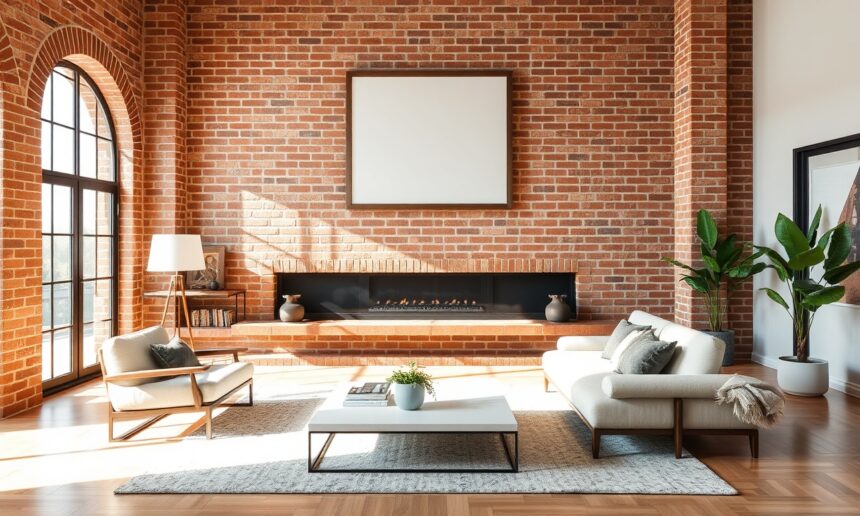
Has the thought of embracing exposed brick in your living space ever struck you as potentially overwhelming, perhaps even leaning towards the austere or the unfinished? Many perceive brick walls as a relic of industrial spaces or rustic farmhouses, a stylistic choice that, if not handled with immense care, can quickly devolve into a cold, unwelcoming environment. Yet, the truth is far more nuanced and exciting. Modern brick living rooms are not merely a trend; they represent a sophisticated integration of texture, history, and contemporary elegance. When approached with a strategic vision, exposed brick can inject unparalleled character, warmth, and a distinct sense of place into even the most mundane of rooms, transforming them into truly captivating and livable sanctuaries.
- The Enduring Allure of Exposed Brick in Contemporary Design
- From Industrial Chic to Cozy Haven: Styling Your Modern Brick Living Room
- Bridging the Gap: Furniture and Fabric Choices
- The Power of Color Palette
- Integrating Lighting for Ambiance
- Harnessing Texture: Beyond the Accent Wall
- The Practicalities of Modern Brick Living Rooms
- Maintenance and Care: Keeping it Beautiful
- Expert Insight
- Addressing Potential Issues: Moisture and Insulation
- Step-by-Step: Integrating Modern Brick into Your Living Room
- Frequently Asked Questions
- What is the best way to clean exposed brick walls?
- Can I paint my exposed brick living room walls?
- How do I make a brick living room feel warm and inviting?
- Is exposed brick a good insulator?
- What kind of furniture pairs best with modern brick living rooms?
- Final Recommendations for Your Modern Brick Living Room
Wikipedia: Contents — Wikipedia
Modern brick isn’t just a wall; it’s a narrative of texture, history, and warmth waiting to be woven into the fabric of your home.
When it comes to Modern Brick, This architectural element, when thoughtfully incorporated, offers a tactile richness and visual depth that polished surfaces simply cannot replicate. It speaks to an appreciation for authenticity and a desire for spaces that feel both grounded and aspirational. The inherent variations in color, age, and even subtle imperfections of brick lend an organic beauty that evolves with time and light, creating a dynamic backdrop for your life.
Key Takeaways
- Authentic Texture: Exposed brick provides an unparalleled tactile and visual richness that synthetic materials cannot match.
- Versatile Foundation: It serves as a robust and adaptable canvas, smoothly connect with diverse design styles from minimalist to maximalist.
- Warmth & Character: Properly styled, brick walls inject a unique sense of history, warmth, and personality into a living room.
- Investment in Durability: Brick is a long-lasting material, offering a timeless appeal that can enhance property value.
Understanding the ‘Modern Brick’ Aesthetic
The concept of “Modern Brick” in interior design transcends the simple act of revealing an existing brick wall. It’s about a deliberate, curated approach that leverages the material’s inherent qualities to complement and elevate contemporary living. This involves understanding the *type* of brick, its *condition*, and how it interacts with other design elements. We’re not just talking about a raw, unfinished wall; we’re discussing how to integrate it as a focal point or a subtle textural accent that enhances the overall aesthetic. The goal is to harness its raw beauty while ensuring it harmonizes with modern sensibilities, creating a space that feels both historically grounded and forward-thinking.
In the context of Modern Brick, This often involves a delicate balance between embracing the material’s ruggedness and introducing elements of refined elegance.
Around Modern Brick, 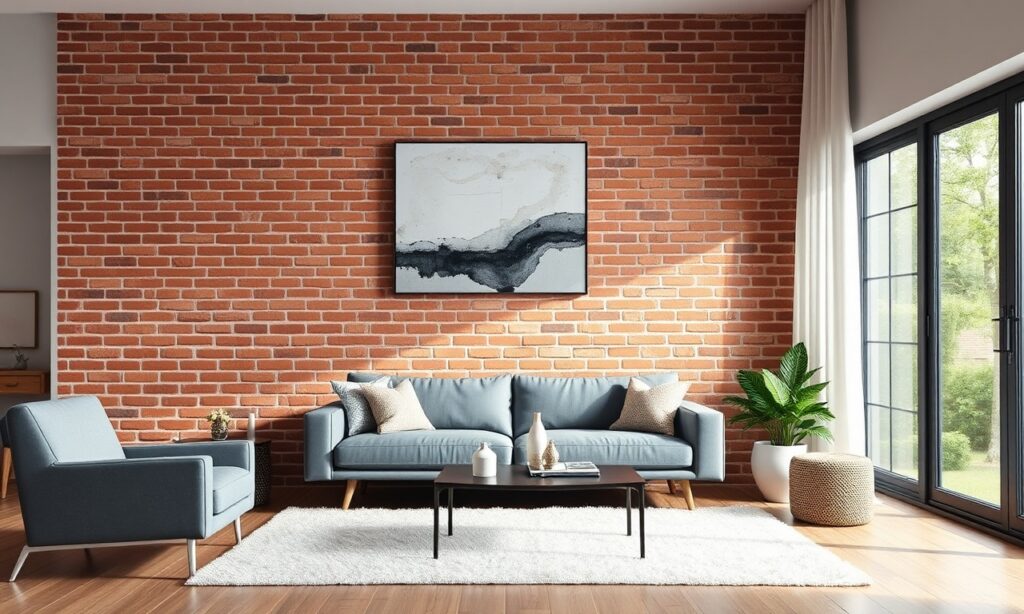
From Industrial Chic to Cozy Haven: Styling Your Modern Brick Living Room
Regarding Modern Brick, The perceived challenge with brick often lies in its potential to feel too industrial or cold. However, this is precisely where creative styling becomes paramount. The key is to create a dialogue between the brick and its surroundings, softening its edges and highlighting its inherent beauty. Think of the brick wall as a textured canvas upon which you can layer your personal style. The choice of furniture, textiles, lighting, and decorative accents will dictate whether your living room leans towards an urban loft aesthetic or a cozy, inviting retreat.
Bridging the Gap: Furniture and Fabric Choices
When it comes to Modern Brick, To counter any potential austerity, opt for furniture that introduces softness and warmth. Plush sofas in rich, inviting fabrics like velvet, chenille, or textured linen can beautifully complement the rough texture of brick. Consider furniture with clean, modern lines to maintain a contemporary feel, but ensure these pieces offer comfort and visual softness. For instance, a deep-seated sectional in a charcoal grey or a warm taupe can provide a grounding element against a prominent brick wall. Adding an abundance of cushions and throws in complementary colors and varying textures – think chunky knits, faux fur, or smooth silks – will instantly invite a sense of coziness.
In the context of Modern Brick, A well-placed rug is another crucial element. A large, soft rug in a neutral tone or a subtle geometric pattern can anchor the seating area and add a layer of comfort underfoot, visually separating the space from the potentially rougher texture of the floor or the immediate brick surface.
The Power of Color Palette
Around Modern Brick, The color palette you choose will significantly influence the mood of your brick living room. While exposed brick itself offers a natural, earthy tone, it can be paired with a wide range of colors. For a sophisticated, minimalist look, consider a monochromatic scheme with variations of grey, white, and black. This allows the texture of the brick to be the star without overwhelming the space. Alternatively, for a warmer, more inviting atmosphere, embrace earthy tones like deep greens, burnt oranges, or even rich blues. These colors can create a sense of depth and richness, making the brick feel more integrated and less like an isolated feature.
Regarding Modern Brick, For spaces where the brick is a dominant feature, painting adjacent walls in a soft, off-white or a very light grey can help to balance the visual weight and prevent the room from feeling too dark or heavy. This also creates a subtle contrast that allows the brick’s natural hues to pop.
Integrating Lighting for Ambiance
When it comes to Modern Brick, Lighting is perhaps the most critical element in transforming a brick living room from potentially stark to sumptuously inviting. Harsh, overhead lighting can emphasize any imperfections in the brick and create a cold ambiance. Instead, focus on layered lighting that creates warmth and highlights texture.
Harnessing Texture: Beyond the Accent Wall
In the context of Modern Brick, While an entire accent wall of exposed brick is a popular choice, the beauty of brick can be integrated in more subtle yet equally impactful ways. Consider using brick as a decorative element on a smaller scale, or explore different types of brick finishes to achieve a specific aesthetic.
Beyond the Red Brick: Exploring Variations
Around Modern Brick, The traditional image of red brick is just one facet of its potential. Today, you can find a spectrum of brick types and finishes that cater to modern design sensibilities. White-washed brick, for example, offers a softer, more ethereal feel, diffusing the light and creating a brighter, more airy atmosphere. This is an excellent option for those who love the texture of brick but desire a lighter, more Scandinavian or coastal vibe.
Regarding Modern Brick, Similarly, grey-toned or charcoal bricks can lend a sophisticated, contemporary edge, particularly when paired with minimalist furniture and a sleek color palette. For a truly unique statement, consider reclaimed bricks, which carry their own history and imperfections, adding a layer of authentic character that is impossible to replicate. Researching the provenance of reclaimed bricks can even add an interesting narrative to your design. Research suggests that using reclaimed building materials can offer unique character and a reduced environmental impact compared to new materials.
When it comes to Modern Brick, 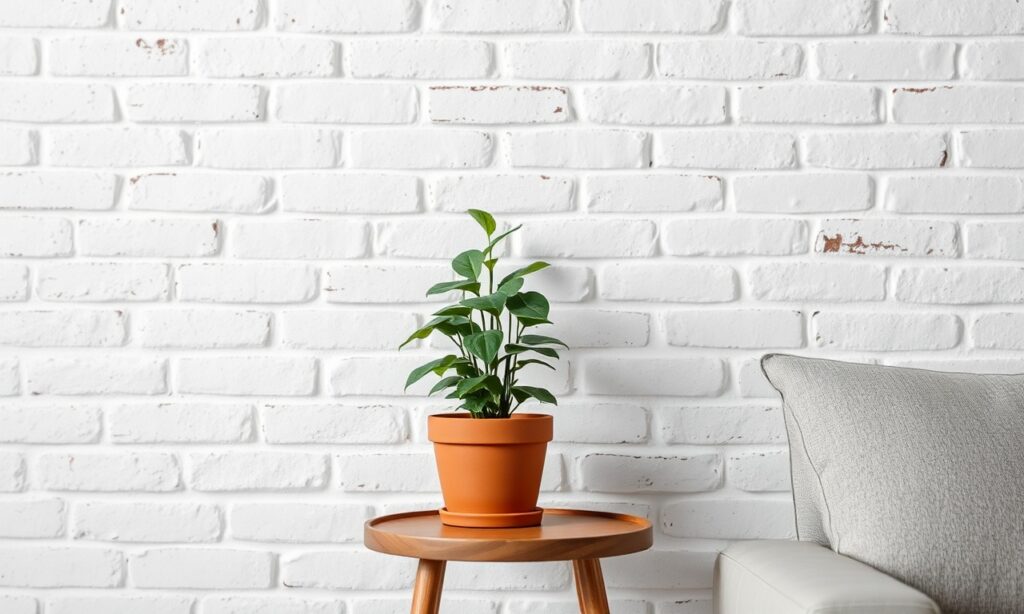
Strategic Placement: Corners, Niches, and Fireplaces
In the context of Modern Brick, Instead of committing to an entire wall, consider using brick to highlight architectural features. A brick-clad fireplace surround can become an instant focal point, radiating warmth and character. This is a classic application that never goes out of style. Another effective strategy is to use brick on partial walls, internal corners, or within alcoves and niches. This adds visual interest and texture without overwhelming the space, creating intimate nooks or drawing attention to specific design elements.
For instance, a shallow brick-clad niche can serve as a stunning backdrop for displaying artwork, sculptures, or cherished collectibles, creating a dynamic interplay between the solid material and the objects it showcases. This approach allows for controlled bursts of texture and color, integrating the brick seamlessly into the overall design narrative.
The Practicalities of Modern Brick Living Rooms
Beyond aesthetics, it’s essential to consider the practical aspects of incorporating brick into your living space. Understanding maintenance, potential issues, and how to optimize its presence is key to long-term satisfaction.
Maintenance and Care: Keeping it Beautiful
Exposed brick, while durable, does require some attention to maintain its appearance. Dust can accumulate in the mortar lines, and occasional cleaning is necessary. A soft brush or a vacuum cleaner with a brush attachment can be used for regular dusting. For more stubborn dirt or stains, a mild detergent mixed with water and a soft cloth or sponge can be employed. It is crucial to avoid abrasive cleaners or excessive water, as these can damage the mortar or the brick surface.
Expert Insight
For deep cleaning or to remove stubborn stains, consider a specialized brick cleaner. Always perform a spot test in an inconspicuous area first to ensure compatibility with your brick type and mortar. Professional cleaning services can be invaluable for extensive restoration or for those unsure about the best approach.
Sealing the brick is another consideration. Depending on the type of brick and its porosity, a sealant can help protect it from moisture, stains, and efflorescence (a white, powdery deposit). The decision to seal should be based on the specific characteristics of the brick and the desired aesthetic. Some prefer the natural, unsealed look, while others opt for the added protection and slightly altered sheen that a sealant can provide.
Addressing Potential Issues: Moisture and Insulation
One of the primary concerns with exposed brick walls, particularly in older homes, is moisture management. Brick and mortar are porous materials, and if not properly managed, they can absorb and retain moisture, leading to issues like mold, mildew, and structural damage. Ensuring proper ventilation and addressing any external sources of water ingress (e.g., faulty gutters, cracked foundations) is paramount.
Insulation is another factor. Uninsulated brick walls can contribute to heat loss in the winter and heat gain in the summer, making your living room less energy-efficient. Modern construction techniques often incorporate insulation within the brickwork or as an additional layer during renovation. If you have an older home with uninsulated brick walls, consider the benefits of adding insulation during any significant renovations. Experts note that adding insulation to walls can significantly improve energy efficiency, leading to cost savings over time.
Step-by-Step: Integrating Modern Brick into Your Living Room
Transforming your living room with the warmth and character of modern brick is an achievable goal with careful planning and execution. Whether you’re undertaking a major renovation or a smaller decorative update, following a structured approach ensures the best results.
-
Assess Your Existing Space:
Begin by evaluating your current living room. Do you have existing brick that can be exposed, or are you considering adding new brick elements? Consider the overall style of your home and the mood you wish to create. If exposing existing brick, have a professional assess its condition, stability, and any potential moisture issues before proceeding. -
Define Your Design Vision:
Decide on the extent of brick integration. Will it be a full accent wall, a partial feature, a fireplace surround, or a more subtle application? Research different brick types, colors, and finishes (e.g., white-washed, grey, reclaimed) and how they align with your desired aesthetic. Gather inspiration from design magazines, online platforms, and showrooms. -
Plan Your Color Palette and Furniture:
Once the brick element is defined, select a complementary color scheme for your walls, furniture, and accessories. Prioritize comfort and texture in your furniture choices to balance the brick’s inherent ruggedness. Consider the scale of your furniture relative to the brick feature. -
Strategize Lighting:
Develop a lighting plan that incorporates ambient, task, and accent lighting. Layering light sources with dimmers will allow you to control the mood and highlight the texture of the brick effectively. Avoid harsh, direct lighting. -
Consider Practicalities:
Address any necessary repairs, cleaning, or sealing of existing brick. If adding new brick, ensure proper installation by a qualified professional. Research and plan for insulation and ventilation, especially if dealing with exterior walls. -
Execute and Accessorize:
Implement your design plan, starting with the brickwork and major furnishings. Once the foundational elements are in place, introduce decorative accessories, artwork, rugs, and textiles. Continuously assess how the elements interact and adjust as needed to achieve a harmonious and inviting space.
Frequently Asked Questions
What is the best way to clean exposed brick walls?
For routine dusting, a soft brush or a vacuum cleaner with a brush attachment works well. For more stubborn dirt or stains, use a mild detergent mixed with water and a soft cloth or sponge. Always avoid abrasive cleaners and excessive water. For deep cleaning or specific stains, consider specialized brick cleaners, but always test in an inconspicuous area first.
Can I paint my exposed brick living room walls?
Yes, you absolutely can paint exposed brick. White-washing is a popular technique that softens the brick’s appearance, creating a brighter, more contemporary feel. You can also paint brick in any color to match your decor. Ensure the brick is clean and dry before painting, and use a high-quality primer designed for masonry surfaces.
How do I make a brick living room feel warm and inviting?
The key is to balance the texture of the brick with soft furnishings and warm elements. Use plush rugs, comfortable sofas with plenty of cushions and throws in inviting fabrics, and layered lighting with warm-toned bulbs. Introduce natural elements like plants and wooden furniture. A well-designed color palette that complements the brick’s natural tones is also crucial.
Is exposed brick a good insulator?
Generally, uninsulated brick walls are not excellent insulators. They can absorb and release heat slowly, which can be beneficial in some climates, but they often lead to energy loss. For optimal comfort and energy efficiency, consider adding insulation behind or within the brickwork, especially for exterior walls.
What kind of furniture pairs best with modern brick living rooms?
Modern brick living rooms are incredibly versatile. They pair well with a range of furniture styles. For a contemporary look, opt for clean-lined, minimalist pieces in materials like leather, metal, or sleek wood. For a warmer, cozier feel, introduce upholstered furniture with soft textures like velvet or chenille. Vintage or industrial-style furniture can also complement the brick’s character beautifully.
Final Recommendations for Your Modern Brick Living Room
Embracing modern brick in your living room is an opportunity to infuse your home with character, warmth, and timeless appeal. The journey from a potentially bland or overlooked brick surface to a stunning design feature is one of careful consideration and creative application. Prioritize understanding the material itself – its type, condition, and how it interacts with light and surrounding elements. Don’t shy away from exploring the diverse range of brick finishes available today, from classic reds to contemporary whites and greys, as each offers a unique textural and visual contribution.
Remember that successful modern brick design is about balance. Juxtapose the material’s inherent ruggedness with soft textiles, comfortable furnishings, and thoughtful lighting. The right color palette will tie everything together, creating a cohesive and inviting atmosphere. Always be mindful of the practicalities, ensuring proper maintenance and addressing any potential issues like moisture or insulation to guarantee both the beauty and longevity of your space. By approaching your brick living room with a strategic vision and a commitment to detail, you can indeed transform it from a mere wall into a captivating focal point that enhances your home’s narrative and your daily living experience.
See also: Modern Brick