

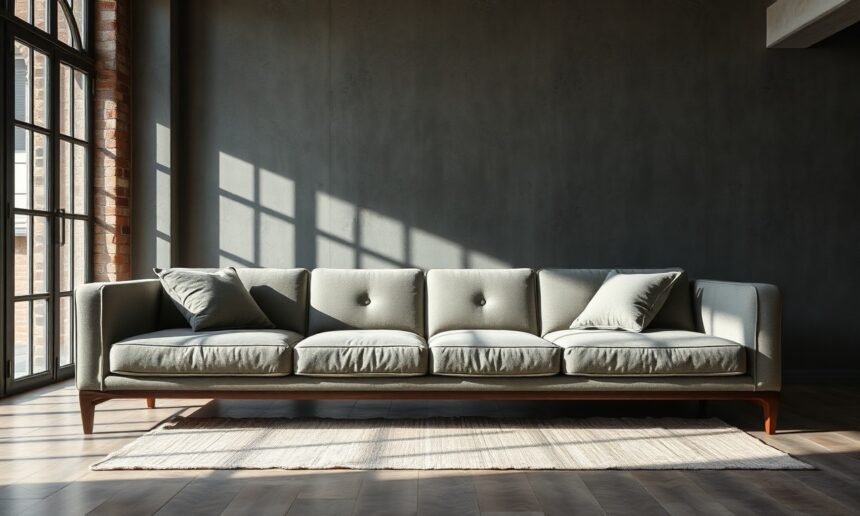
The Allure of the Industrial Sofa: More Than Just Furniture
The home should be the treasure chest of one’s finest moments. in interior design, few styles evoke such a powerful sense of character and history as the industrial aesthetic. At its heart, the industrial sofa is not merely a piece of seating; it’s a cornerstone, a declaration of taste that anchors a room with its robust presence and inherent narrative. It transcends the ephemeral trends of fast furniture, offering a timeless appeal rooted in authenticity and a tangible connection to the past. This guide is your definitive journey into understanding, selecting, and integrating the perfect industrial sofa into your envisioned space, ensuring it becomes the treasure chest of your finest moments.
- The Allure of the Industrial Sofa: More Than Just Furniture
- Unearthing the Industrial Aesthetic: Origins and Evolution
- The Anatomy of an Industrial Sofa: Key Design Elements and Materials
- Selecting Your Industrial Sofa: A Strategic Approach
- Assessing Your Space: Scale and Proportion are Paramount
- Defining Your Style: Nuances within the Industrial Spectrum
- Functionality Meets Aesthetics: Beyond the Look
- Integrating the Industrial Sofa into Your Home: Creating Cohesive Spaces
- Complementary Textures and Materials
- Color Palettes: Anchoring with Neutrals and Accents
- Lighting: Setting the Mood
- Styling Your Industrial Sofa: The Finishing Touches
- The Industrial Sofa in Different Rooms: Versatility and Application
- Living Rooms: The Heart of the Home
- Home Offices: A Statement of Professionalism and Personality
- Bedrooms: Unexpected Luxury
- Care and Maintenance: Preserving the Industrial Charm
- The Enduring Appeal of the Industrial Sofa
- Frequently Asked Questions
- What makes a sofa “industrial”?
- Can an industrial sofa fit into a modern or minimalist home?
- What are the best materials for an industrial sofa regarding durability?
- How do I clean and maintain a leather industrial sofa?
- What kind of coffee table complements an industrial sofa?
- Final Recommendations
Wikipedia: Contents — Wikipedia
“Authenticity is the daily practice of letting go of who we think we’re supposed to be and embracing who we are.” – Brené Brown
Unearthing the Industrial Aesthetic: Origins and Evolution
The industrial design movement, which gained traction in the late 19th and early 20th centuries, found its roots in the repurposing of old factories, warehouses, and urban loft spaces. As manufacturing declined in certain areas, these vast, open-plan structures were often converted into residential or commercial properties. The inherent characteristics of these spaces – exposed brick walls, concrete floors, visible ductwork, and raw metal beams – became the very elements that defined the industrial style. Furniture that populated these spaces was often utilitarian, durable, and unadorned, built for function rather than form. The industrial sofa, in this context, emerged as a sturdy, often leather-clad piece, designed to withstand heavy use and complement the rugged, unpolished backdrop.
It embodied a spirit of resilience and resourcefulness, proof of a bygone era of craftsmanship and industrial might. This historical lineage imbues the industrial sofa with a unique gravitas, making it a focal point that tells a story of heritage and enduring style.
The Anatomy of an Industrial Sofa: Key Design Elements and Materials
When we speak of an industrial sofa, certain defining characteristics immediately come to mind. These elements work in concert to create a piece that is both visually striking and deeply comfortable.
Materials: The Foundation of Authenticity
The choice of materials is paramount in achieving the genuine industrial look. These are not delicate finishes; they are robust, often showing their age or intended to mimic it.
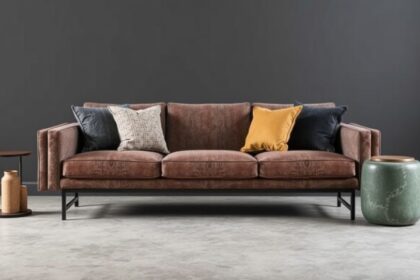
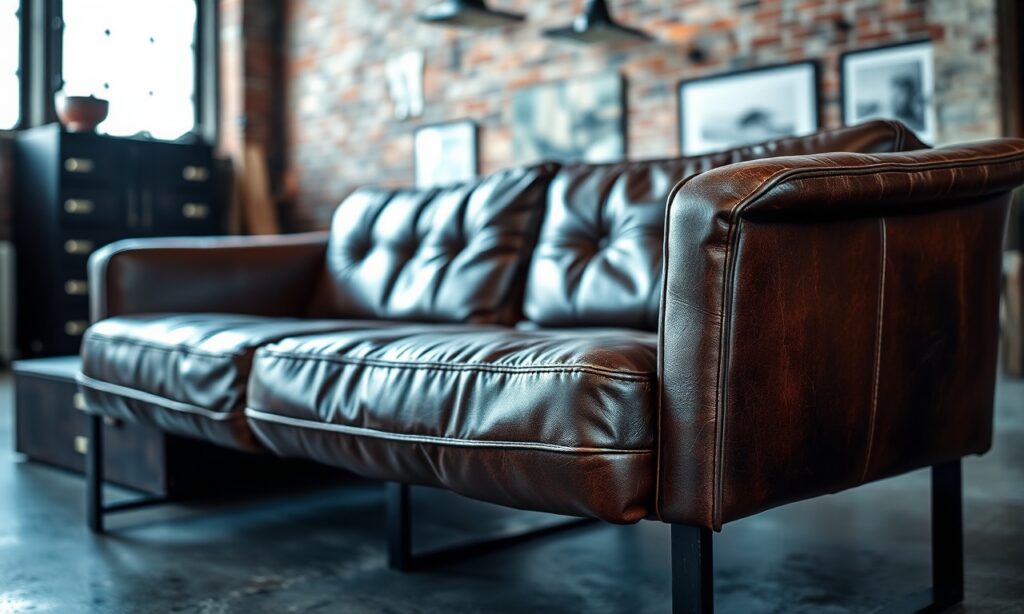
- Leather: This is arguably the most iconic material for an industrial sofa.
- Full-grain or Top-grain Leather: These offer the most character, developing a rich patina over time with use. Look for distressed, aged, or pull-up finishes that showcase natural variations in color and texture. Shades of brown, tan, charcoal, and deep oxblood are classic choices.
- Bonded Leather: While more budget-friendly, bonded leather can sometimes lack the depth and durability of genuine hides. If opting for this, scrutinize the finish for a convincing aged appearance.
- Metal Accents: Exposed metal frames, legs, or decorative rivets are quintessential.
- Iron, Steel, and Brushed Nickel: These metals, often in black, dark grey, or a subtle brushed finish, add to the utilitarian charm. They provide structural integrity and a contrasting texture to softer upholstery.
- Upholstery Fabrics (Beyond Leather): While leather reigns supreme, other fabrics can achieve an industrial feel when combined with the right frame and design.
- Heavy-duty Canvas or Twill: These natural fibers, often in earthy tones like olive green, charcoal, or beige, can lend a rugged, workwear-inspired feel.
- Distressed or Textured Wools: Certain textured wools, especially in muted or darker shades, can complement the industrial palette.
- Wood Elements: Though less common as primary upholstery material, reclaimed or raw wood can appear in the sofa’s frame or as accent pieces, further enhancing the organic, salvaged feel.
Design Features: Form Follows Function (and Form)
The silhouette of an industrial sofa is as important as its materials.
- Low-Profile Design: Many industrial sofas feature a lower, more grounded profile, evoking the sturdy, functional furniture of early factories.
- Clean Lines and Geometric Shapes: While not overtly ornate, the lines are often strong and defined, reflecting a no-nonsense approach to design. Square arms, straight backs, and geometric silhouettes are common.
- Deep Seating and Generous Proportions: Industrial spaces often call for furniture that feels substantial and inviting. Deep seats encourage lounging and relaxation, fitting the loft lifestyle.
- Exposed Stitching and Rivets: Visible seams, decorative stitching, and metal rivets are not flaws but features that highlight the construction and add to the artisanal, handmade feel.
- Tufting: Deep button tufting, particularly on leather sofas, can add a touch of vintage sophistication while maintaining a robust appearance.
Selecting Your Industrial Sofa: A Strategic Approach
Choosing the right industrial sofa is a critical decision that will shape the entire aesthetic of your space. It requires careful consideration of scale, proportion, existing décor, and personal comfort preferences.
Assessing Your Space: Scale and Proportion are Paramount
Before falling in love with a particular model, measure your room meticulously. An oversized sofa can overwhelm a smaller space, while a too-small piece can look lost in a grand loft.
- Room Dimensions: Note the length, width, and height of the area where the sofa will be placed. Consider the flow of traffic around it.
- Doorways and Hallways: Ensure the sofa can physically be maneuvered into your home. Measure doorways, stairwells, and elevator shafts if necessary.
- Complementary Furniture: Think about how the sofa will interact with other pieces. Will it balance a large rug, or will it need a substantial coffee table to match its presence?
Defining Your Style: Nuances within the Industrial Spectrum
The term “industrial” encompasses a range of styles. Understanding these nuances will help you pinpoint the perfect fit.
- Raw Industrial: This is the most archetypal style, characterized by rough textures, exposed materials, and a utilitarian feel. Think salvaged wood, raw metal, and heavily distressed leather.
- Modern Industrial: This interpretation blends industrial elements with cleaner lines and more refined finishes. You might see a more polished metal, smoother leather, or subtle integration of industrial motifs into a contemporary silhouette.
- Rustic Industrial: This style leans into the natural, organic side of industrial design, often incorporating more wood, softer textures, and a warmer palette. It feels more lived-in and cozy.
Functionality Meets Aesthetics: Beyond the Look
While the visual appeal is crucial, the sofa’s primary function is comfort.
- Seating Depth and Firmness: Consider how you typically use your sofa. Do you prefer to curl up, recline, or sit upright? Deeper seats are great for lounging, while firmer cushions offer more support for extended sitting.
- Durability and Maintenance: If you have pets, children, or entertain frequently, opt for materials known for their resilience and ease of cleaning. Leather, with its natural durability, is often an excellent choice, though it does require specific care.
- Color Palette Integration: While classic industrial colors are earthy and muted, consider how your chosen sofa color will interact with your walls, flooring, and other accent pieces. A charcoal leather sofa can ground a space, while a tan model might offer a warmer focal point.
Integrating the Industrial Sofa into Your Home: Creating Cohesive Spaces
The industrial sofa is a powerful statement piece, but its true magic lies in how it’s integrated into the broader design of a room. It’s about creating a dialogue between the sofa and its surroundings.
Complementary Textures and Materials
The industrial aesthetic thrives on a rich interplay of textures. To enhance the impact of your industrial sofa, surround it with elements that echo its materiality.
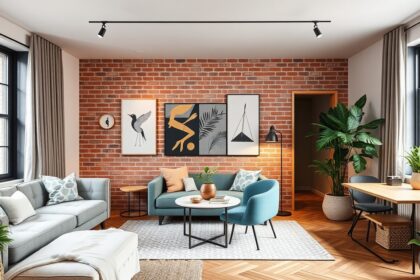
- Exposed Brick and Concrete: If you have these architectural features, your industrial sofa will feel right at home. If not, consider incorporating them through accent walls, concrete-effect paint finishes, or decorative panels.
- Reclaimed Wood: Pair your sofa with coffee tables, side tables, or shelving units made from reclaimed wood. The imperfections and history of the wood will resonate with the sofa’s narrative.
- Metal Elements: Introduce metal through lighting fixtures (pendants, floor lamps), shelving, or decorative accessories like trays and vases. Matte black, brushed steel, or dark bronze finishes work well.
- Textiles: Balance the robustness of the sofa with softer textiles. Think chunky knit throws, woven rugs with natural fibers (jute, wool), and cushions in muted tones or subtle patterns that complement the leather or fabric.
Color Palettes: Anchoring with Neutrals and Accents
The industrial color palette is typically grounded in neutrals, allowing the textures and materials to take center stage.
- Base Neutrals: Grays, beiges, whites, and blacks form the foundation. These colors create a sophisticated backdrop that allows the sofa’s character to shine.
- Earthy Tones: Incorporate browns, olives, deep greens, and rusts through accent pieces like cushions, rugs, or artwork. These colors add warmth and depth.
- Metallic Accents: As mentioned, metals like brass, copper, or iron can add subtle pops of shine and sophistication.
- Strategic Pops of Color: While not traditional, a carefully chosen accent color—perhaps a deep teal, a rich burgundy, or a muted mustard—can add personality without detracting from the industrial theme. Use these sparingly in artwork, cushions, or small decorative items.
Lighting: Setting the Mood
Lighting matter significantly in highlighting the industrial sofa and defining the ambiance of the space.
- Task Lighting: Floor lamps with articulated arms or pendant lights with exposed bulbs can provide functional light while contributing to the industrial aesthetic.
- Ambient Lighting: Soft, diffused lighting from wall sconces or table lamps can create a more intimate atmosphere, balancing the utilitarian feel of the sofa.
- Dimmer Switches: Installing dimmer switches allows you to control the intensity of light, adapting the mood from bright and airy to cozy and subdued.
Styling Your Industrial Sofa: The Finishing Touches
Once the sofa is in place, the art of styling begins. This is where you infuse your personality and elevate the space.
Cushions and Throws: Comfort and Contrast
- Mix Textures: Combine smooth leather with textured fabrics like linen, velvet (in muted tones), or woven materials.
- Color Harmony: Choose cushions that either complement the sofa’s color or provide a subtle, intentional contrast. Think earthy tones, dark jewel tones, or even a graphic black and white pattern.
- Layering: Drape a chunky knit throw over one arm or the back of the sofa for added warmth and visual interest.
Accessorizing: Storytelling Through Objects
- Vintage Finds: Incorporate vintage pieces like old globes, cameras, metal signage, or wooden crates. These items add character and a sense of history.
- Art and Photography: Large-scale abstract art, black and white photography, or vintage cityscapes can complement the industrial vibe.
- Greenery: Plants, especially those with structural or architectural forms like snake plants or fiddle-leaf figs, can soften the harder edges of industrial design and bring life into the space.
The Industrial Sofa in Different Rooms: Versatility and Application
While commonly associated with living rooms, the industrial sofa’s appeal extends to various spaces, adapting its form to suit different needs.
Living Rooms: The Heart of the Home
This is the most natural habitat for an industrial sofa. Its substantial presence makes it an ideal anchor for a seating arrangement. It pairs beautifully with exposed brick walls, concrete floors, and minimalist shelving. The key is to balance its raw aesthetic with comfortable textiles and thoughtful lighting to create an inviting atmosphere.
Home Offices: A Statement of Professionalism and Personality
In a home office, an industrial sofa can transform a purely functional space into one that exudes character and sophistication. It offers a comfortable spot for reading, contemplation, or informal meetings. Paired with a sturdy wooden desk and metal accents, it creates an environment that is both inspiring and conducive to productivity.
Bedrooms: Unexpected Luxury
While less conventional, a smaller-scale industrial sofa or loveseat can add an unexpected touch of luxury and character to a master bedroom or a spacious guest room. Placed at the foot of the bed or in a reading nook, it can create a cozy, intimate retreat.
Care and Maintenance: Preserving the Industrial Charm
To ensure your industrial sofa remains a cherished piece for years to come, proper care is essential. The approach will vary depending on the material.
Leather Care: A Patina of Time
- Regular Dusting: Use a soft, dry cloth to remove dust and debris.
- Conditioning: Periodically (every 6-12 months, depending on climate and usage), apply a high-quality leather conditioner. This replenishes natural oils, prevents cracking, and maintains suppleness.
- Spot Cleaning: For minor spills, blot immediately with a clean, damp cloth. Avoid harsh chemicals or abrasive cleaners, which can damage the finish and patina. For tougher stains, consult a professional leather cleaner.
- Sunlight and Heat: Position the sofa away from direct sunlight and heat sources, which can fade and dry out the leather.
Fabric Care: Maintaining Texture and Color
- Vacuuming: Regularly vacuum fabric sofas with an upholstery attachment to remove dust and crumbs.
- Spot Cleaning: Address spills immediately by blotting with a clean, damp cloth. For tougher stains, use a fabric cleaner specifically designed for your upholstery type, testing it on an inconspicuous area first.
- Professional Cleaning: For deep cleaning or stubborn stains, consider hiring a professional upholstery cleaner.
The Enduring Appeal of the Industrial Sofa
The industrial sofa is more than a trend; it’s a design philosophy that celebrates authenticity, resilience, and character. It brings a sense of history and a grounded, unpretentious elegance to any space. By understanding its origins, appreciating its materials, and carefully integrating it into your home, you can create a living environment that is both stylish and deeply personal. It’s an investment in a piece that doesn’t just furnish a room but imbues it with a story, a tangible connection to the past that enriches the present.
Frequently Asked Questions
What makes a sofa “industrial”?
The defining characteristics of an industrial sofa include the use of raw, robust materials like distressed leather, metal accents (iron, steel), and sometimes heavy-duty fabrics like canvas. Design elements often feature clean lines, a low-profile silhouette, exposed stitching, and a general aesthetic that evokes utilitarian factory or warehouse furniture. The emphasis is on durability, authenticity, and a sense of history rather than ornate detailing.
Can an industrial sofa fit into a modern or minimalist home?
Absolutely. An industrial sofa can serve as a striking focal point in a modern or minimalist space, introducing warmth, texture, and a touch of character. The key is to balance its ruggedness with cleaner lines in other furniture pieces and a more restrained color palette. A less heavily distressed leather or a more refined metal finish can also help it blend seamlessly into contemporary settings.
What are the best materials for an industrial sofa regarding durability?
For ultimate durability, full-grain or top-grain distressed leather is an excellent choice. It is naturally resilient, can withstand significant wear, and develops a beautiful patina over time. Heavy-duty canvas or twill fabrics also offer good durability for a more casual industrial look. When selecting, consider the weave density and the quality of the material’s construction.
How do I clean and maintain a leather industrial sofa?
Regular dusting with a soft cloth is essential. For minor spills, blot immediately with a damp cloth. Periodically, apply a good quality leather conditioner to keep the material supple and prevent cracking; the frequency depends on your climate and usage, typically every 6-12 months. Avoid harsh chemicals and direct sunlight, which can damage the leather’s finish and color. For tougher stains, professional cleaning is recommended.
What kind of coffee table complements an industrial sofa?
A coffee table made from reclaimed wood, raw metal (like iron or steel), or a combination of both will beautifully complement an industrial sofa. Consider pieces with exposed hardware, a solid, substantial feel, or a salvaged aesthetic. Concrete or stone-topped tables can also work well, adding another layer of industrial texture. The scale should be proportionate to the sofa and the overall room size.
Final Recommendations
The industrial sofa is a cornerstone for creating spaces that are both visually compelling and deeply comfortable. Prioritize quality materials, ensuring that distressed leather or robust fabrics are at the forefront of your choice. Always consider the scale and proportion of the sofa relative to your room to avoid overwhelming or underscoring the space. Integrate it thoughtfully with complementary textures like reclaimed wood and metal accents, and use lighting to enhance its character. Remember that the true beauty of an industrial sofa lies in its narrative; embrace its imperfections, care for it diligently, and allow it to become the enduring heart of your uniquely styled home.
See also: Industrial Sofa