

Industrial Coffee: The Foundation of Loft Living
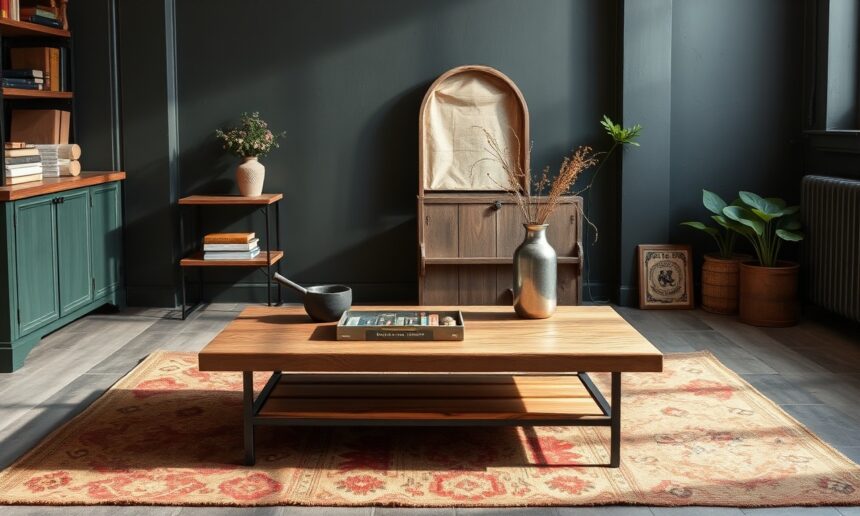
Few design elements possess the raw, unapologetic character of an industrial coffee table. Born from the utilitarian aesthetics of factories, warehouses, and workshops, these pieces are not merely furniture; they are statements. They speak of resilience, history, and a deliberate rejection of fleeting trends in favor of enduring, robust design. In a world increasingly drawn to minimalism and curated perfection, the industrial coffee table offers a refreshing counterpoint, embracing imperfections and celebrating materials in their most honest forms. It’s the anchor that grounds a space, imbuing it with a sense of authenticity that resonates deeply with those seeking a loft-inspired ambiance.
- Industrial Coffee: The Foundation of Loft Living
- Defining the Industrial Coffee Table: Materials and Design Elements
- Crafting the Perfect Loft Vibe with Your Industrial Coffee Table
- Choosing the Right Industrial Coffee Table for Your Space
- Maintaining Your Industrial Coffee Table
- Frequently Asked Questions
- What makes an industrial coffee table ideal for a loft space?
- Are industrial coffee tables difficult to maintain?
- Can an industrial coffee table fit into a non-loft setting?
- What types of sofas pair best with an industrial coffee table?
- Where can I find authentic industrial coffee tables?
- Final Recommendations for Your Loft Aesthetic
Wikipedia: Contents — Wikipedia
Research suggests a significant increase in consumer interest for “raw materials” and “vintage-inspired” home decor over the past five years, a trend directly fueled by the burgeoning popularity of industrial design principles.
Industrial coffee tables are more than just surfaces; they are the narrative anchors of a loft-inspired space, weaving tales of raw materials and enduring character.
This surge in appreciation isn’t accidental. It reflects a broader societal shift towards valuing craftsmanship, durability, and a connection to the past. The industrial coffee table, with its inherent blend of rough-hewn wood, sturdy metal, and often exposed hardware, embodies these values. It’s a piece that doesn’t shy away from its origins, instead, it proudly displays them. This unpretentious honesty is precisely what makes it so appealing for creating that coveted loft vibe – a style that champions openness, light, and a sophisticated blend of the raw and the refined.
The Allure of the Industrial Aesthetic
The industrial aesthetic, at its core, is about embracing the functional and the found. It draws inspiration from the mid-20th century when factories began to be repurposed as living and working spaces. Exposed brick walls, concrete floors, high ceilings, and large windows are hallmarks of this style. Within this architectural canvas, the industrial coffee table serves as a crucial element, bridging the gap between the raw structural elements and the more comfortable, lived-in aspects of a home. Its materials – typically reclaimed wood, cast iron, steel, and even concrete – are chosen for their durability and inherent visual appeal.
These aren’t materials designed to be hidden; they are meant to be seen, celebrated, and to age gracefully, acquiring a patina that tells a story.
The appeal of industrial design lies in its democratic nature. It’s a style that feels accessible, unpretentious, and adaptable. Unlike some more ornate styles, industrial pieces often have a timeless quality, meaning they can be integrated into various decor schemes without feeling out of place. This versatility makes the industrial coffee table a wise investment for anyone looking to cultivate a specific, yet enduring, aesthetic.
Defining the Industrial Coffee Table: Materials and Design Elements
The defining characteristics of an industrial coffee table are its robust materials and functional, often unadorned, design. The interplay between different textures and finishes is paramount, creating a visual and tactile experience that is both grounding and engaging.
Key Materials That Define the Vibe
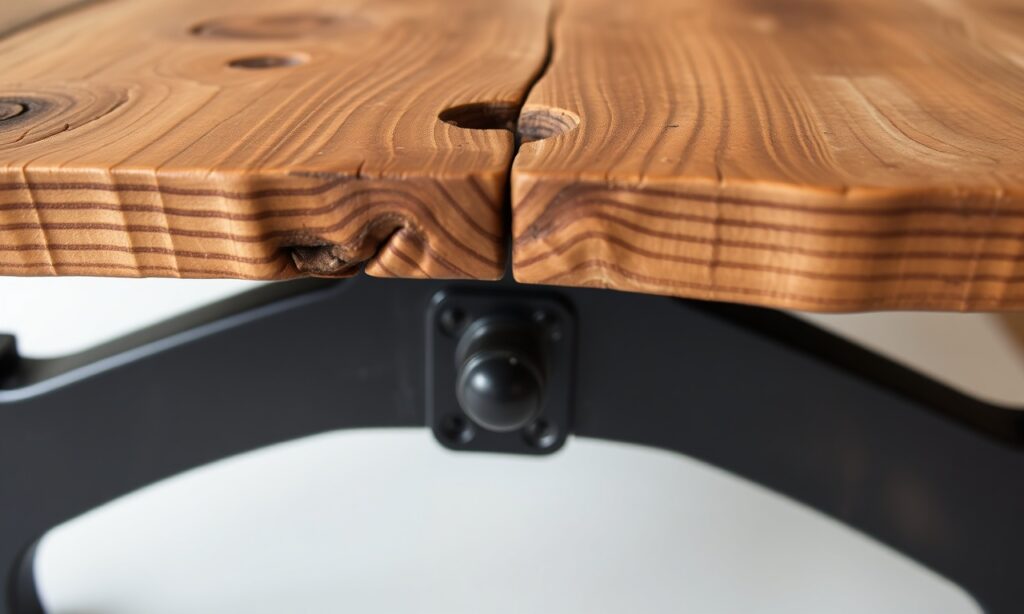
- Reclaimed Wood: This is arguably the most iconic material for industrial coffee tables. Sourced from old barns, factories, or discarded furniture, reclaimed wood possesses a rich history. Its imperfections – knots, nail holes, saw marks, and variations in color – are not flaws but features that add character and depth. The wood is often left with a natural or lightly sealed finish to preserve its rustic charm.
- Metal (Steel, Iron, Aluminum): Metal components are essential for providing structure and an industrial edge. This can range from chunky, cast iron legs and frames to sleek, brushed steel accents. The finish is typically matte black, raw steel, or a brushed silver, designed to complement the wood rather than compete with it. Exposed welding marks or bolts can further enhance the aesthetic.
- Concrete: Increasingly popular, concrete offers a raw, monolithic appeal. Industrial coffee tables with concrete tops provide a substantial and modern yet rugged feel. They are often paired with metal bases to balance the weight and visual density.
- Glass (Used Sparingly): While less common as a primary material, tempered glass can sometimes be incorporated as a shelf or a partial tabletop, offering a touch of modernity and allowing the underlying metal or wood structure to remain visible.
Design Principles in Play
- Simplicity and Functionality: Industrial coffee tables prioritize utility. Their designs are typically straightforward, focusing on providing a stable surface for drinks, books, or decorative items.
- Exposed Construction: Elements that are often hidden in other furniture styles – such as bolts, rivets, welds, and structural supports – are proudly displayed in industrial designs. This transparency in construction is a hallmark of the aesthetic.
- Robust Scale: These tables tend to be substantial. They are not delicate or petite; they are built to last and to command a presence in a room. The scale is crucial for balancing with other elements in a loft space, such as large sofas and architectural features.
- Vintage or Distressed Finishes: Many industrial coffee tables are designed to look aged, even when new. This is achieved through deliberate distressing techniques on wood or metal, creating an instant sense of history and character.
Crafting the Perfect Loft Vibe with Your Industrial Coffee Table
Achieving the quintessential loft vibe is about more than just placing an industrial coffee table in a room; it’s about integrating it seamlessly into a curated environment. The table becomes the focal point, around which other design elements are arranged to create a harmonious, albeit characterful, space.
Placement and Proportions
The placement of your industrial coffee table is critical. In open-plan loft spaces, it acts as a natural divider, defining the living area and creating a distinct zone for relaxation and social interaction. Ensure it’s positioned at a comfortable distance from your sofa – typically 14-18 inches – allowing for easy access without feeling cramped. The scale of the table should also be proportionate to your seating arrangement. A sprawling sectional might require a longer, rectangular table, while a cluster of armchairs could be suited to a square or round option. Consider the overall visual weight of the room; a substantial industrial coffee table can help ground a space that might otherwise feel too airy or unfinished.
Harmonizing with Surrounding Furniture
The beauty of the industrial coffee table lies in its versatility. It pairs exceptionally well with a variety of furniture styles, creating an intriguing juxtaposition. Consider these pairings:
- Modern Sofas: A sleek, contemporary sofa in leather or a neutral fabric can be beautifully contrasted by the raw texture of an industrial coffee table. The table adds warmth and character to an otherwise minimalist seating arrangement.
- Vintage or Mid-Century Pieces: Combining an industrial coffee table with vintage armchairs or a mid-century sideboard creates a dialogue between different eras, amplifying the sense of curated history.
- Raw Materials Elsewhere: Echo the industrial theme by incorporating other raw materials in the room. Think about a reclaimed wood sideboard, metal shelving units, concrete accent decor, or even exposed light fixtures. This repetition of materials creates a cohesive narrative throughout the space.
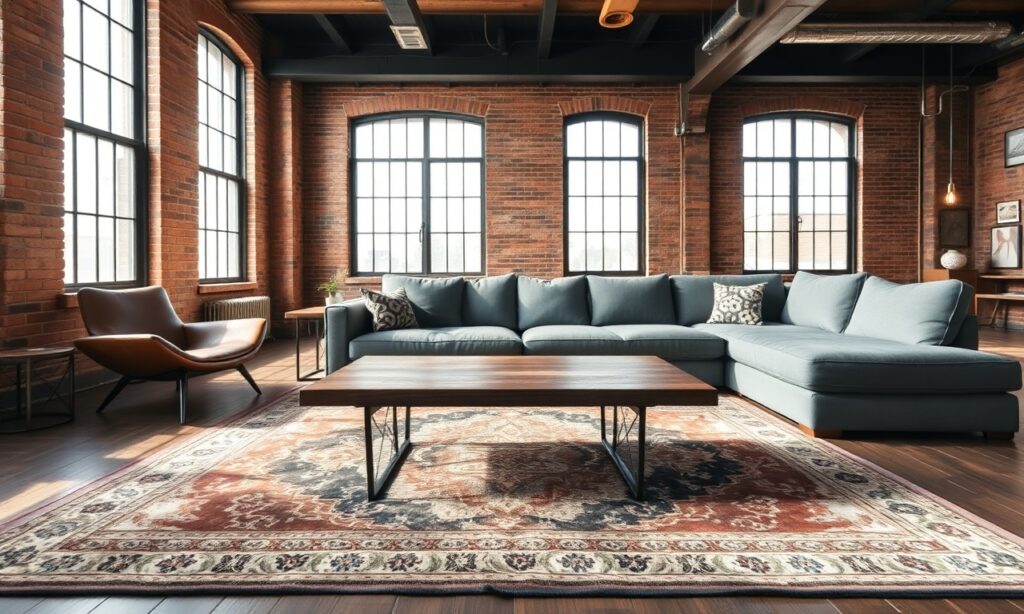
While the industrial aesthetic embraces raw materials, it doesn’t have to feel unfinished or uninviting. The key is to strike a balance between the ruggedness of the industrial coffee table and softer, more refined elements.
- Soft Furnishings: Introduce plush throws, textured cushions, and a comfortable rug to add layers of comfort and visual softness. These elements temper the starkness of the industrial materials.
- Art and Decor: Curate artwork that complements the industrial theme, perhaps abstract pieces, black and white photography, or even vintage maps. Decorative items like ceramic vases, metallic accents, or carefully chosen books can add personality and a touch of sophistication.
- Lighting: The right lighting is crucial for transforming a raw space into a cozy haven. Industrial pendant lights, Edison bulbs, and adjustable floor lamps can create warm pools of light that highlight the textures of the coffee table and surrounding furniture.
Choosing the Right Industrial Coffee Table for Your Space
With a diverse range of styles and materials available, selecting the perfect industrial coffee table requires careful consideration of your specific needs and aesthetic preferences.
Understanding Different Styles
- The Utilitarian Classic: These tables often feature a simple wooden top (often solid planks) and a sturdy, no-nonsense metal base – think hairpin legs or a welded frame. They are the epitome of functional design.
- The Rustic Reclaimed: Emphasizing the beauty of salvaged materials, these tables might have a more irregular shape, visible nail heads, and a pronounced patina on the wood. They exude a strong sense of history.
- The Modern Industrial: This style blends industrial elements with cleaner lines and more refined finishes. You might see polished concrete tops, brushed steel frames, or a more geometric design.
- The Multi-Material Fusion: Some tables creatively combine different industrial materials, such as a wood and metal combination with integrated glass shelves or a concrete top with a reclaimed wood apron.
Size and Shape Considerations
- Rectangular: The most common shape, ideal for larger living areas and seating arrangements that are primarily linear. They offer ample surface area.
- Square: Works well in more intimate seating arrangements or when placed in front of a sectional sofa. They can create a cozy focal point.
- Round or Oval: While less common in pure industrial design, a round or oval industrial coffee table can soften a space and encourage conversation. They are particularly useful in smaller areas where sharp corners might be an impediment.
Functionality and Storage
Beyond aesthetics, consider the practical aspects. Do you need storage? Some industrial coffee tables incorporate drawers, shelves, or even lift-top mechanisms for hidden storage. This can be invaluable in loft apartments where space can be at a premium. Think about how you use your coffee table. Will it primarily be a surface for drinks and decor, or will it also host board games, laptops, or serve as an impromptu dining surface?
A study published in a leading interior design journal highlighted that consumers increasingly seek furniture that offers both aesthetic appeal and practical utility, with storage solutions being a key consideration for smaller urban dwellings. This trend directly impacts the popularity of industrial coffee tables that offer built-in functionality.
Maintaining Your Industrial Coffee Table
Caring for an industrial coffee table ensures its longevity and preserves its character. The approach will vary slightly depending on the primary materials used.
Wood Care
- Cleaning: Dust regularly with a soft, dry cloth. For spills, wipe immediately with a slightly damp cloth and dry thoroughly. Avoid harsh chemicals or abrasive cleaners, which can damage the finish or the wood itself.
- Protection: If the wood is unfinished or lightly sealed, consider applying a food-grade wax or a clear matte sealant periodically to protect against moisture and stains. This will help maintain its appearance without making it look overly glossy.
- Avoiding Damage: Use coasters religiously for drinks, and trivets for hot items. Prolonged exposure to direct sunlight can cause wood to fade or crack.
Metal Care
- Cleaning: Wipe metal components with a soft, damp cloth. For tougher grime, a mild soap solution can be used, followed by immediate drying.
- Rust Prevention: If your metal components are raw or have a natural finish, they may be prone to rust over time, especially in humid environments. A light application of a metal polish or a clear protective spray designed for metal can help prevent this. Minor rust spots can often be removed with fine-grade steel wool, followed by a protective coating.
- Scratch Prevention: Be mindful of sharp objects that could scratch the metal finish.
- Sealing: Most concrete tabletops are sealed to protect against stains and moisture. Reapply sealant periodically as recommended by the manufacturer.
- Cleaning: Use a mild, pH-neutral cleaner. Avoid acidic or alkaline cleaners, which can etch the concrete. Wipe up spills immediately.
- Scratch and Chip Prevention: While durable, concrete can chip or scratch if subjected to heavy impact. Use placemats and be careful when moving heavy objects across its surface.
Frequently Asked Questions
What makes an industrial coffee table ideal for a loft space?
The industrial coffee table’s inherent characteristics – its use of raw, robust materials like reclaimed wood, metal, and concrete, and its often unpretentious, functional design – perfectly echo the architectural elements and ethos of loft living. It brings a sense of history, durability, and an honest, unpolished aesthetic that complements exposed brick, high ceilings, and open-plan layouts, creating an authentic and lived-in atmosphere.
Are industrial coffee tables difficult to maintain?
Generally, no. While they are made of robust materials, they do require basic care. Wood components benefit from regular dusting and prompt spill cleanup, with occasional sealing or waxing to preserve their finish. Metal parts typically require simple wiping, with precautions against rust if they are raw or unfinished. Concrete requires sealing and gentle cleaning. The key is understanding the specific materials and following simple maintenance routines to ensure longevity and preserve their aesthetic appeal.
Can an industrial coffee table fit into a non-loft setting?
Absolutely. Industrial coffee tables are highly versatile and can bring a unique character to various interior styles. They can add a grounding, rustic element to a modern living room, provide a striking contrast to a more traditional decor, or blend seamlessly into a contemporary farmhouse aesthetic. Their robust nature and timeless design make them a statement piece that can elevate many different types of spaces.
What types of sofas pair best with an industrial coffee table?
Industrial coffee tables pair exceptionally well with a wide range of sofas. Modern sofas in leather or neutral fabrics offer a sleek contrast that highlights the table’s texture. Deeper, more comfortable sofas in natural fabrics like linen or wool can create a cozy, inviting atmosphere. Even vintage or mid-century modern sofas can create an interesting dialogue with an industrial table, blending different eras for a curated look. The key is to ensure the scale and proportions are balanced within the room.
Where can I find authentic industrial coffee tables?
Authentic industrial coffee tables can be found through various channels. Specialty furniture stores focusing on industrial or reclaimed materials are a primary source. Online marketplaces, antique shops, and architectural salvage yards are also excellent places to discover unique, characterful pieces, especially those made from genuinely reclaimed materials. Many custom furniture makers also specialize in creating industrial-style tables to specific dimensions and material preferences.
Final Recommendations for Your Loft Aesthetic
The industrial coffee table is more than just a piece of furniture; it’s a gateway to embodying the authentic loft lifestyle. By understanding its origins, appreciating its materials, and integrating it thoughtfully into your space, you can create an environment that is both stylish and deeply personal. Remember that the imperfections are its strengths, the materials tell its story, and its presence anchors the entire aesthetic.
When selecting your table, trust your instincts. Choose a piece that resonates with you, that feels substantial and well-made, and that you can envision becoming a central part of your home’s narrative. Don’t be afraid to mix and match materials and styles to create a look that is uniquely yours. The loft vibe is about embracing character, celebrating history, and living in a space that feels both refined and unapologetically real. Your industrial coffee table is the cornerstone of this vision.
See also: Industrial Coffee