

The Enduring Allure of Exposed Brick in Modern Living Spaces
Exposed brick, often perceived as a relic of industrial past or rustic farmhouse aesthetics, has unequivocally transcended its origins to become a cornerstone of sophisticated, contemporary interior design. Far from being a mere stylistic choice, the integration of exposed brick walls into a living room is a profound statement of character, imbuing a space with an inimitable warmth, textural richness, and a palpable sense of history. It’s a design element that, when handled with professional insight, can elevate a standard room into a sanctuary of enduring beauty and unparalleled ambiance. Many homeowners mistakenly believe exposed brick is an “all or nothing” proposition, limited to loft conversions or heritage homes.
- The Enduring Allure of Exposed Brick in Modern Living Spaces
- Unveiling the Architectural Significance of Exposed Brick
- Strategic Placement: Where to Unleash the Power of Exposed Brick
- Harmonizing Exposed Brick with Complementary Materials and Colors
- Expert Tips for Maintaining and Enhancing Exposed Brick
- Addressing Potential Challenges: The Nuances of Exposed Brick
- Exposed Brick Living Room: A Case Study in Timeless Elegance
- Frequently Asked Questions
Wikipedia: Contents — Wikipedia
The reality, however, is that its versatility allows for smoothly connect into virtually any architectural style, from minimalist modern to eclectic bohemian, provided the approach is considered and intentional.
The true magic of exposed brick lies not just in its visual appeal, but in its ability to tell a story, connecting us to the past while anchoring us firmly in the present.
The tactile quality of brick, with its subtle variations in color, texture, and imperfections, provides a captivating counterpoint to smoother, more contemporary materials. This inherent contrast creates visual interest and depth, preventing a room from feeling flat or monotonous. Research suggests this material ages gracefully, developing a patina over time that only enhances its character, a stark departure from many synthetic finishes that can appear dated or worn. This article will explore the nuanced considerations and expert strategies required to harness the full potential of exposed brick, transforming your living room into a space that is both aesthetically captivating and deeply personal.
Exposed brick living rooms offer a unique blend of historical depth and contemporary chic, proving that timeless design elements can profoundly influence modern aesthetics.
Unveiling the Architectural Significance of Exposed Brick
Historically, exposed brick was a pragmatic construction choice, valued for its durability and readily available nature. However, as architectural styles evolved, the aesthetic potential of leaving brickwork visible began to be appreciated. In the late 19th and early 20th centuries, industrial buildings, factories, and warehouses often featured exposed brick, proof of their functional origins. When these structures were later repurposed for residential or commercial use, this raw, unadorned brick became an intrinsic part of their charm, inadvertently defining the aesthetic of loft living and industrial-chic design. This transition from utilitarian necessity to deliberate design feature underscores the material’s inherent adaptability and enduring appeal.
Experts note that the widespread use of brick, particularly in urban environments, solidified its presence in the collective visual memory, making its re-emergence in contemporary design feel both familiar and exciting.
The texture and color palette of exposed brick are remarkably diverse, influenced by the type of clay, the firing process, and the regional sourcing of materials. From the deep, rich reds of classic Chicago brick to the softer, earthier tones of reclaimed barn brick, each variety offers a distinct personality. This inherent variation is not a flaw but a feature, providing designers with a nuanced palette to work with. Understanding these differences is the first step towards selecting brick that complements the overall design vision for the living room, ensuring a cohesive and intentional aesthetic.
Strategic Placement: Where to Unleash the Power of Exposed Brick
The decision of where to introduce exposed brick within a living room is as critical as the material itself. A single accent wall can provide a dramatic focal point without overwhelming the space, particularly in smaller rooms or those with a more minimalist inclination. This approach allows the brick to command attention without dominating the entire visual field. Conversely, multiple brick walls, or even a full room envelopment, can create an immersive, enveloping atmosphere, best suited for larger spaces or designs that embrace a more robust, industrial, or bohemian vibe. The key is to consider the room’s proportions, existing architectural features, and the desired mood.
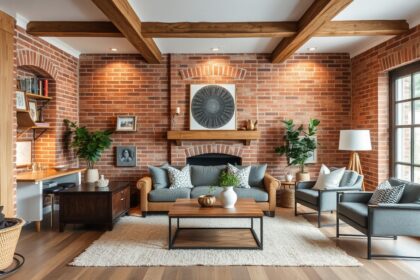
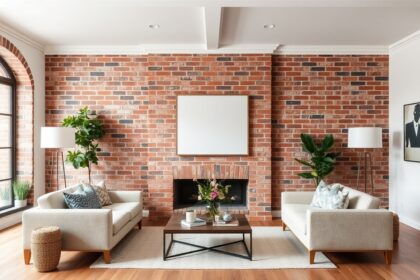
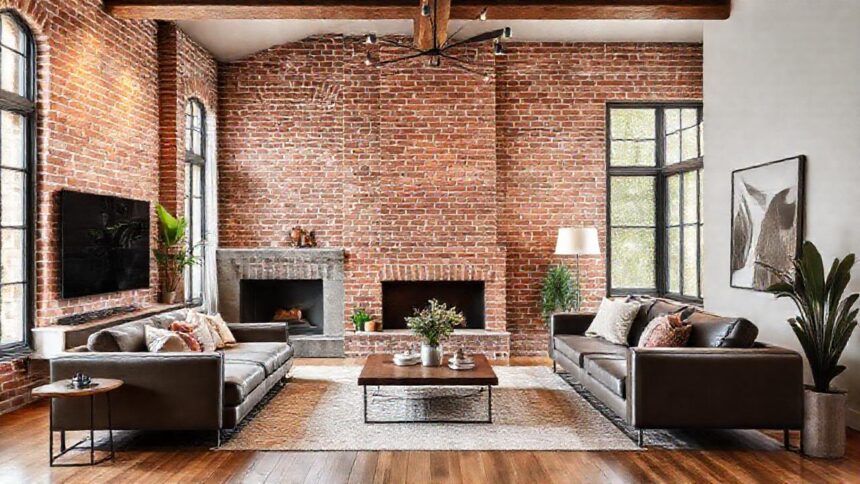
For instance, a fireplace wall clad in exposed brick instantly anchors the living room, creating a warm and inviting hearth. This is a classic application that leverages the material’s inherent warmth and texture to enhance the feeling of comfort and gathering. Alternatively, a brick wall behind a television or a prominent piece of art can add depth and character, transforming a functional area into a curated display. The play of light on the brick’s uneven surface is also a significant design consideration. Strategic lighting can highlight the texture, cast intriguing shadows, and further enhance the material’s visual dynamism.
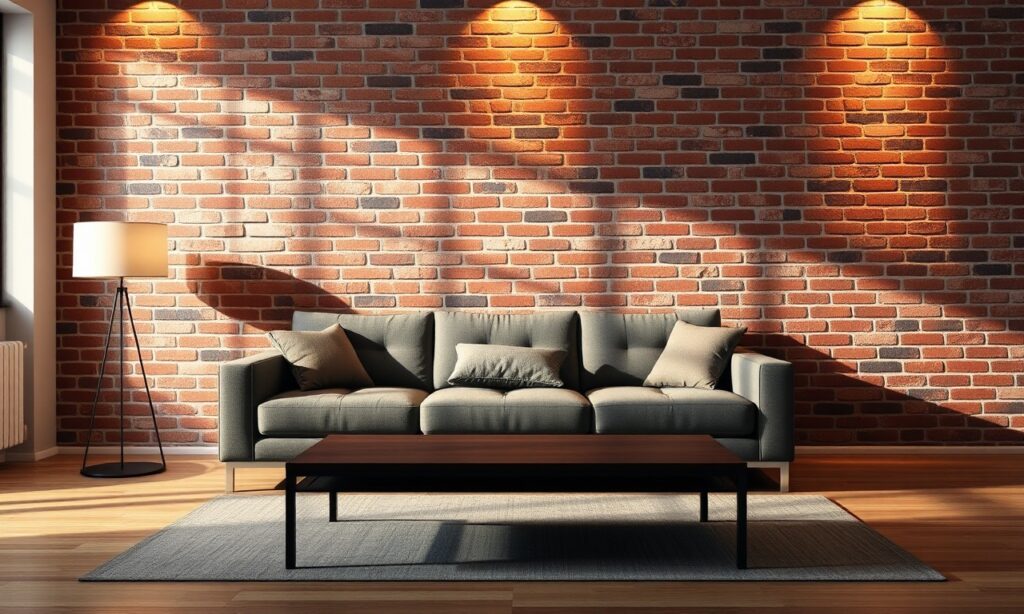
Consider the existing architecture of your home. If you have a period property, embracing original brickwork, perhaps after careful restoration, is a natural and highly authentic choice. In newer constructions, introducing a feature wall of brick can lend an immediate sense of history and permanence. The goal is always to make the brick feel like an integral part of the design, not an afterthought.
Harmonizing Exposed Brick with Complementary Materials and Colors
The true genius of exposed brick design lies in its masterful juxtaposition with other materials and a thoughtful color palette. While brick provides a strong textural and historical anchor, its surrounding elements must be chosen to either complement or provide a striking contrast. For a modern, sophisticated look, pairing exposed brick with sleek metals like brushed nickel or matte black, alongside glass and polished concrete, creates a dynamic tension. This combination speaks to a refined industrial aesthetic, where raw texture meets modern refinement. The inherent warmth of the brick is balanced by the cool, clean lines of these contemporary materials.
Exposed brick acts as a magnificent neutralizer, capable of grounding a room filled with vibrant colors or softening the austerity of minimalist palettes.
When it comes to color, the possibilities are vast. For a timeless appeal, neutral tones like crisp whites, soft greys, and deep charcoals provide a sophisticated backdrop that allows the brick’s natural hues to shine. White walls, in particular, create a striking contrast, making the brick appear richer and more prominent. This is a strategy often employed in Scandinavian-inspired interiors where the starkness of white is beautifully tempered by the warmth of exposed brick. Conversely, for a bolder statement, consider deep, saturated colors such as navy blue, emerald green, or even a rich burgundy. These hues can create a dramatic, enveloping atmosphere, turning the living room into a jewel box of texture and color.
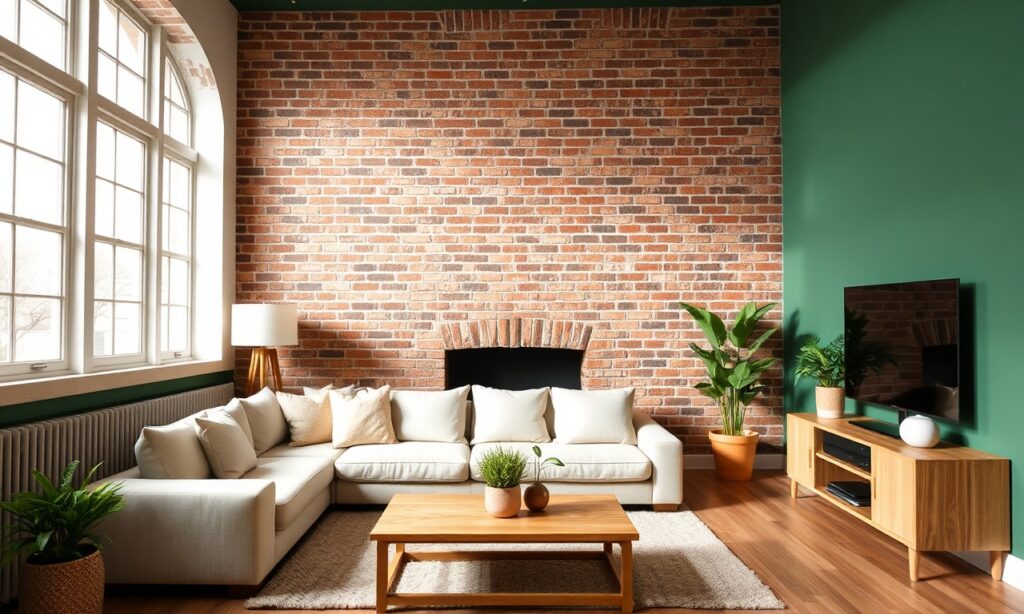
The choice of flooring is equally important. Natural wood floors, whether wide-plank oak or reclaimed timber, echo the warmth and organic nature of brick. Alternatively, large-format tiles in concrete or stone finishes can reinforce a more contemporary or industrial feel. The aim is to create a cohesive narrative where each material contributes to the overall sensory experience of the room.
Expert Tips for Maintaining and Enhancing Exposed Brick
Caring for exposed brick is often simpler than many homeowners imagine, but it requires a discerning approach to preserve its character. The primary concern is often dust and dirt accumulation, which can dull the brick’s appearance. Regular, gentle dusting with a soft brush or a vacuum cleaner attachment is usually sufficient for routine maintenance. For more stubborn marks or grime, a slightly damp cloth can be used, but it’s crucial to avoid excessive moisture, which can damage the mortar or lead to efflorescence (white, powdery deposits). Always test any cleaning solution on an inconspicuous area first.
Sealing exposed brick is a debated topic. In some cases, a breathable sealant can protect the brick from stains and moisture ingress, particularly in high-traffic areas or rooms prone to humidity, like a living room adjacent to an open-plan kitchen. However, sealants can also alter the brick’s natural appearance, sometimes making it appear darker or shinier, which may not align with the desired aesthetic. If sealing, opt for a matte, water-based penetrating sealer that allows the brick to breathe. The decision to seal should be based on the specific type of brick, its condition, and the environmental factors of the room.
Enhancing the brick’s natural beauty can be achieved through strategic lighting. Uplighting from the floor can accentuate the texture and depth, creating dramatic shadows. Wall-mounted sconces can provide ambient light that highlights the brick’s color variations. When selecting artificial lighting, opt for warm-toned bulbs (around 2700K) to complement the brick’s natural warmth.
Addressing Potential Challenges: The Nuances of Exposed Brick
While the aesthetic benefits of exposed brick are undeniable, it’s essential to be aware of potential challenges and address them proactively. One common concern is insulation. Brick walls, especially older ones, can be less effective at retaining heat than modern insulated walls. In cooler climates, this can lead to higher heating bills and a cooler living space. Solutions may include adding a layer of rigid foam insulation behind a new stud wall built in front of the brick, or using specialized interior insulation systems. However, any such intervention must be carefully planned to avoid trapping moisture, which can cause significant structural damage.
Another consideration is moisture management. Brick is porous and can absorb moisture from both inside and outside the home. In older homes, poor exterior drainage or damaged gutters can lead to water seeping into the brickwork, causing efflorescence, spalling (the surface flaking off), and potentially structural issues. It’s vital to ensure the exterior of the building is well-maintained, with proper drainage and waterproofing.
Sound transmission can also be a factor. While brick offers some sound dampening, it’s not a complete solution. If soundproofing is a major concern, consider adding acoustic insulation panels discreetly in front of the brick wall or incorporating sound-absorbing furnishings and textiles within the room.
Exposed Brick Living Room: A Case Study in Timeless Elegance
Consider the transformation of a historic Brooklyn loft, once a manufacturing space, into a luxurious residence. The designers chose to preserve the original, time-worn brick walls throughout the living area, celebrating their imperfections as part of the building’s narrative. To balance the raw texture and prevent the space from feeling too industrial, they introduced a plush, velvet sectional in a deep sapphire blue, a rich counterpoint to the earthy tones of the brick. The flooring was a wide-plank, reclaimed oak, adding further warmth and a sense of history. Lighting was carefully considered, with strategically placed floor lamps and recessed ceiling lights casting a warm glow that highlighted the brick’s varied textures and the subtle variations in mortar.
A large, contemporary abstract artwork with bold strokes of crimson and gold was hung on one of the brick walls, creating a striking dialogue between the historic material and modern art. This case study exemplifies how exposed brick, when integrated thoughtfully with complementary materials, colors, and carefully curated furnishings, can create a living room that is both deeply characterful and exceptionally stylish, appealing to a discerning audience that appreciates authenticity and sophisticated design.
Frequently Asked Questions
Can exposed brick walls be used in any type of home?
Absolutely. While often associated with industrial lofts or historic properties, exposed brick can be incorporated into virtually any architectural style. In modern homes, a single accent wall can introduce warmth and texture without disrupting a clean, minimalist aesthetic. In traditional homes, it can add character and a sense of history. The key is thoughtful integration that complements the existing architecture and the homeowner’s personal style.
How do I clean and maintain my exposed brick living room walls?
Routine cleaning involves gentle dusting with a soft brush or a vacuum cleaner with a brush attachment to remove surface dust. For more stubborn dirt, use a slightly damp cloth. Avoid excessive moisture and harsh chemicals, which can damage the brick and mortar. For deep cleaning, consider specialized, pH-neutral brick cleaners, always testing in an inconspicuous area first.
Is exposed brick good for insulation?
Generally, exposed brick walls offer less insulation than modern, well-insulated walls. They can be a significant factor in heat loss during colder months. If insulation is a concern, consider adding a layer of interior insulation, such as rigid foam, behind a new stud wall, or using specialized interior insulation systems. It’s crucial to address any moisture issues before undertaking insulation work.
What colors work best with exposed brick in a living room?
The beauty of exposed brick is its versatility. For a sophisticated look, neutral colors like white, grey, and charcoal create a stunning contrast. For a bolder statement, deep jewel tones such as navy, emerald, or burgundy can create a dramatic and luxurious atmosphere. Earthy tones and natural wood finishes also harmonize beautifully with the inherent warmth of brick.
Should I seal my exposed brick walls?
The decision to seal exposed brick is often a personal aesthetic choice influenced by practical considerations. Sealing can offer protection against stains and moisture, particularly in high-traffic areas or humid environments. However, sealants can alter the brick’s natural appearance, potentially making it look darker or shinier. If you choose to seal, opt for a breathable, matte, water-based penetrating sealer. Always test on an inconspicuous area first.
See also: Exposed Brick