


The Enduring Allure of Rustic Coffee Tables
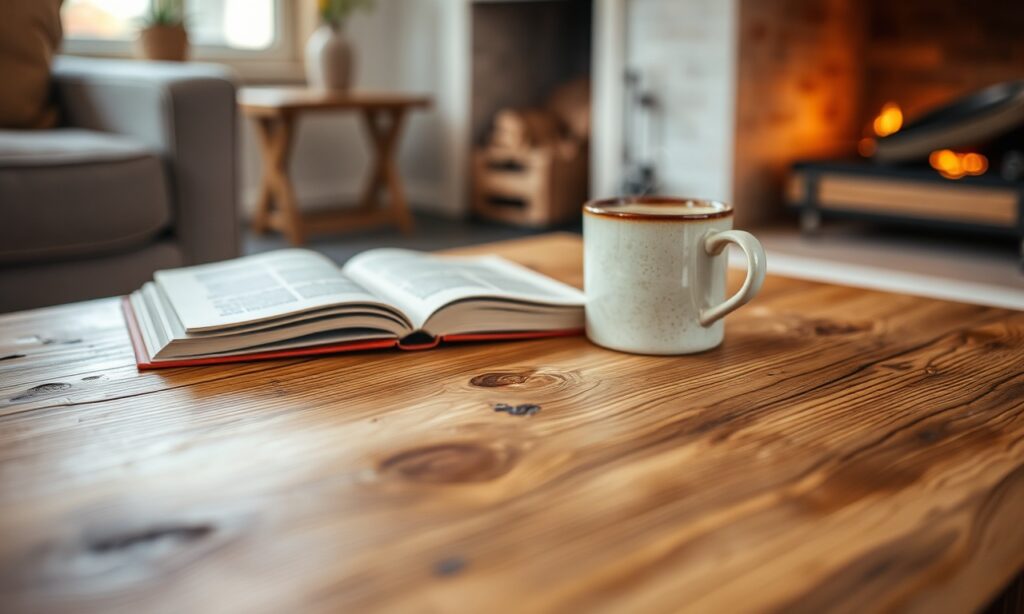
The living room, more than any other space in a home, serves as the nexus of comfort, conversation, and shared moments. At its heart, often anchoring this central hub, sits the coffee table. While modern design trends ebb and flow, there’s an undeniable, enduring appeal to the rustic coffee table. It’s more than just a piece of furniture; it’s a statement of warmth, a nod to tradition, and an invitation to slow down. Imagine a crisp autumn evening, the fire crackling, a warm mug cradled in your hands, and a beautifully weathered rustic coffee table holding your book and a steaming beverage. This isn’t merely an aesthetic; it’s an experience.
- The Enduring Allure of Rustic Coffee Tables
- Defining Rustic: More Than Just Wood and Weathering
- Field-Proven Rustic Styles: A Spectrum of Cozy
- Farmhouse Rustic: Simplicity and Warmth
- Industrial Rustic: Rugged Elegance
- Modern Rustic: Refined Naturalism
- Shabby Chic Rustic: Vintage Charm and Softness
- Material Mastery: The Foundation of Rustic Charm
- Functionality and Form: Designing Your Cozy Core
- Size and Scale: Finding the Right Fit
- Storage Solutions: Practicality in Rustic Form
- Durability and Maintenance: A Rustic Promise
- Frequently Asked Questions
- What makes a coffee table “rustic”?
- How do I choose the right size rustic coffee table for my living room?
- Are rustic coffee tables difficult to maintain?
- What are the most popular materials for rustic coffee tables?
- How can I make my rustic coffee table feel even cozier?
- Final Recommendations for Cultivating Your Cozy Hearth
Wikipedia: Contents — Wikipedia
This piece, often crafted from natural materials with a lived-in feel, possesses a unique ability to ground a space, lending it an almost tangible sense of history and comfort. But what truly defines a rustic coffee table, and how can one select the perfect piece to evoke that coveted cozy hearth atmosphere?
Rustic coffee tables aren’t just furniture; they are the warm embrace of home, grounding your living space with timeless charm and inviting connection.
Key Takeaways
- Material Matters: Solid wood, reclaimed lumber, and natural stone are hallmarks of rustic design, offering durability and character.
- Style Spectrum: From farmhouse chic to industrial grit, rustic coffee tables encompass a wide range of aesthetics.
- Functionality Meets Form: Consider storage needs, size, and height to ensure your table is both beautiful and practical.
- The Cozy Factor: Natural textures, warm tones, and a sense of history are key to achieving that inviting hearth-like feel.
Defining Rustic: More Than Just Wood and Weathering
The term “rustic” often conjures images of log cabins and weathered barns, and while those elements are certainly part of the aesthetic, the definition is broader and more nuanced. At its core, rustic design celebrates natural elements, imperfections, and a sense of history. A rustic coffee table embraces this philosophy, often featuring materials that showcase their origins. Think solid wood planks with visible grain patterns, knots, and even minor imperfections that tell a story. Reclaimed wood, salvaged from old barns or factories, is a particularly popular choice, imbuing the piece with a unique past and a reduced environmental footprint.
Beyond wood, other natural materials contribute to the rustic aesthetic. Stone, particularly slate or granite, can offer a cool, grounded counterpoint to warmer wood tones, especially in styles that lean towards a more refined or industrial rustic. Metal accents, such as wrought iron legs or industrial-style hardware, can introduce an element of ruggedness, bridging the gap between rustic and industrial design. The key is authenticity and a celebration of the material’s inherent qualities, rather than striving for a perfectly polished, mass-produced finish. This emphasis on natural beauty and inherent character is what truly sets rustic coffee tables apart and makes them so effective at creating a cozy, inviting atmosphere.
Field-Proven Rustic Styles: A Spectrum of Cozy
The beauty of the rustic aesthetic lies in its versatility. It’s not a monolithic style but rather a spectrum that can be adapted to various tastes and interior designs. Understanding these distinct styles can help you pinpoint the perfect rustic coffee table for your hearth.
Farmhouse Rustic: Simplicity and Warmth
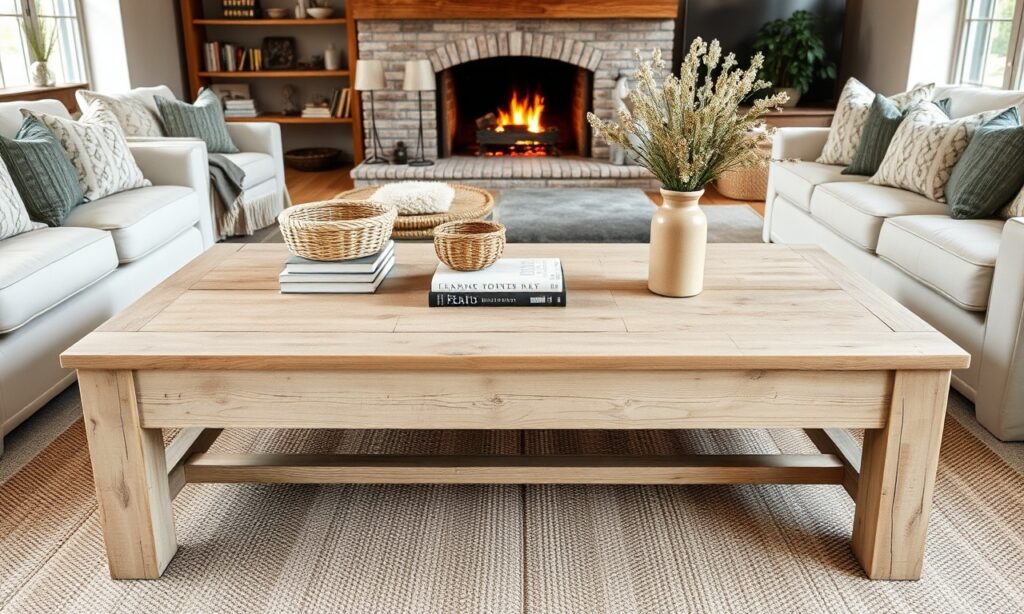
Farmhouse rustic is perhaps the most widely recognized iteration of the style. It evokes the charm of country living, emphasizing comfort, simplicity, and a welcoming atmosphere. These tables are often crafted from solid wood, frequently pine or oak, and may feature a distressed or whitewashed finish. The design is typically straightforward, prioritizing functionality and a sense of enduring quality. Think sturdy construction, perhaps with visible joinery, and a generous surface area ideal for everyday use. The inherent warmth of natural wood, combined with the clean lines and unpretentious nature of farmhouse design, makes these tables exceptionally effective at creating a cozy hearth. They feel lived-in and loved, instantly making a space feel more approachable and comfortable.
Industrial Rustic: Rugged Elegance
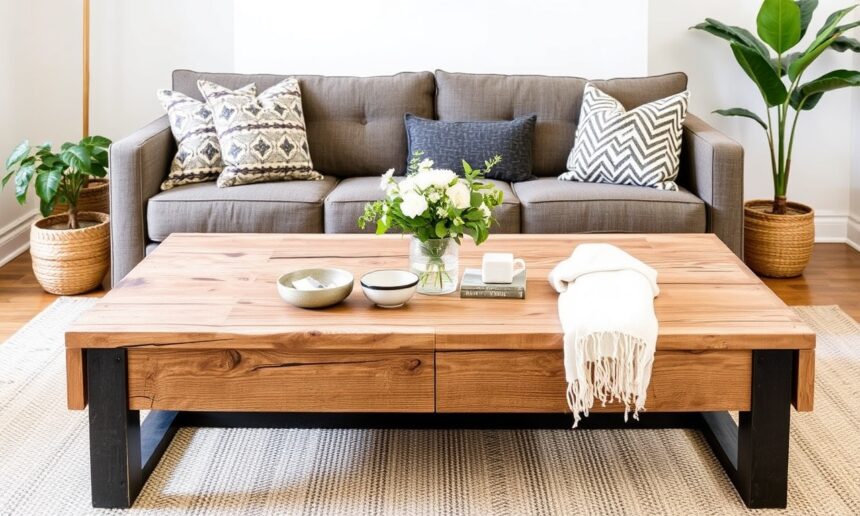
Where farmhouse rustic embraces country charm, industrial rustic injects a dose of urban grit and rugged elegance. This style often combines natural wood elements, such as thick, rough-hewn planks, with metal accents like cast iron or steel. The contrast between the raw, organic texture of the wood and the sleek, manufactured feel of the metal creates a dynamic and visually interesting piece. Industrial rustic coffee tables might feature exposed bolts, pipe-like legs, or a combination of wood and metal drawers. This style is perfect for spaces that embrace a more modern or eclectic aesthetic but still crave the warmth and character that rustic elements provide.
The inherent strength and durability of the materials used in industrial rustic pieces also contribute to their appeal, suggesting a table built to last through generations.
Modern Rustic: Refined Naturalism
Modern rustic bridges the gap between contemporary clean lines and the organic warmth of rustic design. This style retains the focus on natural materials like wood and stone but presents them in a more refined and streamlined manner. Think a solid wood tabletop with a smooth, natural finish, paired with minimalist metal legs or a sleek, uncluttered base. The imperfections of natural materials are often embraced, but in a controlled, curated way. The overall effect is sophisticated yet inviting, offering a touch of natural beauty without overwhelming the space. Modern rustic coffee tables are ideal for those who appreciate the comfort and character of rustic design but prefer a more polished and contemporary look.
This style demonstrates that rustic can indeed be elegant.
Shabby Chic Rustic: Vintage Charm and Softness
Shabby chic rustic leans into the romance of vintage finds and a softer, more feminine interpretation of rustic style. These tables often feature distressed finishes, perhaps in muted pastel colors or soft whites, and may incorporate elements like delicate carving or antique-inspired hardware. The emphasis is on a gently worn, well-loved aesthetic that evokes a sense of nostalgia and comfort. While sometimes perceived as more delicate, a well-constructed shabby chic rustic coffee table can still provide a substantial anchor for a living space. Its charm lies in its imperfections and the stories it seems to whisper, contributing to an atmosphere of relaxed elegance and cozy repose.
Material Mastery: The Foundation of Rustic Charm
The materials used in a rustic coffee table are paramount to its authenticity and enduring appeal. They are the silent storytellers, whispering tales of their origin and lending a tangible sense of character to your living space.
Solid Wood: The Timeless Classic
Solid wood remains the undisputed champion of rustic coffee tables. Its natural beauty, inherent strength, and versatility make it an ideal choice.
- Oak: Renowned for its durability and prominent grain patterns, oak offers a classic rustic feel. It can be finished in various ways, from a natural, honeyed tone to a darker stain, adapting to different rustic sub-styles.
- Pine: Often more affordable than oak, pine is a softer wood that readily accepts distressing and finishes, making it a favorite for farmhouse and shabby chic styles. Its knots and grain can add significant character.
- Walnut and Mahogany: For a more refined, darker rustic aesthetic, walnut and mahogany offer a luxurious depth and rich color. They can lend a sophisticated edge to a rustic piece.
- Cedar and Pine (Reclaimed): The use of reclaimed wood, such as aged cedar or pine from old barns, is highly sought after. Each piece of reclaimed lumber carries its own history, with unique nail holes, saw marks, and patinas that are impossible to replicate.
The inherent warmth and natural variations in wood grain are crucial elements that contribute to the cozy hearth feel. Research indicates that exposure to natural materials can positively impact well-being, and this principle extends to the furniture we choose. Studies suggest that incorporating natural elements into indoor environments can reduce stress and improve mood.
Stone and Metal: Grounding Accents
While wood often takes center stage, stone and metal play vital supporting roles in rustic coffee table design, adding contrast, durability, and a touch of industrial flair.
- Stone (Slate, Granite, Travertine): Stone tabletops offer a cool, grounded contrast to the warmth of wood. Slate, with its natural cleft surface, provides a rugged texture, while granite offers a more polished, durable option. Travertine, with its natural pits and earthy tones, exudes a warm, Mediterranean rustic feel.
- Metal (Iron, Steel, Copper): Metal components, particularly wrought iron or cast iron, are common in industrial rustic designs, providing sturdy legs or framing. Brushed steel or blackened metal can offer a more contemporary rustic appeal. Copper accents, though less common, can add a touch of warmth and vintage charm.
The interplay between wood, stone, and metal allows for a wide range of rustic expressions, from the purely natural to the boldly industrial.
Functionality and Form: Designing Your Cozy Core
A beautiful coffee table is a joy, but a functional one is a necessity. When choosing a rustic coffee table, consider how it will serve your lifestyle and complement your existing space.
Size and Scale: Finding the Right Fit
The dimensions of your coffee table are critical. It should be proportionate to your sofa and the overall room size. A general guideline is that the coffee table should be about two-thirds the length of your sofa. Its height should also be considered; it typically should be the same height as, or no more than an inch or two lower than, the seat of your sofa. An oversized table in a small room can feel imposing, while a table that’s too small can get lost, detracting from the room’s balance. For smaller spaces, consider nesting tables or a more compact design to maintain a sense of openness.
Storage Solutions: Practicality in Rustic Form
Many rustic coffee tables incorporate clever storage solutions that enhance their functionality without compromising their aesthetic.
- Drawers: Built-in drawers are excellent for stashing remotes, coasters, magazines, or small household items, helping to maintain a tidy surface and a clutter-free hearth.
- Shelving: Open shelves beneath the tabletop provide space for decorative items, books, or storage baskets, adding another layer of utility and visual interest.
- Lift-Top Designs: Some rustic coffee tables feature a lift-top mechanism, allowing you to bring the surface closer for dining or working, revealing hidden storage underneath. This is a particularly useful feature for multifunctional living spaces.
These storage features are smoothly connect into rustic designs, often utilizing the same natural materials and construction methods, ensuring they enhance rather than detract from the table’s charm.
Durability and Maintenance: A Rustic Promise
Rustic furniture, particularly when made from solid wood, is often built to last. The inherent strength of materials like oak ensures longevity. However, understanding the maintenance requirements is essential.
- Wood Care: Most rustic wood tables require occasional dusting and wiping with a slightly damp cloth. For distressed or finished surfaces, avoid harsh chemicals. Periodic waxing or oiling may be recommended to maintain the wood’s luster and protection.
- Stone Care: Stone surfaces are generally durable but may require sealing to prevent staining, especially porous materials like travertine. Regular cleaning with mild soap and water is usually sufficient.
- Metal Care: Metal components may need occasional polishing or a light coating of protective wax to prevent rust or tarnish, depending on the finish.
The good news is that the rustic aesthetic often embraces minor wear and tear. Small scratches or dents can become part of the table’s character, rather than a cause for concern. This forgiving nature is part of the appeal for many homeowners seeking a relaxed and low-maintenance approach to their decor.
The appeal of a rustic coffee table lies in its ability to create a focal point that is both aesthetically pleasing and deeply inviting. It’s a piece that encourages gathering, whether for a casual coffee break or a lively evening with friends. The inherent warmth of natural materials, combined with thoughtful design, transforms a simple piece of furniture into the heart of the home. As the living room evolves, the rustic coffee table remains a steadfast symbol of comfort and connection, a proven style for cultivating that cherished cozy hearth.
Frequently Asked Questions
What makes a coffee table “rustic”?
A coffee table is considered “rustic” when it emphasizes natural materials, often with visible grain, knots, and imperfections. Common materials include solid wood (like oak, pine, or reclaimed lumber), stone, and metal. The design typically favors a less polished, more authentic appearance, evoking a sense of nature, history, and comfort, often associated with country or lodge-inspired aesthetics.
How do I choose the right size rustic coffee table for my living room?
Consider the scale of your sofa and room. A general rule is that the coffee table should be about two-thirds the length of your sofa. Its height should ideally match or be slightly lower than your sofa’s seat height. Measure your space carefully to ensure the table doesn’t overwhelm or appear too small, allowing for comfortable passage around it.
Are rustic coffee tables difficult to maintain?
Generally, rustic coffee tables made from solid wood are quite durable and require minimal maintenance. Regular dusting and wiping with a slightly damp cloth are usually sufficient. Finishes may benefit from occasional waxing or oiling. The beauty of rustic design is that minor wear and tear often enhance its character, making it forgiving for everyday use.
What are the most popular materials for rustic coffee tables?
Solid wood is the most prevalent material, including oak, pine, cedar, and reclaimed lumber, celebrated for their natural grain and character. Stone like slate or granite can be used for tabletops, offering a contrasting texture. Metal, such as wrought iron or steel, is often incorporated for legs or framing, particularly in industrial rustic styles.
How can I make my rustic coffee table feel even cozier?
Enhance its coziness by adding elements like a textured tray, a stack of well-loved books, a candle, a small plant, or a cozy throw draped nearby. Natural fibers like jute or wool in rugs and cushions around the table also contribute to a warmer, more inviting atmosphere.
Final Recommendations for Cultivating Your Cozy Hearth
Selecting a rustic coffee table is an investment in the heart of your home. It’s about choosing a piece that not only complements your decor but also enhances the overall atmosphere of warmth and invitation. Prioritize solid, natural materials that speak to you and your desired aesthetic, whether it’s the robust charm of reclaimed oak, the refined elegance of walnut, or the rugged appeal of a wood-and-metal combination.
Consider the practicalities: ensure the size and height are appropriate for your seating and traffic flow, and explore integrated storage solutions if organization is a priority. Remember that the beauty of rustic design lies in its authenticity; embrace the natural imperfections that lend character and history to your chosen piece. By thoughtfully selecting a rustic coffee table, you are not just furnishing a room; you are creating a focal point for connection, comfort, and the enduring allure of a cozy hearth.
See also: Rustic Coffee