

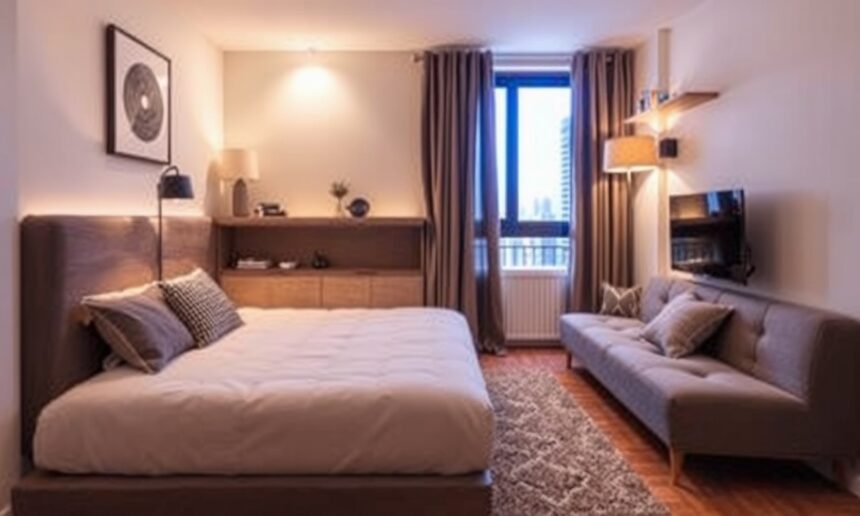
The Microcosm of Modern Living: Studio Apartment Ingenuity
Studio apartment living, once a niche for the ultra-minimalist or the urban student, has rapidly ascended into a mainstream lifestyle choice. This isn’t merely a consequence of rising housing costs, though that is a significant driver; it’s proof of a fundamental shift in how we perceive and utilize living space. Research indicates the average new single-family home in the U.S. has grown considerably over the past few decades, with the median size reaching approximately 2,400 square feet by 2020, a stark contrast to the often less than 500 square feet of a well-designed studio.
- The Microcosm of Modern Living: Studio Apartment Ingenuity
- The Foundational Pillars of Studio Apartment Zoning
- Transformative Zoning Strategies: Creating Distinct Living Areas
- The Essential Role of the Sleeping Zone: Creating Sanctuary
- Optimizing the Living and Lounging Zone: Comfort Meets Functionality
- The Productive Home Office Zone: Maximizing Efficiency in Compact Spaces
- Beyond the Basics: Innovative Zoning Concepts for Studio Apartments
- Key Insights & Takeaways
- Frequently Asked Questions
- Can I truly make a studio apartment feel like a real home?
- What is the most important zone to focus on in a studio apartment?
- How can I create a home office in a studio apartment without it feeling cramped?
- Is it possible to have a distinct dining area in a studio apartment?
- What are some of the best furniture types for studio apartments?
- Final Recommendations for Studio Apartment Mastery
Wikipedia: Contents — Wikipedia
This expansion in traditional homes highlights a divergence: while some seek more space, a growing demographic is proving that a compact, thoughtfully organized studio apartment can offer a profoundly satisfying and highly functional living experience. The true magic of studio apartment living lies not in its diminutive size, but in the masterful application of zoning, transforming a single, open space into distinct, purposeful areas that cater to every facet of modern life – from work and relaxation to dining and sleeping. It’s about creating a sanctuary where every square inch serves a critical function, proof of intelligent design over sheer square footage.
The essence of a well-designed studio apartment lies in its ability to create distinct functional zones within a single, open-plan space, proving that quality of life is not dictated by quantity of space.
The prevailing misconception is that a studio apartment is inherently restrictive, a compromise forced by circumstance. However, seasoned designers and savvy inhabitants understand that this compact canvas presents a unique opportunity for unparalleled creativity and efficiency. The challenge of a studio apartment isn’t its size, but the perception of its limitations. When approached with the right mindset and strategic planning, the open-plan nature of a studio becomes its greatest asset, allowing for fluid transitions and adaptable layouts that can be reconfigured to suit evolving needs. This article explores the essential zoning strategies that elevate a studio apartment from a mere living unit to a dynamic, multi-functional home, examining the principles that underpin effective space utilization and aesthetic coherence.
The Foundational Pillars of Studio Apartment Zoning
Effective zoning in a studio apartment is not an arbitrary arrangement of furniture; it’s a deliberate architectural and design strategy that imbues a singular space with multiple distinct identities. At its core, successful zoning hinges on several foundational pillars, each contributing to the overall functionality and psychological comfort of the inhabitant. These pillars ensure that the limited space feels expansive, organized, and tailored to the individual’s lifestyle. Understanding these principles is the first step towards unlocking the full potential of any studio apartment.
When it comes to Studio Apartment, The primary objective of zoning is to create visual and functional separation without the permanence or cost of constructing walls. This is achieved through a variety of techniques, ranging from the strategic placement of furniture to the use of distinct lighting schemes and flooring materials. The goal is to delineate areas for sleeping, working, dining, and lounging, making each zone feel like a contained, purposeful environment. This separation is crucial for mental well-being; experts note it helps create a sense of order and allows for a clear distinction between different activities, which is particularly important when the bedroom is also the living room and the office.
In the context of Studio Apartment, Another critical pillar is optimizing flow and circulation. While creating distinct zones, it’s imperative that the movement between them remains unimpeded. Clutter and poor furniture arrangement can make a studio feel cramped and disorienting. Therefore, zoning must consider pathways, ensuring that one can move freely from the entrance to the kitchen, bathroom, and sleeping area without obstruction. This often involves selecting furniture with appropriate scale and utilizing vertical space effectively to keep floor areas clear.
Around Studio Apartment, Furthermore, lighting plays an indispensable role in defining zones. Different activities require different lighting conditions. A bright, task-oriented light is essential for a home office, while softer, ambient lighting is ideal for a relaxation or sleeping area. By strategically layering light sources – overhead, task, and accent lighting – one can subtly demarcate different zones and enhance their specific ambiance. This is a powerful tool that requires minimal physical alteration but yields significant results in perceived space and functionality.
Regarding Studio Apartment, Finally, psychological comfort and aesthetic coherence are paramount. While zones are distinct, they must also feel harmonious and connected. The chosen zoning methods should align with the overall design aesthetic of the studio, creating a cohesive and inviting atmosphere. This involves careful consideration of color palettes, materials, and textures that flow seamlessly from one zone to the next, preventing the space from feeling fragmented or jarring. The aim is to create a sanctuary that feels both organized and deeply personal.
Transformative Zoning Strategies: Creating Distinct Living Areas
Once the foundational principles are understood, the real artistry of studio apartment zoning comes to life through a repertoire of transformative strategies. These are the practical applications that breathe life into the concept, turning a single room into a series of interconnected yet distinct living environments. Each strategy offers a unique approach to defining space, catering to different aesthetic preferences and functional needs.
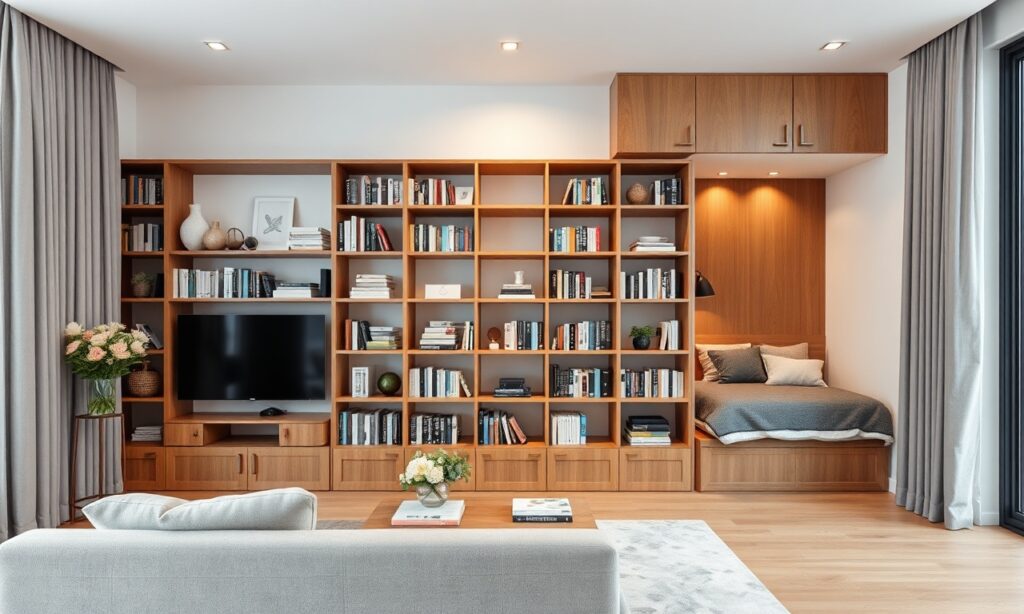
When it comes to Studio Apartment, One of the most ubiquitous and effective methods is furniture as a divider. This is more than just placing a sofa; it’s about using furniture pieces deliberately to create visual barriers. A bookshelf, for instance, can serve as an excellent divider between a living area and a sleeping nook, offering both separation and storage. Similarly, a console table behind a sofa can subtly delineate the living space from a dining area or entryway. The key is to choose furniture that is not overly imposing and allows for some degree of light and visual permeability, preventing the space from feeling closed off.
In the context of Studio Apartment, For example, an open-back shelving unit can provide a sense of division without completely blocking sightlines, maintaining the open feel of the studio.
Around Studio Apartment, Another powerful technique is the use of rugs and floor coverings. A well-placed area rug can instantly define a living area, signaling a specific zone within the larger space. This is particularly effective for anchoring a seating arrangement or designating a dining space. Contrasting flooring materials can also serve this purpose; for instance, a more durable, easily cleanable material like tile or laminate in the kitchen or entryway, transitioning to a warmer, softer carpet in the living or sleeping area. This subtle shift in texture and material visually signals a change in function and atmosphere.
Screens and partitions offer a more dynamic approach to zoning. These can range from elegant folding screens that can be easily moved or stored, to more permanent, semi-transparent room dividers made of wood, glass, or fabric. These are ideal for creating a more defined separation for a home office or a sleeping area, offering privacy when needed and being easily retractable when the space needs to revert to a more open configuration. Modular partition systems are also gaining popularity, allowing for customizable configurations that can adapt to various needs.
Strategic lighting is, as mentioned, a cornerstone. A pendant light hung above a dining table clearly designates it as a distinct zone. Wall sconces or floor lamps can illuminate a reading nook, creating an intimate atmosphere. In a studio, the general overhead lighting might be kept subtle, allowing for more focused task lighting in specific areas. This layered approach not only defines zones but also adds depth and ambiance to the overall space, making it feel more inviting and less like a single, undifferentiated box.
Finally, paint colors and accent walls can be used to subtly demarcate different areas. While maintaining a cohesive palette is important, a slightly different shade or a bold accent wall in the sleeping area can visually separate it from the main living space. This technique should be used judiciously to avoid making the studio feel too busy or disjointed, but when applied thoughtfully, it can add personality and definition to each zone.
The Essential Role of the Sleeping Zone: Creating Sanctuary
In a studio apartment, the sleeping zone is perhaps the most critical area to define effectively. Unlike in larger homes where a bedroom is a dedicated, private space, in a studio, the bed often resides within the main living area. Therefore, creating a distinct, sanctuary-like sleeping zone is paramount for both rest and mental well-being. It’s about carving out a haven of peace and tranquility amidst the multi-functional nature of the studio.
The primary goal for the sleeping zone is to create a sense of privacy and enclosure. This doesn’t necessarily mean building walls, but rather using design elements to foster a feeling of separation from the daily activities of the living area. Furniture placement is key here. Positioning the bed against a wall, perhaps in a corner, can offer a natural sense of enclosure. Further enhancing this can be achieved by using headboards that extend beyond the width of the mattress, or by placing low-profile nightstands on either side.
A room divider is an invaluable tool for this purpose. This could be a stylish bookshelf that doesn’t reach the ceiling, a decorative screen, or even a floor-to-ceiling curtain. The key is to create a visual barrier that signals, “This is the sleeping area.” If a curtain is used, opt for thick, blackout fabric to not only provide privacy but also to enhance sleep quality by blocking out light. The material and color of the divider should complement the overall aesthetic of the studio, ensuring it enhances rather than detracts from the design.
Lighting in the sleeping zone should be distinctly different from the rest of the studio. Soft, warm, and dimmable lighting is ideal for creating a relaxing atmosphere conducive to sleep. Wall-mounted sconces or bedside lamps with warm-toned bulbs are far more effective than bright overhead lights. Consider incorporating smart bulbs that allow for easy adjustment of color temperature and brightness, enabling you to transition from a reading light to a sleep-inducing ambiance with ease.
Furthermore, textiles and soft furnishings matter significantly in creating a cozy and inviting sleeping sanctuary. Luxurious bedding, plush rugs around the bed, and perhaps a comfortable throw or accent pillows can elevate the space from just a place to sleep to a true retreat. The textures and colors chosen for this zone should be calming and serene, promoting relaxation and a sense of escape from the demands of the day. Even a simple change in bedding to a more muted, calming color palette can significantly alter the perception of the sleeping area.
Optimizing the Living and Lounging Zone: Comfort Meets Functionality
The living and lounging zone in a studio apartment is the heart of the home, where relaxation, entertainment, and social interaction take place. It needs to be comfortable, inviting, and adaptable to various activities. The challenge lies in making this area feel distinct and welcoming without encroaching on other vital zones, like the sleeping or working areas.
A well-defined seating arrangement is the cornerstone of any living area. This typically involves a sofa, perhaps an armchair, and a coffee table. The arrangement should encourage conversation and be oriented in a way that feels natural and welcoming. In a studio, the scale of the furniture is crucial. Opt for pieces that are proportionate to the space; an oversized sofa can quickly overwhelm a small studio, making it feel even more confined. Loveseats, modular sofas, or even a comfortable futon can be excellent choices, offering flexibility and a less imposing presence.
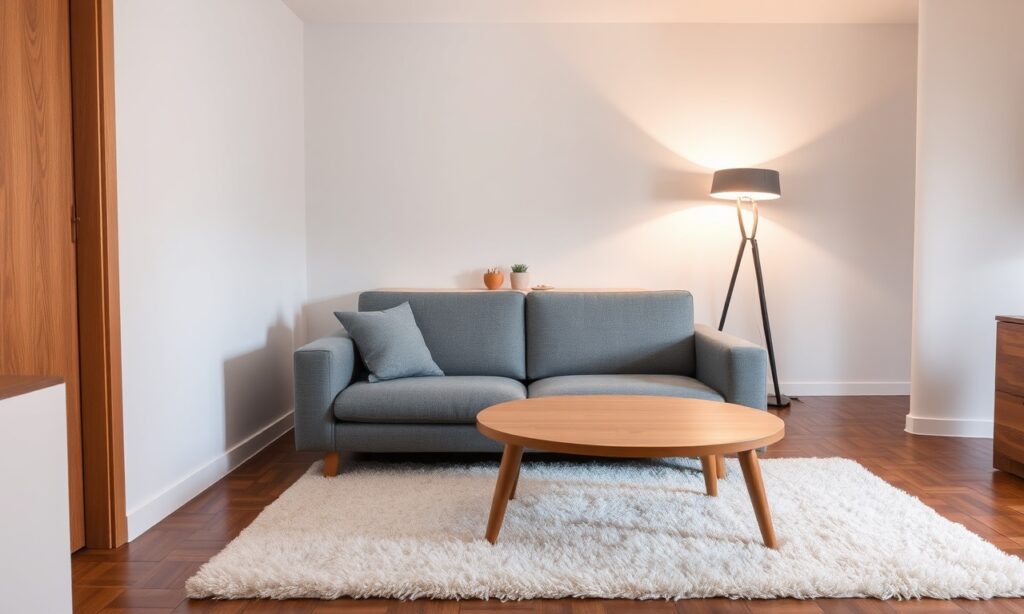
The coffee table should be chosen with functionality in mind. Consider pieces with hidden storage to help maintain a clutter-free environment, or opt for nesting tables that can be expanded when needed and tucked away when not in use. The coffee table acts as a central anchor for the seating area, providing a surface for drinks, books, or decorative items.
Entertainment integration is also vital. If a television is part of the setup, its placement needs careful consideration. Mounting it on the wall can save valuable floor space and create a cleaner look. Alternatively, a sleek media console can provide storage for electronics and accessories while also serving as a visual element that anchors the living zone. Ensure that the viewing angle is comfortable from the primary seating positions.
Storage solutions are non-negotiable in a studio apartment. The living area can quickly become a dumping ground for items if adequate storage isn’t integrated. Opt for multi-functional furniture, such as ottomans with storage, or wall-mounted shelving units that draw the eye upwards and provide ample space for books, decor, and essentials without taking up floor space. Vertical storage is your best friend in a studio.
Finally, personalization and ambiance are key to making the living zone feel like home. This is where art, photographs, plants, and decorative accents come into play. These elements infuse the space with personality and create a warm, inviting atmosphere. Layering textures through throws, cushions, and rugs adds depth and comfort, making the living area a true retreat after a long day.
The Productive Home Office Zone: Maximizing Efficiency in Compact Spaces
The rise of remote work has transformed the studio apartment landscape, making a dedicated, functional home office zone not just a luxury, but an essential component. Carving out a productive workspace within a studio requires meticulous planning to ensure it is both efficient and doesn’t detract from the living or sleeping areas. The goal is to create a clear separation that signals it’s time to focus, without making the area feel cramped or intrusive.
Desk selection and placement are paramount. In a studio, a bulky executive desk is rarely feasible. Instead, opt for a compact desk, a wall-mounted floating desk, or even a sleek console table that can double as a workspace. The placement is critical; ideally, position the desk facing a window to benefit from natural light and a view, which can boost productivity and reduce eye strain. If natural light isn’t an option, ensure ample task lighting. Avoid placing the desk directly facing the bed, as this can create psychological dissonance between relaxation and work.
Effective storage is non-negotiable for a home office in a studio. Vertical shelving units, wall-mounted organizers, and desk organizers are essential for keeping papers, stationery, and electronic accessories tidy. Utilize the space above and around your desk to maximize storage without taking up valuable floor space. Consider a small filing cabinet or a set of drawers that can slide neatly under a desk. The aim is to keep the workspace as clear and organized as possible.
Lighting for the home office zone should be focused and functional. A good desk lamp is crucial for task lighting, reducing glare and eye strain. Consider an adjustable lamp that can be positioned to illuminate your workspace precisely where needed. Complement this with ambient lighting in the broader living area, ensuring a clear distinction between the work zone and relaxation spaces.
Defining the workspace can be achieved through various methods. A small area rug can visually anchor the desk and chair, creating a distinct zone. A strategically placed room divider, such as a tall bookshelf or a folding screen, can offer a greater sense of enclosure and separation, particularly if the studio is shared or if you need to mentally disconnect from work. Even a change in wall color or a pinboard can help delineate the area.
Finally, ergonomics and comfort should not be overlooked. Experts note that investing in a comfortable chair that supports good posture, especially if you spend long hours working, is essential. Ensure your monitor is at the correct height to prevent neck strain. While space is limited, prioritizing your physical well-being in your workspace is essential for long-term productivity and health.
Beyond the Basics: Innovative Zoning Concepts for Studio Apartments
While furniture, screens, and lighting are the workhorses of studio apartment zoning, a more innovative approach can unlock even greater potential, transforming these compact spaces into exceptionally dynamic and personalized environments. These advanced concepts often leverage multi-functional design, clever storage, and an understanding of how different zones can fluidly transition.
One such innovative concept is the “transformable” zone. This involves furniture and elements that can serve multiple purposes and change their configuration based on the time of day or activity. Think of a murphy bed that folds into a wall, revealing a sofa or a desk, or a dining table that can expand from a small console to seat several guests. These pieces are the epitome of efficient studio living, allowing a single area to serve vastly different functions without compromise. The technology and design of these items have advanced significantly, offering sleek and user-friendly solutions.
Vertical zoning is another advanced strategy that takes full advantage of the often-underutilized vertical space. This can involve creating a lofted sleeping area, accessible by a ladder or stairs, which frees up the floor space below for a living or working area. Alternatively, it can involve custom-built cabinetry that extends to the ceiling, providing extensive storage while also creating distinct visual divisions between zones. Even subtle variations, like a stepped floor level, can create a sense of separation and add architectural interest.
The concept of “pocket” zones is also gaining traction. These are small, dedicated nooks carved out for specific, often overlooked activities. This might be a tiny reading corner with a comfortable chair and a wall-mounted light, a small vanity area for grooming, or even a compact pet-feeding station. These “pocket” zones demonstrate an understanding that even the smallest functional needs can be met with dedicated, albeit compact, spaces.
Smart home technology can also play a role in innovative zoning. Smart lighting systems can be programmed to create different ambiances for different zones at different times. Smart blinds or curtains can automatically adjust to control light and privacy. Even smart speakers can be used to delineate auditory zones, subtly signaling a shift in atmosphere or activity. While not a physical zoning method, technology can significantly enhance the perceived separation and functionality of different areas.
Finally, art and curated decor can be used as subtle zoning tools. A large piece of art can serve as a focal point for a living area, while a collection of plants can define a tranquil, green corner. The deliberate placement of decorative elements can guide the eye and create a sense of enclosure for specific zones, adding both aesthetic appeal and functional definition.
Key Insights & Takeaways
The true art of studio apartment living isn’t about living with less, but about living smarter, where every element is intentionally placed to serve a purpose and enhance the overall quality of life.
- Zoning is paramount: Transform a single space into distinct, functional areas for living, sleeping, working, and dining.
- Furniture as Dividers: Utilize bookshelves, consoles, and sofas strategically to create visual separation without walls.
- Lighting Defines Space: Employ layered lighting—ambient, task, and accent—to delineate zones and set distinct moods.
- Prioritize the Sleeping Zone: Create a private sanctuary with room dividers, calming textiles, and soft lighting.
- Maximize Vertical Space: Employ lofted beds, wall-mounted storage, and ceiling-high cabinetry to enhance functionality and definition.
- Embrace Multi-functional Furniture: Invest in pieces that transform and adapt, maximizing utility in limited square footage.
Frequently Asked Questions
Can I truly make a studio apartment feel like a real home?
Absolutely. While a studio apartment presents unique challenges due to its open-plan nature, strategic zoning and thoughtful design can transform it into a highly functional and comfortable home. By creating distinct areas for living, sleeping, working, and dining, you can imbue the space with a sense of order and purpose, much like a larger home. The key is to think vertically, utilize multi-functional furniture, and employ design elements like rugs, screens, and lighting to define each zone effectively.
What is the most important zone to focus on in a studio apartment?
The sleeping zone is arguably the most critical to define effectively in a studio apartment. Since the bed is often within the main living area, creating a distinct, private, and sanctuary-like space for rest is paramount for both physical and mental well-being. This can be achieved through room dividers, calming color palettes, and specialized lighting that promotes relaxation.
How can I create a home office in a studio apartment without it feeling cramped?
Creating a productive home office in a studio requires smart space utilization. Opt for a compact desk, such as a floating wall-mounted desk or a slim console table. Position it to take advantage of natural light if possible. Utilize vertical storage solutions like wall shelves and organizers to keep the workspace tidy. A small area rug can also help define the office zone, and a strategically placed room divider can offer a psychological separation from the rest of the living space, signaling a dedicated work environment.
Is it possible to have a distinct dining area in a studio apartment?
Yes, it is entirely possible and highly recommended to have a distinct dining area. This can be achieved through various means, such as using a small, round dining table and chairs that fit neatly within a designated corner. A visually appealing rug can anchor the dining space. Alternatively, a breakfast bar or a kitchen island with seating can serve as a combined kitchen and dining area. Even a foldable table that can be stored away when not in use is an excellent option for maximizing space.
What are some of the best furniture types for studio apartments?
The best furniture types for studio apartments are those that are multi-functional, scaled appropriately, and offer smart storage solutions. Examples include sofa beds or futons, ottomans with hidden storage, nesting coffee tables, expandable dining tables, wall-mounted desks and shelving units, and murphy beds. Choosing furniture that can serve multiple purposes significantly enhances the functionality of a compact living space.
Final Recommendations for Studio Apartment Mastery
Mastering the art of studio apartment living is an ongoing process of thoughtful curation and intelligent design. The strategies outlined—from foundational principles to innovative concepts—provide a robust framework for transforming these compact dwellings into highly functional and aesthetically pleasing homes. The true essence of studio apartment zoning lies in its ability to create distinct identities within a singular space, fostering a sense of order, purpose, and comfort that belies its physical dimensions. By embracing the challenge of limited square footage with creativity and intention, you can cultivate an environment that is not just a place to live, but a reflection of your lifestyle and aspirations.
Remember, a well-zoned studio apartment is proof of the fact that intelligent design and mindful living can achieve unparalleled quality of life, regardless of the size of your footprint.
See also: Studio Apartment