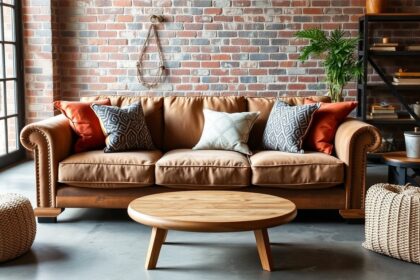


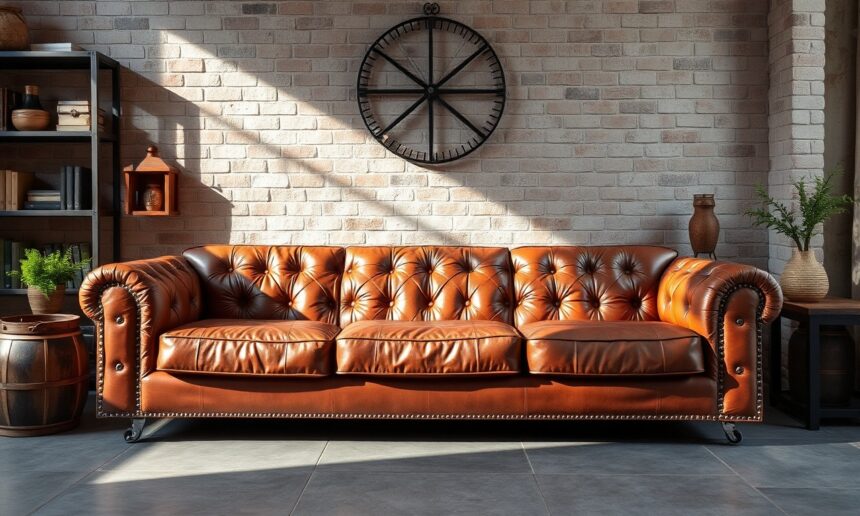
Leather industrial sofas have carved out a distinct niche in interior design, blending raw, utilitarian aesthetics with the luxurious comfort of genuine leather. This marriage of form and function speaks to a modern sensibility that values authenticity, longevity, and a touch of rugged sophistication. But beyond the initial appeal, what truly makes a leather industrial sofa a worthwhile investment, and what nuances do seasoned designers and connoisseurs consider? This guide offers expert recommendations that elevate these pieces from mere furniture to enduring statement items.
- The Anatomy of an Expertly Chosen Leather Industrial Sofa
- Material Mastery: The Heart of Leather Industrial Appeal
- Construction: The Unseen Foundation of Durability
- Design Nuances: Capturing the Industrial Spirit
- Integrating Leather Industrial Sofas into Your Space
- Maintaining Your Investment: Expert Care for Leather Industrial Sofas
- The Environmental and Ethical Considerations
- The Enduring Value of Leather Industrial Sofas
- Frequently Asked Questions
- What is the best type of leather for an industrial sofa?
- How can I identify a well-constructed industrial sofa frame?
- What color leather industrial sofas are most authentic to the style?
- How do I maintain the leather on my industrial sofa to ensure it ages well?
- Can a leather industrial sofa fit into a non-industrial interior design?
Leather industrial sofas represent a conscious choice for quality and character, their design ethos often drawing inspiration from loft living, vintage workshops, and the enduring appeal of materials that age gracefully. This isn’t about fleeting fads; it’s about acquiring pieces that gain patina and personality with time. When approached with an expert eye, selecting a leather industrial sofa involves considering material science, construction integrity, and the subtle art of integrating its robust aesthetic into diverse living spaces.
The true genius of leather industrial sofas lies not just in their striking visual presence, but in their capacity to evolve, becoming more characterful with every passing year.
When it comes to Leather Industrial, The allure of the industrial style, particularly when manifested in upholstered furniture, is rooted in a historical appreciation for sturdy, functional pieces. This ethos translates beautifully into contemporary living spaces, offering a counterpoint to more delicate or ornate designs. The tactile quality of leather, combined with the clean lines and often exposed metal accents characteristic of industrial design, creates a compelling visual and sensory experience, making them exceptionally well-suited for spaces that aim for a curated, yet lived-in, feel.
The Anatomy of an Expertly Chosen Leather Industrial Sofa
When experts evaluate a leather industrial sofa, their assessment goes far beyond the surface, considering construction, material, and design integrity to identify pieces built to withstand daily life and improve with age.
Wikipedia: Contents — Wikipedia
Material Mastery: The Heart of Leather Industrial Appeal
In the context of Leather Industrial, The quality and type of leather are paramount for an industrial sofa. Experts typically gravitate towards full-grain or top-grain leathers.
- Full-Grain Leather: This is the highest grade, retaining the natural surface of the hide, including any imperfections. It’s incredibly durable and develops a rich patina over time, making it ideal for the industrial aesthetic, characterized by its natural markings and breathability.
- Top-Grain Leather: Also a premium choice, top-grain leather has the outermost layer of the hide removed, offering a more uniform appearance. While still durable, it may not develop the same depth of character as full-grain.
Around Leather Industrial, According to leading interior designers specializing in industrial aesthetics, for this style, one must look for leathers designed to age, such as aniline or semi-aniline finishes. These allow the leather to breathe and develop beautiful marks and variations. Heavily corrected or bonded leathers are generally avoided as they lack the desired soul and durability.
Regarding Leather Industrial, 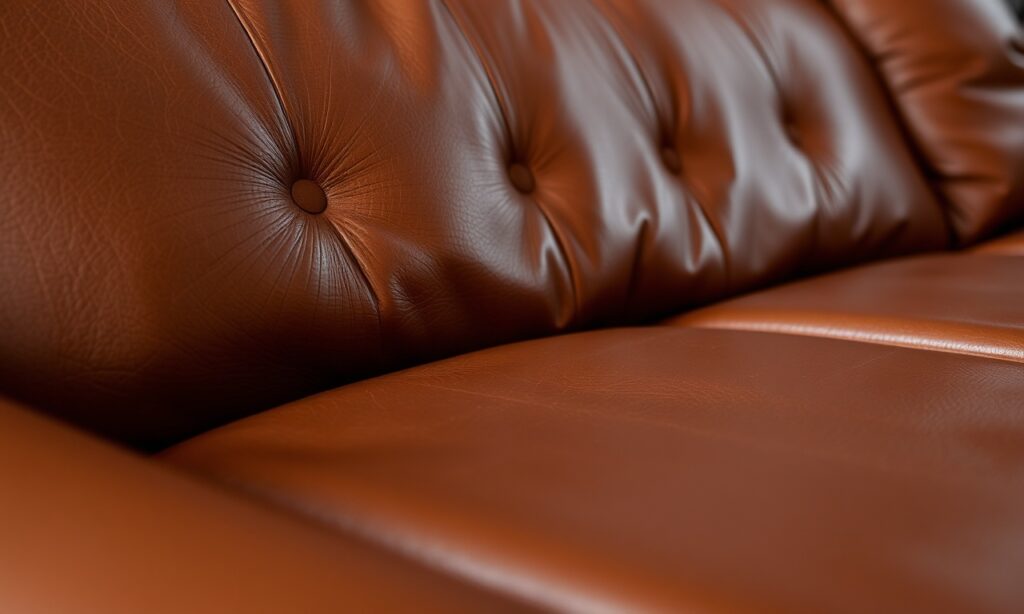
When it comes to Leather Industrial, The tanning process also plays a role. Vegetable-tanned leathers are known for their natural look and beautiful aging process. Conversely, heavily pigmented or protected leathers, while easier to clean, often mask the natural beauty of the hide. Research indicates that the surface treatment of leather significantly impacts its longevity and aesthetic evolution; studies have shown that aniline-dyed leathers, due to their minimal finishing, are more susceptible to scratching but develop a more desirable patina than pigmented leathers.
Construction: The Unseen Foundation of Durability
In the context of Leather Industrial, The frame and internal construction of an industrial sofa are as critical as the leather. Experts look for robust frameworks built to last.
- Solid Hardwood Frames: Kiln-dried hardwood frames, often oak, maple, or walnut, provide superior strength and stability, preventing warping or cracking. Multi-layered birch plywood can also indicate quality construction.
- Joinery Techniques: Look for mortise-and-tenon joints or dovetail joints as signs of meticulous craftsmanship. Glued and screwed joints are acceptable if reinforced and well-executed, but generally less durable.
- Suspension Systems: The support beneath the cushions is crucial. Eight-way hand-tied springs are considered the most superior. Alternatively, sinuous spring systems (S-springs) can also be high-quality if they are heavy gauge and closely spaced. Simple webbing tends to sag over time.
According to industry research, the structural integrity of a sofa frame is the primary determinant of its lifespan, with solid hardwood frames exhibiting significantly higher durability than those made from particleboard or engineered wood.
Design Nuances: Capturing the Industrial Spirit
The visual language of industrial design is distinct. When applied to sofas, it often translates into specific stylistic cues.
Form and Silhouette
Industrial sofas typically feature clean, straightforward lines, boxy silhouettes, deep seating for comfort, and an understated yet commanding presence. They eschew excessive ornamentation in favor of functional form.
- Low Profiles: Many industrial sofas have a lower profile, contributing to a grounded aesthetic.
- Generous Proportions: They often boast ample depth and width, inviting relaxation and providing a sense of substantiality.
- Exposed Hardware: Rivets, exposed metal legs (often in brushed steel, black iron, or brass), and sturdy stitching are common design elements that reinforce the industrial motif.
Color Palette and Finish
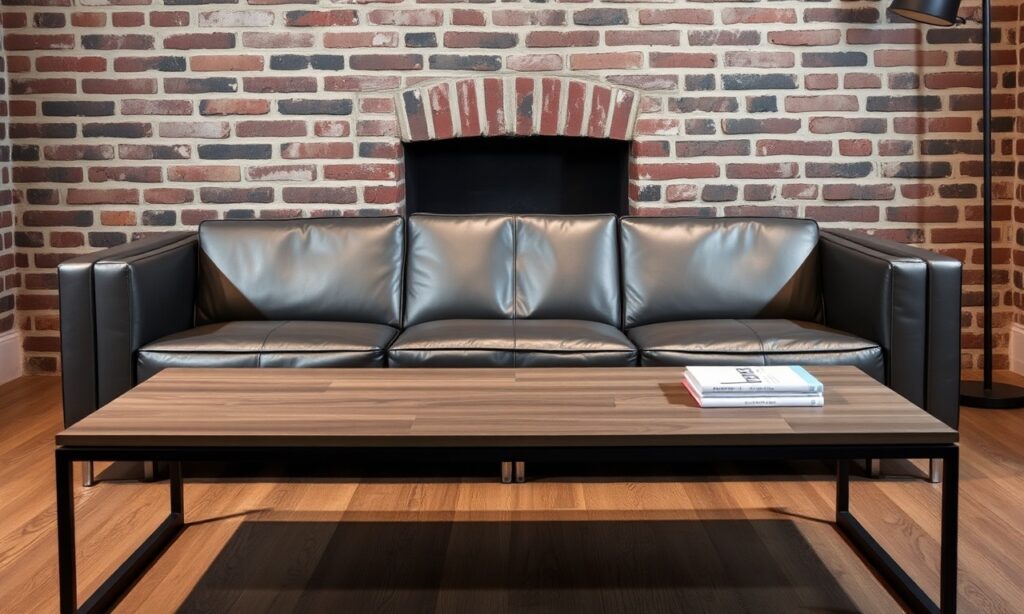
While black, brown, and tan are quintessential industrial sofa colors, experts also appreciate variations that add depth and character, such as deep oxblood, charcoal grey, or muted olive tones. The finish of the leather is equally important; a matte or semi-matte finish generally aligns better with the industrial vibe than a high-gloss patent look.
Integrating Leather Industrial Sofas into Your Space
The perceived robustness of industrial design can sometimes lead people to believe these sofas are only suited for specific environments. However, experts know how to make them shine in a variety of contexts.
The Classic Loft Aesthetic
This is the most natural habitat for an industrial sofa. Think open-plan spaces, exposed brick, concrete floors, and metal accents. The sofa becomes the anchor, providing a warm, tactile counterpoint to raw architectural elements.
- Pairing with Metals: Combine the leather with furniture and decor featuring black iron, brushed steel, or antique brass.
- Textural Contrast: Introduce soft textures through throws, cushions, and rugs to balance the hardness of the industrial elements. Wool, natural linen, and chunky knits work well.
- Lighting: Industrial-style pendant lights or floor lamps with metal shades enhance the theme.
Modern Minimalism
An industrial leather sofa can lend an unexpected edge to a minimalist interior, preventing a space from feeling sterile with its inherent strength and character.
- Clean Lines Focus: Choose an industrial sofa with very clean, uncluttered lines.
- Monochromatic Schemes: A black or charcoal grey industrial sofa can be a powerful focal point in an otherwise monochromatic room.
- Strategic Accents: Use minimal decorative elements, focusing on one or two carefully chosen art pieces or sculptural objects.
Eclectic Interiors
For those who love to mix and match, an industrial leather sofa can serve as a grounding element, providing a sense of history and substance when paired with vintage finds, bohemian textiles, or even more traditional furniture pieces.
- Layering Textures: Combine the leather with velvet cushions, woven rugs, and perhaps a vintage Persian rug.
- Color Play: Introduce pops of vibrant color through throw pillows or artwork to contrast with the sofa’s more subdued tones.
- Juxtaposition: Place it alongside antique wooden furniture or mid-century modern chairs for an intriguing dialogue between styles.
Maintaining Your Investment: Expert Care for Leather Industrial Sofas
The beauty of industrial leather sofas lies in their ability to age gracefully, but this doesn’t mean they don’t require care. Proper maintenance ensures they remain stunning and functional for decades.
Regular Cleaning and Conditioning
- Dusting: Regularly dust the sofa with a soft, dry cloth to remove surface dirt.
- Vacuuming: Use a soft brush attachment on your vacuum cleaner to reach crevices and under cushions.
- Wipe-Downs: For most full-grain and top-grain leathers, a slightly damp, well-wrung-out cloth can be used for a gentle wipe-down. Always test this in an inconspicuous area first.
- Conditioning: Apply a high-quality leather conditioner specifically designed for aniline or semi-aniline leathers every 6-12 months. This replenishes natural oils, keeping the leather supple and preventing cracking. The frequency depends on your climate; drier environments may require more frequent conditioning. Research highlights that consistent conditioning can extend the tensile strength and flexibility of leather significantly.
Dealing with Spills and Stains
- Immediate Action: Blot spills immediately with a clean, absorbent cloth. Do not rub, as this can spread the stain.
- Water-Based Stains: For water-based stains, use a clean cloth lightly dampened with distilled water. Blot gently.
- Oil-Based Stains: For oil or grease stains, an absorbent powder like cornstarch or talcum powder can be applied. Let it sit for several hours to absorb the oil, then brush it away.
- Professional Cleaning: For stubborn stains or if you are unsure, consult a professional leather cleaning specialist.
The Environmental and Ethical Considerations
In an era of increasing environmental consciousness, the sustainability of furniture choices is paramount. Leather industrial sofas, when sourced responsibly, can be a sustainable option.
- Durability and Longevity: High-quality leather sofas, built to last, reduce the need for frequent replacement, thus lowering overall consumption and waste. A well-maintained leather sofa can last for 20-30 years, significantly longer than many synthetic alternatives.
- Natural Material: Leather is a byproduct of the meat industry, repurposing a material that would otherwise be discarded. Responsible tanneries are increasingly adopting eco-friendlier tanning processes.
- Biodegradability: Unlike synthetic materials that can persist in landfills for centuries, genuine leather is a biodegradable material.
When making a purchase, consumers are encouraged to look for certifications or inquire about sourcing and tanning processes. Brands committed to ethical practices will often be transparent about their supply chains and environmental impact.
The Enduring Value of Leather Industrial Sofas
The appeal of leather industrial sofas transcends transient design trends, offering a compelling blend of robust aesthetics, unparalleled comfort, and enduring quality that only improves with age. Their ability to adapt to diverse interior styles makes them a versatile investment for discerning homeowners.
By understanding the nuances of leather types, construction techniques, and design principles, one can confidently select a piece that not only enhances their living space but also tells a story of craftsmanship and enduring style. The patina that develops over years of use is proof of its journey, imbuing the sofa with a unique character that machine-made, mass-produced furniture can rarely replicate. It is this profound sense of authenticity and longevity that experts champion, making the leather industrial sofa a true cornerstone of inspired interior design.
Frequently Asked Questions
What is the best type of leather for an industrial sofa?
Experts overwhelmingly recommend full-grain or top-grain leathers for industrial sofas. Full-grain leather, in particular, offers the most authentic look and feel, developing a rich patina over time that is central to the industrial aesthetic. Aniline and semi-aniline finishes are preferred as they retain the natural beauty of the hide and allow it to breathe, contributing to its characterful aging. Avoid heavily corrected or bonded leathers, which lack durability and the desired depth of character.
How can I identify a well-constructed industrial sofa frame?
A well-constructed frame is crucial for longevity. Look for sofas built with solid kiln-dried hardwood frames (such as oak, maple, or walnut). Expert joinery techniques like mortise-and-tenon or dovetail joints are strong indicators of quality. While glued and screwed joints can be acceptable if reinforced, they are generally less durable. The suspension system beneath the cushions is also vital; eight-way hand-tied springs are the benchmark for superior support and durability, though high-quality, closely spaced sinuous springs are also a good sign.
What color leather industrial sofas are most authentic to the style?
Classic industrial sofa colors include deep blacks, rich browns (from chocolate to chestnut), and versatile tans. However, experts also suggest exploring shades like charcoal grey, deep oxblood, or even muted olive greens to capture the industrial spirit. The key is a natural, matte, or semi-matte finish that allows the leather’s texture and character to show through, rather than a high-gloss or heavily pigmented look.
How do I maintain the leather on my industrial sofa to ensure it ages well?
Regular care is essential for graceful aging. Dust the sofa frequently with a soft cloth and vacuum crevices with a brush attachment. For cleaning, a slightly damp cloth (well wrung-out) is often sufficient for many leathers, but always test in an inconspicuous area. Crucially, condition the leather every 6-12 months with a quality leather conditioner designed for aniline or semi-aniline leathers to maintain suppleness and prevent cracking. This replenishes essential oils, ensuring the leather ages beautifully.
Can a leather industrial sofa fit into a non-industrial interior design?
Absolutely. Experts often integrate industrial leather sofas into modern minimalist, eclectic, and even some contemporary traditional settings. The key is strategic styling. In a minimalist space, a clean-lined black or grey industrial sofa can provide a grounding, textural element. In eclectic interiors, it can serve as a robust counterpoint to softer textures, vintage pieces, or vibrant colors. Focus on complementary metal accents, textural contrasts with throws and rugs, and thoughtful lighting to harmonize the sofa with your existing decor.
See also: Leather Industrial