

The Undeniable Challenge and Artistry of Small Studio Living
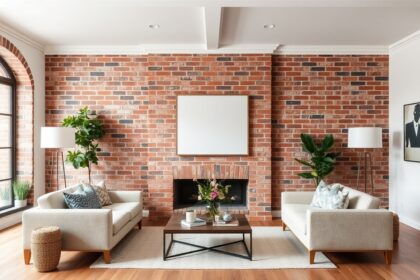
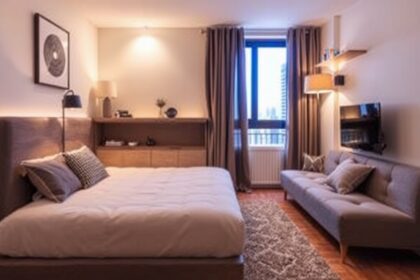
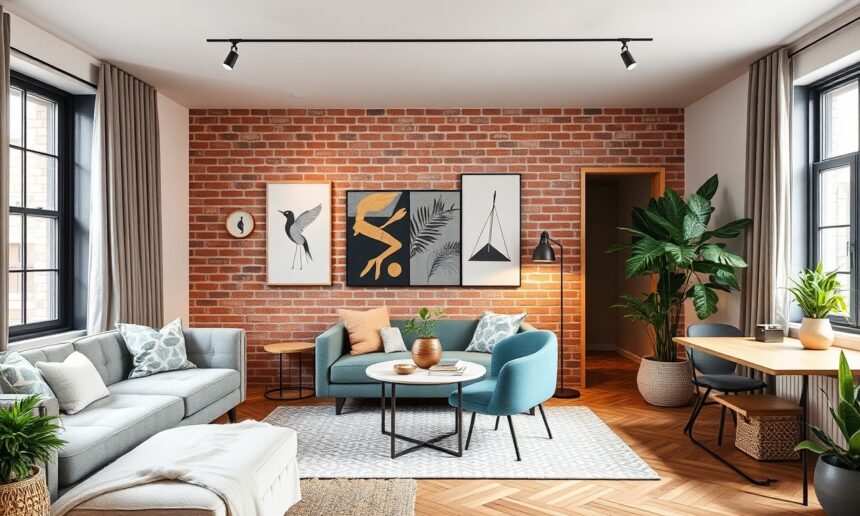
Millions worldwide grapple with limited living quarters, with over 30% of urban dwellers in major global cities residing in apartments or studios under 500 square feet. This reality presents a significant design hurdle: how to carve out distinct functional areas within a single, often compact, open-plan space. The success of small studio living hinges not on sheer square footage, but on intelligent design and strategic zoning. This approach moves beyond simple furniture arrangement, focusing instead on spatial choreography that imbues a compact home with the perceived spaciousness and distinctiveness of a larger dwelling.
- The Undeniable Challenge and Artistry of Small Studio Living
- Understanding the Core Principles of Small Studio Zoning
- Proven Zoning Strategies for Maximizing Your Small Studio
- Furniture Placement and Selection: The Foundation of Zoning
- Visual and Sensory Dividers: Creating Ambiance and Separation
- Lighting Strategies for Defining Zones
- Creative and Innovative Zoning Ideas
- Small Studio Zoning for Specific Activities
- The Sleeping Zone: Prioritizing Privacy and Calm
- The Workspace Zone: Fostering Focus and Productivity
- The Dining Zone: Efficient and Inviting
- The Living/Lounge Zone: Comfort and Versatility
- Key Insights and Takeaways
- Frequently Asked Questions
- How can I create separate zones in a studio without making it feel cramped?
- What is the best way to zone a sleeping area in a studio?
- Can I create a functional home office in a small studio?
- What are the most effective non-permanent zoning solutions for renters?
- How does lighting contribute to studio zoning?
- Final Recommendations for Your Small Studio Transformation
Wikipedia: Contents — Wikipedia
Mastering small studio zoning is an art form and a practical science, capable of elevating a humble space from merely habitable to exceptionally livable, accommodating diverse activities from focused work to relaxed entertainment.
The true measure of a small studio’s success lies not in its dimensions, but in its ability to seamlessly transition between the demands of modern life, offering distinct zones for living, working, and resting without compromising on comfort or style.
The appeal of small studio apartments is considerable, particularly in densely populated urban centers. They often provide a more affordable entry into desirable neighborhoods, a reduced environmental footprint, and can encourage a simplified, minimalist lifestyle. However, the inherent single-room nature of a studio poses unique design challenges. Without deliberate planning, a studio can quickly devolve into a cluttered, undifferentiated space where the bedroom encroaches on the living area, and the workspace disrupts zones meant for relaxation. This is where effective zoning becomes paramount, transforming potential drawbacks into opportunities for creative, multi-functional living. This guide explores proven strategies and innovative ideas to help you partition your small studio with purpose and panache.
Understanding the Core Principles of Small Studio Zoning
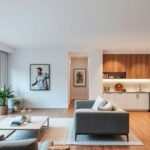
At its core, zoning is about establishing psychological and physical boundaries within an open-plan layout. It’s the art of defining distinct areas for specific activities – sleeping, working, dining, lounging, and even storage – without necessarily erecting permanent walls. The aim is to enhance functionality, improve flow, and foster a sense of order and spaciousness. For a small studio, this means maximizing every inch and ensuring each zone serves its purpose efficiently and aesthetically. Effective zoning acknowledges that a single space can, and should, accommodate multiple facets of daily life, creating a dynamic environment that adapts to your needs throughout the day.
The primary objectives of zoning in a small studio are threefold: functionality, aesthetics, and psychological clarity. Functionality requires that each zone be equipped for its intended use. Aesthetics ensure that the transitions between zones are visually pleasing and contribute to an overall cohesive design. Psychological clarity refers to the space’s ability to signal to its occupant that they are entering a specific activity zone, promoting focus and relaxation as needed. For example, a well-defined sleeping area should evoke calm and rest, while a designated workspace should foster concentration. This intentional design approach counters the feeling of living in one continuous, undifferentiated room.
Proven Zoning Strategies for Maximizing Your Small Studio
Several tried-and-tested methods can effectively zone a small studio apartment. These strategies can be employed individually or in combination to achieve the desired outcome. Understanding your studio’s unique layout and your personal lifestyle needs is key, as what works for one individual may not be ideal for another, making personalization a crucial aspect of successful zoning.
Furniture Placement and Selection: The Foundation of Zoning
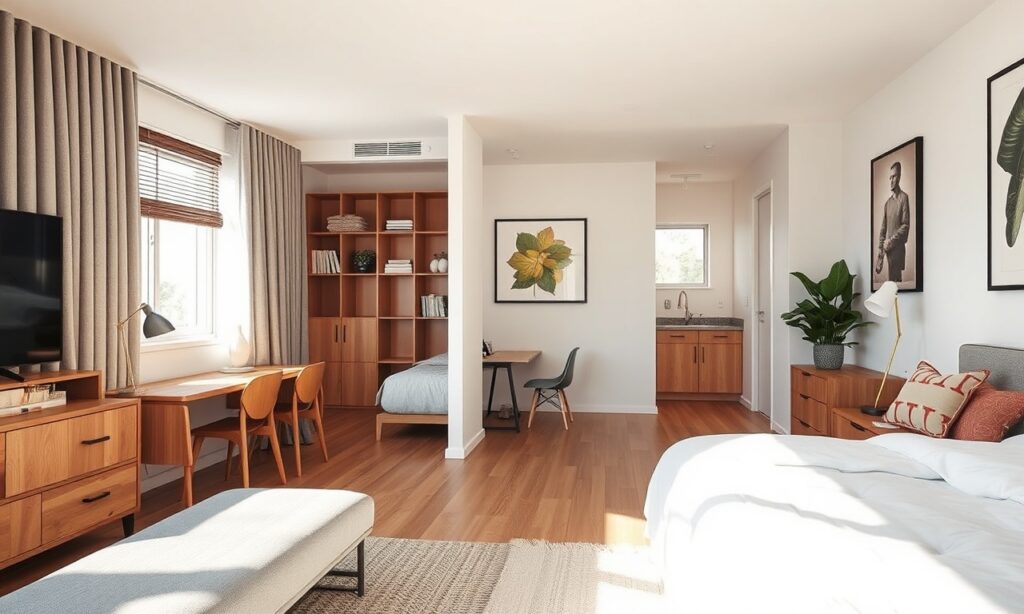
Perhaps the most accessible and impactful zoning technique involves the strategic placement and thoughtful selection of furniture. Larger pieces like sofas, bookshelves, or even consoles can act as natural dividers, visually segmenting the open space. A sofa, for example, can clearly delineate the living area from the sleeping or dining space. Similarly, a tall bookshelf placed perpendicular to a wall can create a semi-private nook for a home office or a dressing area. The key here is to select furniture that is appropriately scaled for the space; oversized pieces will overwhelm a small studio, while too little furniture might not provide sufficient division.
When it comes to Small Studio, Consider modular furniture, which can be reconfigured to adapt to different needs, or pieces with dual functions, such as ottomans with hidden storage.
In the context of Small Studio, When selecting furniture for zoning, consider its visual weight and transparency. A solid, opaque piece will create a more definitive separation than an open-backed bookshelf or a translucent screen. The orientation of furniture is also paramount. Placing a bed facing away from the main living area, for instance, can significantly enhance the perception of privacy for the sleeping zone. The height of furniture can also play a role; a lower profile sofa might allow sightlines to flow more freely, making the space feel larger, while a taller headboard can anchor the sleeping area.
Defining Zones with Rugs
Around Small Studio, Rugs are a powerful, non-permanent tool for zoning. Placing a distinct rug in each functional area – a plush rug under the sofa for the living zone, a more durable rug under the dining table, and perhaps a smaller, cozier rug beside the bed – visually anchors each zone and defines its purpose. This layering of textures and patterns adds depth and interest to the space, making each area feel more intentional and separate. The size of the rug is critical; it should be large enough to comfortably encompass the main furniture pieces within its zone, ensuring a cohesive look.
Multi-functional Furniture as Dividers
Regarding Small Studio, Embrace furniture that serves multiple purposes. A long, narrow console table can act as a subtle divider between a living area and a hallway or entryway, while also providing space for decorative items or serving as a makeshift desk. A storage bench can separate a dining area from a living space, offering both seating and hidden storage. The aim is to select pieces that perform a primary function while also contributing to the spatial organization of the studio.
Visual and Sensory Dividers: Creating Ambiance and Separation
When it comes to Small Studio, Beyond furniture, various non-permanent physical elements can be used to create visual and even sensory barriers, enhancing the distinctiveness of each zone. These elements offer flexibility and can be changed or removed as needs evolve.
Screens and Room Dividers
In the context of Small Studio, Folding screens, slatted room dividers, or even strategically placed plants can create subtle yet effective separations. These can be particularly useful for sectioning off a sleeping area from the rest of the studio, offering a sense of privacy without the commitment of a permanent structure. Consider options that allow light to filter through, maintaining a sense of openness. Some modern room dividers incorporate shelving or storage, adding further utility.
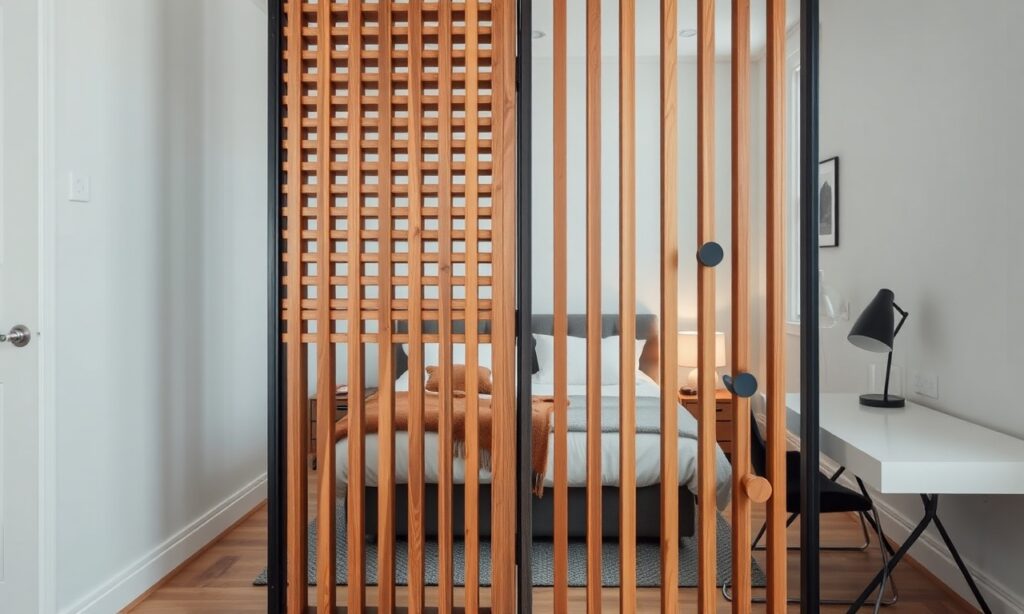
Curtains and Drapes
Hanging curtains from ceiling tracks offers a highly adaptable zoning solution. A floor-to-ceiling curtain can completely conceal a sleeping area when desired, creating a distinct bedroom-like feel. Alternatively, lighter sheer curtains can soften the visual separation, allowing light to pass through while still defining a zone. This is an excellent option for renters, as it requires no permanent alterations.
Shelving Units as Partitions
Open-backed shelving units are versatile zoning tools. They provide storage, display space for personal items, and act as a visual buffer between areas. Their open design prevents the space from feeling too enclosed, allowing light and air to flow through. You can further enhance their zoning effect by placing them strategically and arranging items on the shelves to create visual density on one side and openness on the other.
Paint and Wallpaper Accents
Using different paint colors or wallpaper patterns on specific walls can visually delineate zones. For example, a bold accent wall behind a sofa can anchor the living area, while a calming color in the sleeping nook can promote relaxation. This is a more permanent solution than furniture or screens, so careful consideration of the long-term aesthetic is advised.
Lighting Strategies for Defining Zones
Lighting is a powerful, often overlooked, tool for zoning. By strategically employing different types of lighting, you can create distinct moods and clearly define the purpose of each area within your small studio. Different zones require different lighting intensities and styles.
Ambient Lighting
This is the general, overall illumination of a space. In a small studio, it’s important to have a good base level of ambient light, but it shouldn’t be the sole source of illumination. Over-reliance on a single overhead light can make the entire studio feel like one homogenous, flat space.
Task Lighting
This is crucial for functional zones. A bright, focused light over a desk or workspace is essential for productivity. Similarly, a pendant light above a dining table or task lighting in the kitchen area enhances the functionality of these zones.
Accent Lighting
Accent lighting can be used to draw attention to specific features or to create a particular mood within a zone. A dimmer switch on a floor lamp in the living area can create a cozy ambiance for relaxation, while a series of small spotlights can highlight artwork in your living zone.
Layering Light
The most effective approach is to layer different types of lighting. This allows you to adjust the illumination based on the time of day or the activity you’re engaged in. For instance, you might use ambient light for general movement, task lighting for working or reading, and accent lighting for creating a relaxing atmosphere in the evening. This dynamic approach makes the studio feel more adaptable and sophisticated.
Creative and Innovative Zoning Ideas
Beyond the foundational strategies, several creative approaches can elevate your small studio zoning to new levels of functionality and style. These often involve clever use of vertical space or less conventional dividing elements.
The Power of Verticality
When floor space is limited, looking up is essential. Consider a loft bed to free up the space underneath for a desk or a seating area, effectively creating two distinct zones in one footprint. Alternatively, a wall-mounted folding desk or table can be deployed when needed and stored away when not in use, preserving precious floor space. Floating shelves can also serve as subtle visual dividers and storage solutions.
Multi-purpose Room Dividers
Think beyond traditional screens. A strategically placed bookshelf can serve as a divider, offering storage on both sides. A large potted plant or a collection of plants can create a natural, calming visual barrier. Even a striking piece of art hung on a stand can act as a focal point that subtly divides a space.
Dedicated Nooks
Carve out dedicated nooks for specific activities. A small, cozy reading corner with a comfortable armchair and a good lamp can feel like a world away from the rest of the studio. Similarly, a small, well-organized bar cart can define a dedicated entertaining zone. These nooks provide a sense of escape and purpose within the larger space.
Small Studio Zoning for Specific Activities
We examine how to zone for the most common activities in a small studio: sleeping, working, dining, and relaxing.
The Sleeping Zone: Prioritizing Privacy and Calm
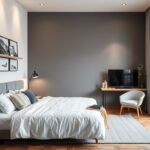
The sleeping area is often the most sensitive zone in a studio. It needs to feel private and conducive to rest, even when visible from other parts of the apartment.
- Bed Placement: Position the bed away from the main entrance and high-traffic areas. If possible, place it in a corner to maximize a sense of enclosure.
- Creating a Retreat: Use a headboard to anchor the bed and visually separate it. Consider a canopy bed with sheer drapes for an added layer of privacy and luxury.
- Color Palette: Opt for calming, muted colors in the sleeping zone to promote relaxation.
- Lighting: Soft, dimmable bedside lamps are essential for creating a tranquil ambiance. Avoid harsh overhead lighting in this area.
The Workspace Zone: Fostering Focus and Productivity
With the rise of remote work, a dedicated workspace is no longer a luxury but a necessity for many.
- Location: Choose a spot that minimizes distractions. A corner near a window can offer natural light and a view, but ensure it doesn’t become a visual distraction.
- Ergonomics and Storage: Invest in an ergonomic chair and a desk that suits your workflow. Ample storage, such as wall-mounted shelves or a compact filing cabinet, is crucial for keeping the area tidy.
- Visual Separation: Use a small rug, a bookshelf, or even a different wall color to visually distinguish the workspace from other areas.
- Lighting: Adequate task lighting is paramount. A good desk lamp can prevent eye strain and improve focus.
The Dining Zone: Efficient and Inviting
Even in a small studio, a designated dining area makes meals feel more intentional and enjoyable.
- Compact Solutions: Consider a drop-leaf table, a wall-mounted folding table, or a narrow console table that can be extended when needed.
- Placement: Position the dining area near the kitchen for convenience. It can often be integrated with the living area, using a rug to define its boundaries.
- Seating: Opt for compact chairs or stools that can be tucked away when not in use. Bench seating can be a space-saving option.
- Lighting: A pendant light or a stylish table lamp can create an inviting atmosphere for dining.
The Living/Lounge Zone: Comfort and Versatility
This is often the most prominent zone, so it needs to be comfortable, inviting, and adaptable.
- Furniture Arrangement: Arrange seating to encourage conversation and optimize flow. Consider a sectional sofa for maximum seating in a corner, or a loveseat and accent chairs.
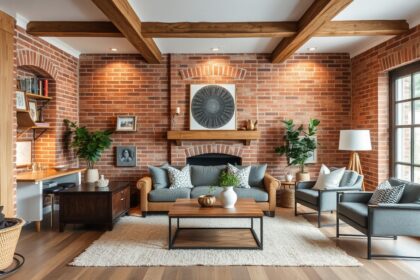
- Defining the Space: A large area rug is the most effective way to anchor the living zone.
- Entertainment: If you have a TV, consider its placement carefully to avoid it dominating the space when not in use. Wall-mounting can save floor space.
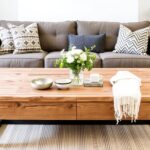
- Storage: Incorporate smart storage solutions, such as coffee tables with hidden compartments or media units with drawers.
Key Insights and Takeaways
The strategic application of zoning transforms a small studio from a mere living space into a dynamic, multi-functional home. It’s about intentional design that prioritizes both form and function, allowing each area to serve its purpose without encroaching on others.
- Furniture as Dividers: Utilize sofas, bookshelves, and console tables to create natural separations between zones.
- Visual and Sensory Elements: Employ screens, curtains, rugs, and even plants to define spaces subtly.
- Strategic Lighting: Layer ambient, task, and accent lighting to create distinct moods and enhance functionality in each zone.
- Vertical Space Maximization: Employ loft beds, wall-mounted furniture, and floating shelves to utilize vertical real estate.
- Dedicated Nooks: Create small, defined areas for reading, working, or entertaining to enhance the studio’s versatility.
- Adaptability is Key: Choose flexible solutions that can be reconfigured as your needs change over time.
Frequently Asked Questions
How can I create separate zones in a studio without making it feel cramped?
The key is to use elements that provide visual separation without being solid barriers. Think open-backed bookshelves, slatted screens, sheer curtains, or strategically placed rugs. Using a consistent color palette throughout the studio can also help maintain a sense of visual unity, even with defined zones. Natural light is also crucial; avoid blocking windows with heavy dividers.
What is the best way to zone a sleeping area in a studio?
Prioritize privacy and a sense of enclosure. This can be achieved with a floor-to-ceiling curtain track, a stylish room divider, or even a carefully positioned bookshelf. Placing the bed in a corner and using calming colors and soft lighting further enhances the retreat-like feel.
Can I create a functional home office in a small studio?
Absolutely. Look for compact, wall-mounted desks that fold away, or utilize a narrow console table as a temporary workspace. Ensure adequate task lighting and consider a storage unit, like a floating shelf or a small filing cabinet, to keep your work area organized and free from clutter. Zoning this area with a rug or a distinct wall color can help mentally separate work from relaxation.
What are the most effective non-permanent zoning solutions for renters?
For renters, flexible solutions are paramount. Area rugs are excellent for defining zones without any structural changes. Folding screens, lightweight room dividers, and hanging curtains from tension rods or ceiling tracks are also highly effective. Furniture placement, particularly using sofas or consoles as subtle barriers, is another renter-friendly option.
How does lighting contribute to studio zoning?
Lighting is a powerful tool for defining purpose and mood. Different zones require different lighting. For example, bright, focused task lighting is essential for a workspace, while soft, dimmable ambient lighting is ideal for a sleeping or relaxation area. Layering these different types of light allows you to adapt the studio’s atmosphere to suit various activities and times of day.
Final Recommendations for Your Small Studio Transformation
Transforming a small studio through effective zoning is a journey of creativity, pragmatism, and personal expression. It involves viewing limited space not as a constraint, but as a canvas for ingenious design. By thoughtfully applying principles of furniture placement, visual dividers, and strategic lighting, you can orchestrate a living environment that is both highly functional and aesthetically pleasing. Remember that the most successful zoning solutions are often adaptable, allowing your studio to evolve with your changing needs. Embrace the challenge, experiment with different ideas, and don’t hesitate to inject your personal style into every defined zone. The result will be a small studio that feels significantly larger, more organized, and perfectly tailored to your unique lifestyle.
See also: Small Studio