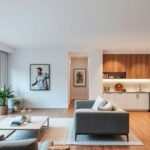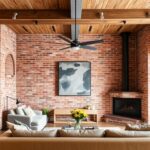


Studio zoning is not merely an aesthetic choice; it’s the fundamental bedrock upon which a truly productive and inspiring creative environment is built. Many artists, musicians, writers, and designers mistakenly believe that their creative output is solely dependent on innate talent or sheer willpower. However, the tangible, physical layout of their workspace—the deliberate arrangement and separation of functions—profoundly influences their focus, efficiency, and even the quality of their artistic endeavors. This deliberate partitioning of space, known as studio zoning, transforms a chaotic jumble of equipment and ideas into a harmonious, purpose-driven sanctuary. Ignoring this crucial element is akin to a chef attempting to prepare a gourmet meal in a kitchen with no distinct areas for prep, cooking, and plating.
- The Undeniable Impact of a Well-Zoned Studio
- Practical Zoning Strategies for Diverse Creative Spaces
- Furniture as Functional Dividers
- Visual and Auditory Separation Techniques
- The Role of Technology in Zoning
- Step-by-Step Guide to Implementing Studio Zoning
- Common Pitfalls to Avoid in Studio Zoning
- The Psychological Edge of Studio Zoning
- Frequently Asked Questions
- What is the primary benefit of studio zoning?
- How can I zone a small studio space effectively?
- Does studio zoning apply to non-creative professionals?
- What are the key elements to consider when designing studio zones?
- How often should I re-evaluate my studio zoning?
- Final Recommendations for Mastering Your Creative Sanctuary
The most potent creative sanctuaries aren’t born from luck, but meticulously designed through intelligent studio zoning.
The benefits of effective studio zoning extend far beyond mere tidiness. It’s about cultivating a psychological state conducive to deep work, minimizing distractions, and optimizing the flow of both physical and mental energy. When each area of your studio has a defined purpose—a zone for intensive creation, another for reflection or research, and perhaps a third for relaxation or client interaction—you create subtle yet powerful cues for your brain. These cues facilitate transitions between different mental states, allowing you to enter flow states more readily and exit them with greater ease, thereby enhancing overall productivity and reducing creative burnout.
The Undeniable Impact of a Well-Zoned Studio
When it comes to Studio Zoning, The concept of zoning a studio space draws parallels from numerous fields, from industrial design to urban planning, all of which emphasize the importance of functional separation for optimal performance. In a recording studio, for instance, the distinction between the control room and the live room is paramount. The control room, designed for acoustic isolation and precise monitoring, houses the mixing console and engineers, fostering an environment of critical listening and technical precision. The live room, conversely, is engineered for optimal acoustics for instrument performance, encouraging spontaneous creativity and capturing raw sound. This division isn’t arbitrary; it’s a direct response to the distinct needs of different stages of the audio production process.
Wikipedia: Contents — Wikipedia
In the context of Studio Zoning, Research consistently underscores the link between environment and cognitive function. Studies show that workspace design significantly impacts well-being and productivity. While these often focus on corporate environments, the principles are directly transferable to creative studios. Clutter and disorganization, often the result of poor zoning, have been linked to increased stress levels and decreased focus. Conversely, a structured and organized space can foster a sense of calm and control, freeing up mental bandwidth for creative tasks.
For example, a writer who has a dedicated desk for drafting, separate from a comfortable armchair for editing and contemplation, is more likely to maintain momentum and avoid the mental fatigue that comes from constantly shifting focus within a single, undifferentiated space.
Defining Your Creative Zones
The first, and arguably most critical, step in mastering studio zoning is a thorough self-assessment of your creative process and workflow. What are the distinct activities you engage in? Are you primarily a visual artist who needs ample flat surfaces and good lighting for painting, or a musician who requires dedicated acoustic treatment and instrument placement? A digital artist might need a zone optimized for computer work with ergonomic seating and minimal visual clutter, while a sculptor might require a robust, easily cleanable area with access to tools and materials.
Around Studio Zoning, Consider the flow of your work. Do you move from ideation to execution to review? Each of these stages might benefit from a dedicated zone. For instance, a writer’s ideation zone might be a comfortable sofa with a notepad, far from the computer, encouraging free association. The execution zone would be the primary workstation, optimized for typing and research. Finally, a review zone could be a standing desk or a different area of the room where the work can be viewed from a fresh perspective. This physical segregation helps demarcate mental shifts, making transitions smoother and more purposeful.
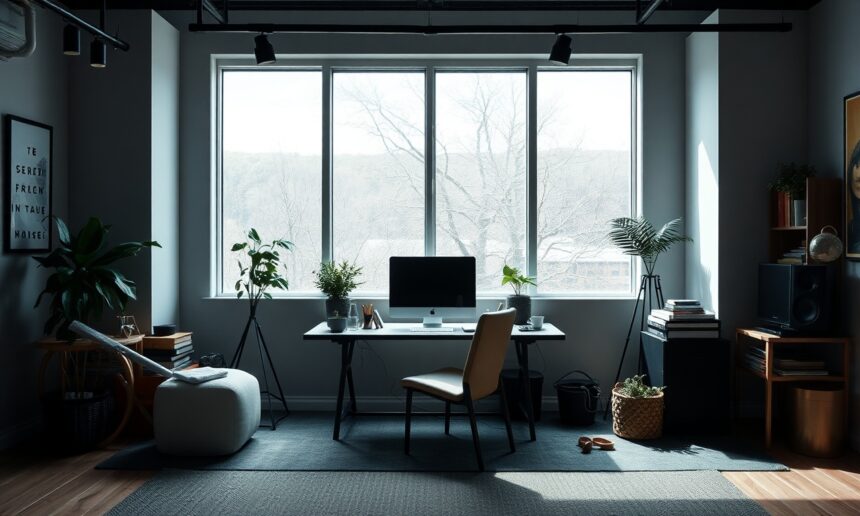
Regarding Studio Zoning, 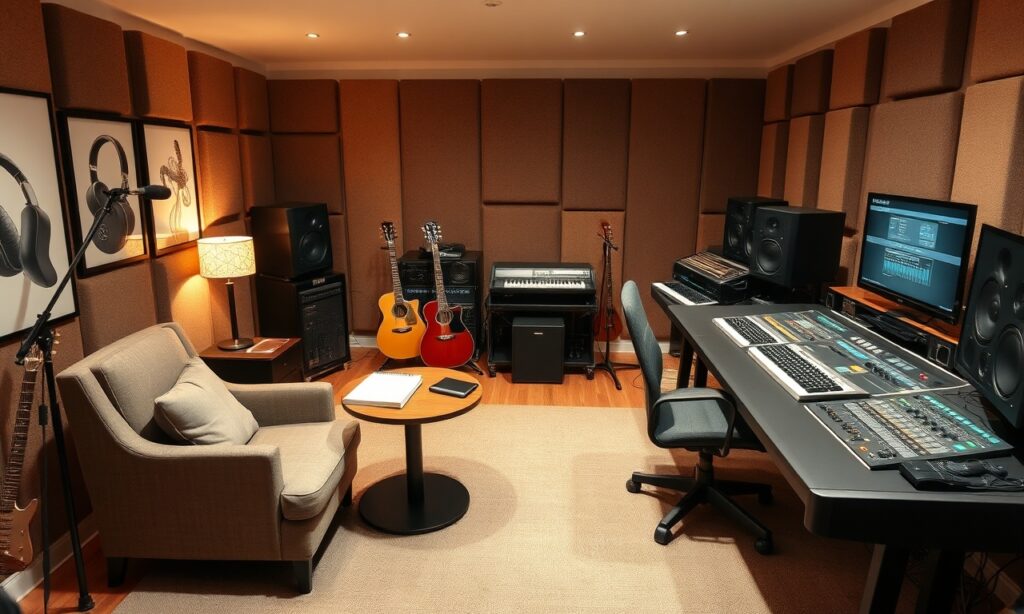
Practical Zoning Strategies for Diverse Creative Spaces
The approach to studio zoning will inevitably vary based on the size and nature of the creative space. For those with sprawling studios, the luxury of dedicated rooms for each function is a distinct possibility. However, for the majority, especially those working from home, clever partitioning within a single room is key. This can be achieved through various means, from furniture placement to the strategic use of visual dividers.
Furniture as Functional Dividers
When it comes to Studio Zoning, The arrangement of furniture is perhaps the most intuitive method of zoning. Placing a bookshelf or a large cabinet between your workspace and a relaxation area can create a clear visual and psychological barrier. For instance, a desk facing away from a communal area, perhaps with a room divider or a strategically placed plant, can signal a “do not disturb” zone for focused work. Similarly, arranging your instruments in a specific corner, perhaps with dedicated shelving for accessories, establishes an “instrumentation zone” that is instantly recognizable.
In the context of Studio Zoning, In smaller spaces, multi-functional furniture can be a lifesaver. A desk that can fold away, a storage ottoman that doubles as seating, or a modular shelving unit that can be reconfigured to create distinct areas can all contribute to effective zoning without sacrificing precious square footage. The key is to ensure that each piece of furniture serves a purpose within its designated zone.
Visual and Auditory Separation Techniques
Beyond furniture, other elements can enhance zoning. The use of different lighting schemes can subtly demarcate zones. Brighter, task-oriented lighting might illuminate your primary workspace, while softer, ambient lighting could define a relaxation or inspiration zone. Color psychology also plays a role; cooler tones might be more conducive to focus, while warmer tones can foster creativity and comfort.
Auditory zoning is equally important, especially in shared living spaces or noisy environments. Acoustic panels, heavy curtains, or even strategically placed rugs can absorb sound and reduce reverberation, creating a more controlled auditory environment. For musicians, this might involve investing in soundproofing materials for a dedicated recording area. For writers, it might simply mean ensuring their workspace is as far as possible from household traffic areas or appliances that generate noise.
The Role of Technology in Zoning
Technology can also be a powerful ally in studio zoning. Smart lighting systems can allow you to adjust the ambiance of different zones with a tap on your phone, transitioning from a bright, focused work light to a soft, inspiring glow. Noise-canceling headphones are a non-negotiable tool for anyone needing to block out external distractions and create an auditory sanctuary. Even the organization of your digital workspace—separate folders for different projects, distinct desktop backgrounds for different tasks—can be seen as a form of digital zoning that complements your physical environment.
Step-by-Step Guide to Implementing Studio Zoning
Mastering studio zoning is an iterative process, but following a structured approach can significantly streamline the journey.
- Analyze Your Workflow: Before moving any furniture, take a week to meticulously observe your creative habits. Where do you spend the most time? What activities are most crucial? What are your biggest distractions? Document everything. This forms the foundation of your zoning plan.
-
Identify Core Zones: Based on your analysis, define the essential zones for your creative practice. Common zones include:
- Creation/Production Zone: The primary area for focused work, equipped with essential tools and technology.
- Ideation/Inspiration Zone: A comfortable, distraction-free space for brainstorming, sketching, or reading.
- Review/Reflection Zone: An area to step back, evaluate your work, and gain perspective.
- Storage/Organization Zone: Dedicated space for materials, tools, and finished projects.
- Relaxation/Downtime Zone: A comfortable spot for breaks, mental resets, and de-stressing.
- Map Your Space: Sketch a layout of your studio. Consider the natural light, power outlets, and existing architectural features. Mentally (or physically, with masking tape) trial different furniture arrangements to see how they align with your identified zones. Prioritize the flow between zones.
- Implement Physical Dividers: Use furniture, room dividers, screens, or even rugs to visually and functionally separate your zones. Ensure these dividers don’t create oppressive or claustrophobic environments, especially in smaller spaces.
- Optimize Lighting and Acoustics: Adjust lighting to suit the function of each zone. Introduce acoustic treatments where necessary to manage sound. This might involve adding soft furnishings, acoustic panels, or even strategically placed plants.
- Organize Tools and Materials: Ensure each zone has readily accessible tools and materials relevant to its purpose. Implement effective storage solutions to keep clutter at bay. A place for everything, and everything in its place, is the mantra here.
- Test and Refine: Once your zones are established, use them consistently for at least two weeks. Pay attention to what works and what doesn’t. Are you easily transitioning between zones? Are distractions minimized? Be prepared to make adjustments; zoning is not a static process.
Common Pitfalls to Avoid in Studio Zoning
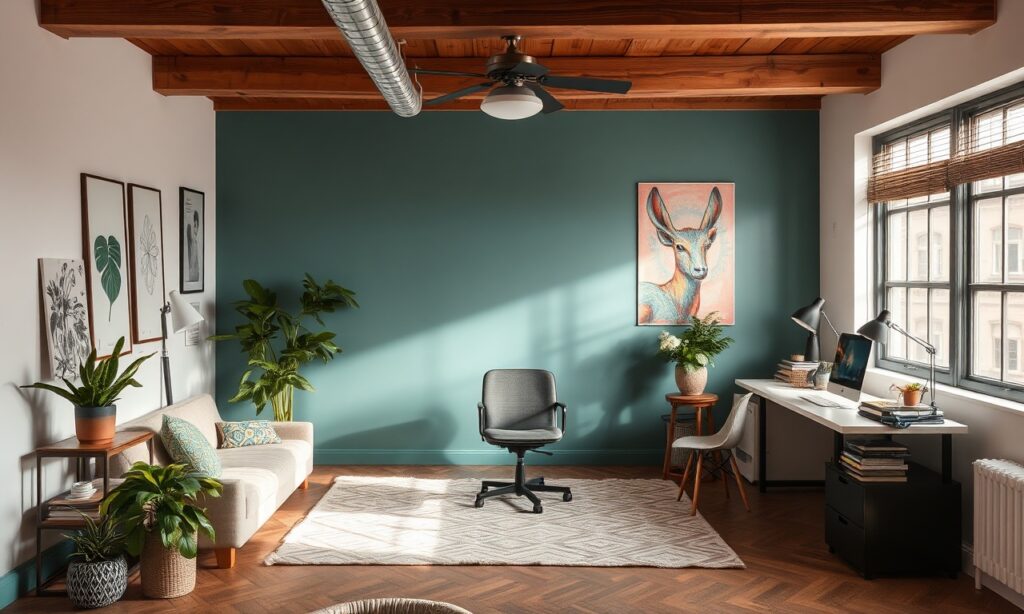
While the benefits of studio zoning are significant, there are several common mistakes that can undermine its effectiveness. Awareness of these pitfalls is the first step to avoiding them.
One prevalent issue is the tendency to over-zone, creating an environment that feels rigid and restrictive. A creative space should still allow for spontaneity and serendipity. If your zones are so rigidly defined that moving between them feels like a chore, it can stifle creativity rather than enhance it. The goal is to create clear boundaries, not impenetrable walls.
Another frequent error is insufficient consideration of workflow. Many individuals set up zones based on aesthetics rather than function. For example, placing a relaxation area directly next to the loudest piece of equipment might seem visually appealing, but it defeats the purpose of a tranquil downtime zone. Always prioritize how the space will actually be used.
Finally, neglecting the need for flexibility is a common oversight. Creative processes evolve, and your studio space should be able to adapt. Rigid, permanent structures or furniture arrangements can become a hindrance rather than a help over time. Opt for modularity and adaptability wherever possible.
The Psychological Edge of Studio Zoning
The impact of studio zoning extends beyond the tangible. It taps into the psychological principles of environmental psychology and behavioral conditioning. By associating specific physical spaces with particular activities, you train your brain to enter a desired mental state more readily. Walking into your “creation zone” can trigger a cascade of mental associations related to focus, problem-solving, and productivity, much like Pavlov’s dogs salivating at the sound of a bell.
This conditioning is incredibly powerful. A writer who always sits at the same desk for drafting will find their mind naturally shifts into a writing mode the moment they occupy that chair. Similarly, a musician who steps into a specifically treated acoustic space for practice will likely feel a greater sense of immersion and focus. This built-in psychological cue system reduces the mental friction associated with starting work, making it easier to overcome procrastination and enter a flow state. Research indicates that interruptions can significantly increase the time it takes to return to a task. Effective zoning minimizes these interruptions by creating distinct, purpose-driven areas.
Real-World Application: The Musician’s Haven
Consider a home recording artist. Their studio might be a single room in their house. Through zoning, they could create:
- The Performance Booth: A small, acoustically treated corner with a microphone stand, perfect for capturing vocals or acoustic instruments. This zone is designed for raw performance.
- The Control Center: A desk with their computer, audio interface, MIDI controller, and monitors. This is where the technical aspects of mixing and editing take place.
- The Listening Lounge: A comfortable chair positioned at a specific distance from the monitors, ideal for critical listening and evaluating mixes. This zone is about objective assessment.
- The Inspiration Nook: A small area with a whiteboard, a guitar stand, and some inspiring artwork, encouraging spontaneous songwriting.
By separating these functions, the musician can mentally switch gears more effectively. When they enter the performance booth, their focus is solely on delivering a great take. When they sit at the control center, they engage their analytical mind. When they relax in the listening lounge, they adopt a critical, objective perspective. This structured approach leads to more efficient workflow and higher-quality output.
Frequently Asked Questions
What is the primary benefit of studio zoning?
The primary benefit of studio zoning is the creation of a more focused, productive, and inspiring creative environment. By defining distinct areas for different activities, it minimizes distractions, facilitates mental transitions, and optimizes workflow, leading to enhanced creativity and efficiency.
How can I zone a small studio space effectively?
In small spaces, zoning relies heavily on clever furniture arrangement, multi-functional pieces, and the strategic use of visual dividers like screens or strategically placed plants. Utilizing different lighting schemes and organizing tools within designated zones are also crucial. The key is to create clear distinctions without making the space feel cramped.
Does studio zoning apply to non-creative professionals?
Absolutely. While often discussed in creative contexts, the principles of studio zoning are applicable to any profession that requires focused work and distinct task management. Professionals in fields like programming, research, writing, or even executive management can benefit from creating dedicated zones for deep work, collaboration, and reflection.
What are the key elements to consider when designing studio zones?
Key elements include analyzing your specific workflow and activities, identifying the essential zones needed, considering the flow between these zones, and implementing physical or visual dividers. Lighting, acoustics, and the accessibility of tools and materials relevant to each zone are also critical considerations.
How often should I re-evaluate my studio zoning?
It’s advisable to re-evaluate your studio zoning periodically, perhaps every 6-12 months, or whenever you notice a significant shift in your creative process or workflow. Creative needs can evolve, and your studio space should be flexible enough to adapt to these changes. Regular refinement ensures your sanctuary remains optimal.
Final Recommendations for Mastering Your Creative Sanctuary
Studio zoning is not a one-time setup; it’s an ongoing practice of cultivating a space that actively supports your creative journey. Embrace the process of experimentation and refinement. What works perfectly for one individual might require adjustments for another. The ultimate goal is to create a sanctuary that feels intuitively right for you, a place where your ideas can flourish unhindered by environmental friction.
Remember that your studio is a living, breathing entity, much like your creativity itself. It should evolve with you. Regularly assess its effectiveness, be open to making changes, and never be afraid to rearrange or repurpose spaces as your needs shift. By investing thought and effort into your studio zoning, you are not just organizing a room; you are architecting the very foundation of your creative success, transforming a mere workspace into a powerful engine for innovation and expression.
See also: Studio Zoning