

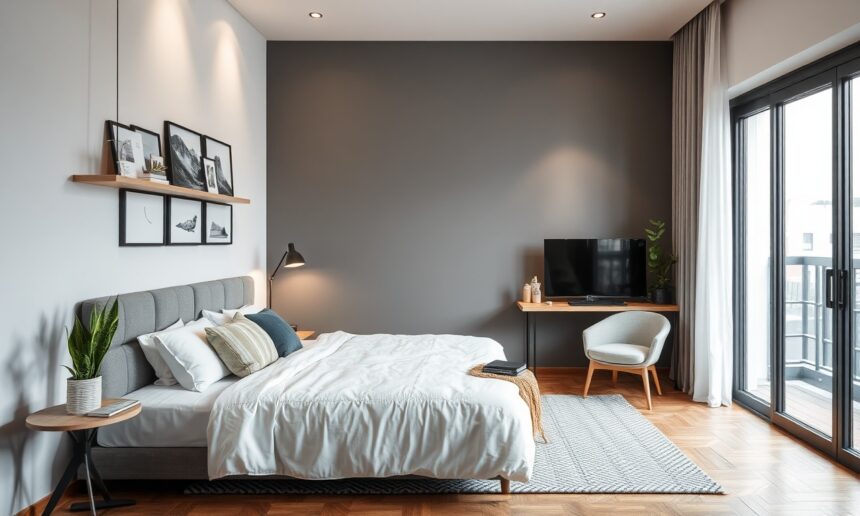
make the most of Your Compact Domain
Have you ever felt the subtle, yet persistent, squeeze of a smaller living space, yearning for a sense of expansiveness that seems just beyond reach? The modern studio apartment, a beloved archetype for urban dwellers and minimalist enthusiasts alike, presents a unique canvas. It’s a space where every square foot is precious, demanding not just clever organization, but a profound understanding of spatial design. Transforming a studio from a mere dwelling into a sanctuary of comfort and efficiency is an art form, a delicate dance between aesthetics and functionality. This isn’t about simply decluttering; it’s about strategically orchestrating your environment to foster a feeling of openness, purpose, and personal expression.
- make the most of Your Compact Domain
- The Foundation of a Functional Modern Studio: Zoning and Flow
- Furniture as a Multi-Functional Marvel
- Illusion of Space: Design Tricks for a Larger Feel
- Specific Layout Strategies for Modern Studios
- The ‘Open Concept with Defined Zones’ Approach
- The ‘Loft-Style’ Configuration
- The ‘Modular and Adaptable’ Layout
- Expert Insights and Pro-Cautions for Studio Living
- Maximizing Storage Without Sacrificing Style
- The Importance of Flow and Natural Light
- How can I make my modern studio feel more luxurious?
- What is the best way to separate a sleeping area in a studio?
- Can I have a dedicated dining area in a small studio?
- How do I deal with limited closet space in a studio?
- What colors are best for making a small studio feel bigger?
- Final Recommendations
Wikipedia: Contents — Wikipedia
The true mastery of a modern studio lies not in its size, but in the intelligent application of design principles to create an illusion of grandeur and flow.
The allure of the modern studio apartment is undeniable. They represent a lifestyle choice, often dictated by location, affordability, or a conscious embrace of a less-is-more philosophy. Yet, the inherent challenge of a singular, undivided living area can lead to feelings of confinement, lack of privacy, and a struggle to delineate distinct functional zones. This guide is crafted for those who see this constraint not as a limitation, but as an invitation to innovate. We will explore the strategic methodologies that seasoned designers and savvy homeowners employ to transform these compact quarters into remarkably spacious and highly livable environments.
Our focus will be on actionable insights, drawing from proven principles of interior architecture and psychology, to ensure your modern studio not only looks impressive but truly *feels* expansive and supportive of your daily life.
When it comes to Modern Studio, The perception of space is as crucial as the physical dimensions themselves. A well-designed studio can feel significantly larger than its actual footprint.
The Foundation of a Functional Modern Studio: Zoning and Flow
The cornerstone of any successful modern studio layout is the artful division of space, often referred to as “zoning.” Without the luxury of separate rooms, you must create distinct functional areas within the open-plan layout. This is achieved through a combination of furniture placement, visual cues, and strategic use of vertical space. The goal is to establish a seamless flow between these zones, ensuring that movement through the apartment feels natural and unhindered, rather than chaotic or cramped. Think of your studio not as one large box, but as a series of interconnected, purposeful environments.
Defining Functional Zones
In the context of Modern Studio, Establishing clear zones is the first, and perhaps most critical, step. Typically, a studio needs to accommodate at least a living area, a sleeping area, a workspace, and a dining space, alongside the kitchen and bathroom. The challenge lies in making these distinct without physical walls.
- Living Area: This is often the central hub. Furniture should be arranged to foster conversation and relaxation. Consider a comfortable sofa, a coffee table, and perhaps an accent chair.
- Sleeping Area: This is where privacy is often most desired. Strategic placement can help, but often requires more deliberate separation.
- Workspace: Even a small desk and chair can define a productive nook. Ensure it’s in an area with good natural light if possible.
- Dining Space: This can be as simple as a small table with chairs, a breakfast bar, or even a fold-down table.
Creating Visual Separation
Around Modern Studio, Physical walls are rarely an option, so visual cues become paramount. These can include:
- Area Rugs: A well-placed rug can anchor a living area or dining space, instantly defining its boundaries. Different rugs can signify different zones.
- Furniture Placement: The orientation of your sofa, the back of a bookshelf, or a strategically placed console table can act as subtle dividers.
- Lighting: Different types of lighting can define zones. Task lighting over a desk, ambient lighting in the living area, and softer lighting in the sleeping zone create distinct moods and functionalities.
- Color and Texture: While a cohesive palette is important, subtle shifts in wall color, accent walls, or the introduction of different textures in furniture or decor can visually delineate areas.
Furniture as a Multi-Functional Marvel
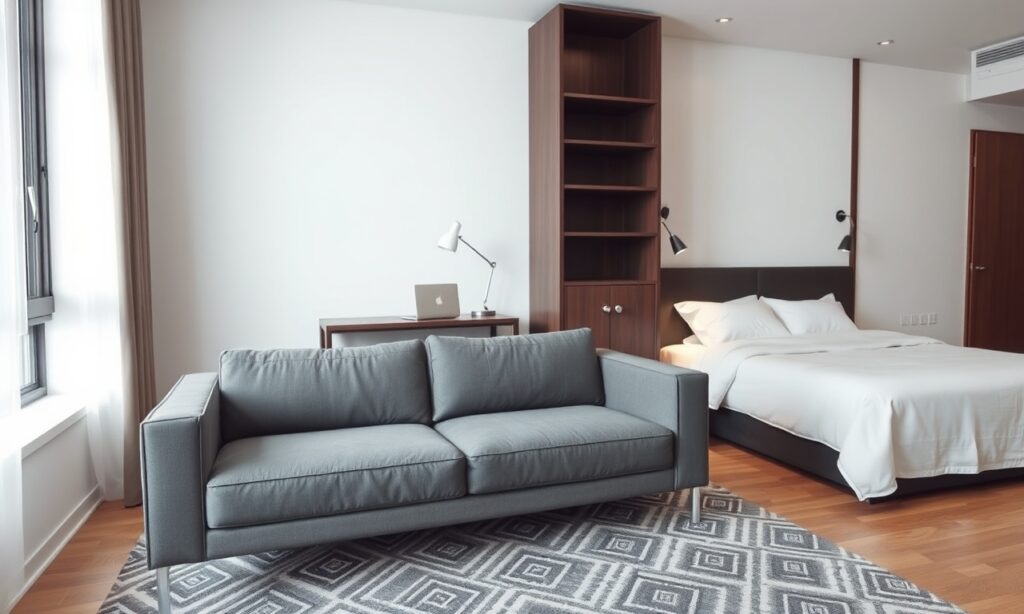
In a modern studio, furniture is more than just seating or storage; it’s a dynamic tool for maximizing utility and adaptability. Every piece should ideally serve multiple purposes, or at least contribute to the overall sense of spaciousness. Investing in smart, multi-functional furniture can revolutionize how you interact with your studio.
The Art of Multi-Purpose Pieces
Regarding Modern Studio, When space is at a premium, furniture that can transform or serve dual roles is indispensable.
- Sofa Beds: A classic for a reason, a comfortable sofa that converts into a bed is essential if you host overnight guests. Modern designs are often sleek and comfortable for daily use.
- Ottomans with Storage: These are incredibly versatile. They can serve as footrests, extra seating, coffee tables (with a tray), and crucially, as discreet storage for blankets, books, or entertainment accessories.
- Nesting Tables: A set of tables that tuck neatly under each other offers flexible surface area. Use them for drinks, snacks, or as temporary workstations, then stow them away to reclaim floor space.
- Expandable Dining Tables: A small table that can extend for guests is a space-saving revelation. For very tight spaces, consider a wall-mounted fold-down table.
- Storage Beds: Beds with built-in drawers or lift-up mechanisms are essential for storing linens, seasonal clothing, or seldom-used items.
Verticality: The Unsung Hero of Studio Living
Don’t let your walls go to waste. Utilizing vertical space is paramount in a modern studio. Think upwards to expand your usable area without encroaching on precious floor space.
- Tall Bookshelves and Wall Units: These can provide ample storage for books, decor, and even serve as room dividers when placed strategically. Opt for units that go all the way to the ceiling to maximize capacity.
- Floating Shelves: These are elegant and minimalist, perfect for displaying decor, storing essentials, or creating a small media console without the bulk of a full unit.
- Wall-Mounted Desks and Tables: As mentioned, fold-down or wall-mounted options are brilliant for creating temporary workspaces or dining areas that disappear when not in use.
- Hanging Storage: Utilize wall hooks, pegboards, or over-the-door organizers for everything from coats and bags to kitchen utensils and cleaning supplies.
Illusion of Space: Design Tricks for a Larger Feel
Beyond furniture and zoning, several design principles can trick the eye into perceiving more space than actually exists. These psychological hacks are fundamental to creating an airy and inviting modern studio.
Color Palette and Light
- Light and Neutral Colors: Lighter paint colors on walls and ceilings reflect light, making the space feel brighter and more open. Whites, creams, pale grays, and soft pastels are excellent choices.
- Monochromatic Schemes: Using variations of a single color can create a sense of continuity and make the space feel less broken up.
- Mirrors: Strategically placed mirrors are one of the most effective tools for creating the illusion of depth and light. A large mirror opposite a window can double the perceived light and space.
- Maximize Natural Light: Keep window treatments simple and sheer to allow as much natural light to penetrate as possible. Avoid heavy, dark curtains.
- Layered Lighting: As mentioned in zoning, a combination of ambient, task, and accent lighting prevents dark corners and makes the space feel more expansive and inviting.
Visual Lines and Transparency
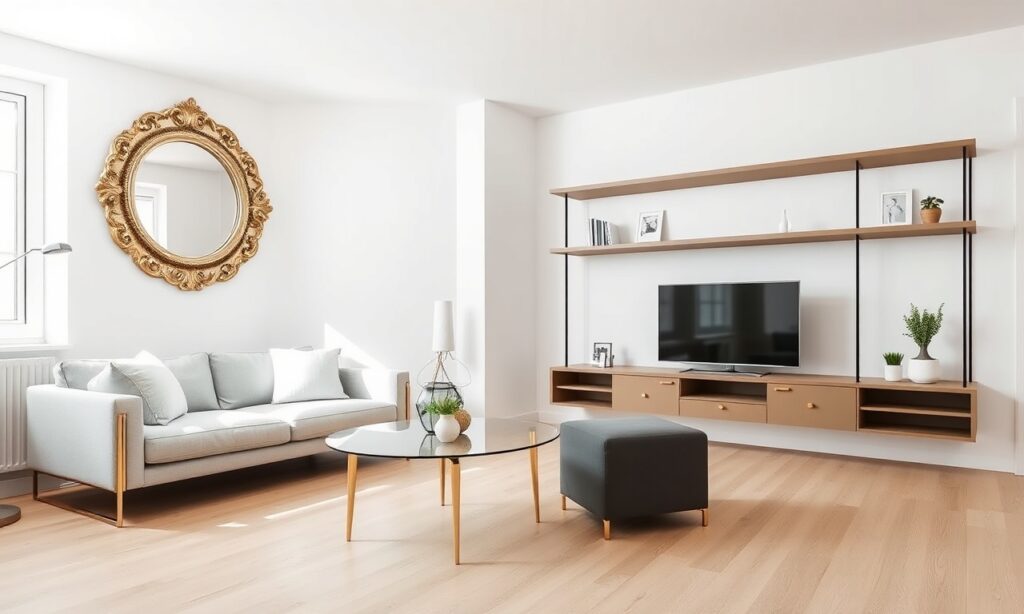
- See-Through Furniture: Pieces with glass tops or transparent legs (like acrylic chairs) create less visual obstruction, allowing the eye to travel through them, thus making the room feel larger.
- Leggy Furniture: Furniture with visible legs (sofas, chairs, tables) creates a sense of openness beneath them, making the room feel less heavy and more airy.
- Minimalist Decor: Avoid clutter. A few well-chosen, impactful decorative items are far more effective than numerous small knick-knacks, which can make a space feel busy and smaller.
- Consistent Flooring: Using the same flooring throughout the entire studio creates a sense of flow and continuity, preventing visual breaks that can make a space feel fragmented.
Specific Layout Strategies for Modern Studios
While general principles are crucial, specific layout configurations can dramatically impact the functionality and feel of your modern studio. Experimenting with these approaches can help you find the perfect arrangement for your unique needs and space.
The ‘Open Concept with Defined Zones’ Approach
When it comes to Modern Studio, This is perhaps the most common and effective strategy. It involves using furniture, rugs, and subtle visual cues to create distinct areas without physical barriers.
- Living Area Placement: Position your sofa to face a key focal point, like a window or entertainment unit. Use an area rug to define this zone.
- Sleeping Area Integration: If privacy is paramount, consider positioning the bed in a corner or using a room divider (a bookshelf, a decorative screen, or even a tall plant). Alternatively, a well-designed murphy bed can be completely concealed during the day.
- Workspace Nook: A small desk can be tucked into a corner, under a window, or even integrated into a shelving unit.
The ‘Loft-Style’ Configuration
In the context of Modern Studio, This approach embraces the open nature of the studio, often with a slightly more industrial or minimalist aesthetic. It relies heavily on smart furniture choices and an organized, uncluttered presentation.
- Centralized Living: The living area might be the true heart of the space, with other functions radiating outwards or subtly integrated.
- Minimalist Dividers: Instead of solid screens, consider open shelving units or even strategically placed large plants to delineate areas without blocking light or airflow.
- Focus on Flow: Emphasize clear pathways for movement. This style thrives on an almost gallery-like openness.
The ‘Modular and Adaptable’ Layout
Around Modern Studio, This strategy is ideal for those who require flexibility. It involves furniture that can be easily reconfigured or adapted to different needs throughout the day.
- Movable Furniture: Consider pieces on casters, like small tables or storage units, that can be easily rearranged.
- Foldable and Collapsible Items: Fold-down tables, chairs that stack neatly, or even a bed that can be tucked away (like a murphy bed) are key here.
- Multi-Functional Hubs: A central island or a large console table can serve as a dining surface, a workspace, or even a place to prepare food.
Expert Insights and Pro-Cautions for Studio Living
Regarding Modern Studio, handling the challenges of studio living requires a blend of creative problem-solving and practical awareness. Drawing on the experience of designers and those who have mastered small-space living can provide invaluable guidance.
The psychological impact of a cluttered environment cannot be overstated. Studies have shown that clutter can increase stress hormones like cortisol and negatively impact cognitive function. Research published in *Psychological Science* found that women who described their homes as cluttered reported higher levels of depression and fatigue. This underscores the importance of not just organization, but a deliberate effort to maintain an uncluttered aesthetic in a modern studio.
Maximizing Storage Without Sacrificing Style
Storage is the perennial challenge in any dwelling, but it becomes a critical design element in a modern studio. The key is to integrate storage solutions seamlessly, so they enhance, rather than detract from, the overall aesthetic.
Hidden and Integrated Storage
The best storage is often the kind that disappears.
- Built-in Niches and Alcoves: If your studio has any existing architectural features, like alcoves, leverage them for built-in shelving or cabinets.
- Under-Furniture Storage: Utilize the space under beds, sofas, and consoles with drawers or storage boxes.
- Cabinetry that Blends In: Opt for cabinetry with a clean, minimalist design that matches your wall color to make it recede visually. Handle-less designs or push-to-open mechanisms contribute to a seamless look.
Smart Open Storage Solutions
When it comes to Modern Studio, While hidden storage is ideal, open storage can be functional and stylish when managed well.
- Curated Displays: Use open shelving to display a few select decorative items, plants, or books. Keep it edited and intentional.
- Modular Systems: Consider modular shelving units that can be adapted and reconfigured as your needs change.
- Vertical Organizers: Pegboards, wall-mounted organizers, and tiered shelves can make excellent use of vertical wall space for smaller items.
The Importance of Flow and Natural Light
In the context of Modern Studio, Two often-overlooked elements that profoundly impact the perception of space are the flow of movement through the apartment and the presence of natural light.
Ensuring Seamless Movement
Around Modern Studio, A studio should feel easy to navigate. This means ensuring clear pathways between furniture and avoiding obstructions. Regularly assess your layout to ensure you can move freely from your bed to the kitchen, or from your desk to the door, without having to squeeze past furniture. This sense of unimpeded movement contributes significantly to the feeling of spaciousness.
Harnessing Natural Light
Natural light is a studio’s best friend. It makes spaces feel larger, more welcoming, and more vibrant.
- Window Treatments: Opt for light, sheer curtains or blinds that can be easily opened. Avoid heavy drapery that can block light and make the room feel darker and smaller.
- Mirror Placement: As previously mentioned, mirrors opposite windows are incredibly effective at reflecting and amplifying natural light.
- Furniture Arrangement: Position your primary seating areas to take advantage of natural light. Avoid placing large furniture pieces directly in front of windows.
How can I make my modern studio feel more luxurious?
Achieving a luxurious feel in a modern studio is about elevated details and intentional design. Focus on high-quality materials, such as velvet upholstery, polished metal accents, or a rich wood finish. Invest in good lighting – layered ambient, task, and accent lights create atmosphere. Incorporate statement pieces, like an artful rug or a unique piece of furniture. Keep surfaces uncluttered and opt for sophisticated color palettes. Finally, paying attention to details like plush textiles (throws, cushions) and subtle scents can elevate the overall ambiance.
What is the best way to separate a sleeping area in a studio?
Several effective methods exist for separating a sleeping area: a stylish room divider (like a slatted wood screen or a decorative metal panel), a tall bookshelf that acts as both storage and a visual barrier, a floor-to-ceiling curtain that can be drawn for privacy, or even a strategically placed large plant or a grouping of potted plants. For a more permanent solution, consider a half-wall or a sliding door system if your budget and building allow.
Can I have a dedicated dining area in a small studio?
Absolutely. Even in the smallest studio, a dedicated dining area is achievable. Consider a compact round table with two chairs, a breakfast bar that extends from your kitchen counter or a wall, or a fold-down wall-mounted table that can be tucked away when not in use. Bar stools that can be stored under a counter are also excellent space-savers.
How do I deal with limited closet space in a studio?
Limited closet space requires creative solutions. Utilize vertical storage within existing closets by adding shelves or hanging organizers. Invest in furniture with built-in storage, such as a bed with drawers or an ottoman with hidden compartments. Freestanding wardrobes or open clothing racks can also be stylish and functional additions. Wall-mounted hooks and shelves for shoes, bags, and accessories are essential. Regular decluttering and a minimalist approach to wardrobe are also key.
What colors are best for making a small studio feel bigger?
Light and neutral colors are your best allies. Whites, off-whites, creams, pale grays, and soft pastels reflect light and create an airy, expansive feel. A monochromatic color scheme, using various shades of a single color, can also enhance the sense of space by creating visual continuity. Using the same color for walls, trim, and even some furniture can blur boundaries and make the room feel larger.
Final Recommendations
Mastering the modern studio apartment is an exercise in intentionality and intelligent design. By embracing strategic zoning, investing in multi-functional furniture, and employing visual tricks to enhance perceived space, you can transform even the most compact dwelling into a comfortable, stylish, and highly livable home. Remember that every element, from the color of your walls to the type of lighting you choose, plays a role in shaping your experience of the space. Prioritize flow, light, and adaptability, and you will unlock the true potential of your modern studio, proving that a smaller footprint can indeed lead to a richer, more organized, and more fulfilling life.
See also: Modern Studio