

The Enduring Allure of Rustic Brick
There’s an undeniable, visceral connection we forge with spaces that speak of history, authenticity, and unpretentious beauty. Walk into a room with exposed brick walls, and you’re not just entering a physical space; you’re stepping into a narrative, a story whispered through the textures and hues of aged material. This is the magic of the rustic brick living room. It’s a design choice that transcends fleeting trends, offering a foundation of warmth, character, and unparalleled coziness. For decades, designers and homeowners alike have been drawn to the raw, honest appeal of brick, transforming ordinary living spaces into inviting havens.
- The Enduring Allure of Rustic Brick
- Understanding the Essence of Rustic Brick
- The Power of Exposed Brick: Design Considerations
- Integrating Rustic Brick: Beyond the Accent Wall
- Furnishing and Decorating a Rustic Brick Living Room
- Maintaining and Caring for Rustic Brick
- Case Study: The Urban Loft Transformation
- Frequently Asked Questions
- What is the best way to clean rustic brick walls in a living room?
- Can I paint over rustic brick if I don’t like the color?
- How do I prevent moisture damage or efflorescence on my rustic brick living room walls?
- What kind of flooring complements a rustic brick living room best?
- Final Recommendations for Your Rustic Brick Oasis
Wikipedia: Contents — Wikipedia
But what exactly is it about rustic brick that commands such enduring affection, and how can one effectively harness its power to create a truly exceptional living room?
The inherent character of rustic brick doesn’t just adorn a room; it becomes its soul, imbuing every moment spent within its embrace with a sense of grounded authenticity.
This guide aims to demystify the art of incorporating rustic brick into your living room, moving beyond superficial aesthetics to explore the deeper implications of material choice, design synergy, and the creation of spaces that resonate with genuine comfort and style. We’ll explore the nuances of selecting the right brick, understanding its textural impact, and harmonizing it with complementary elements to craft a living room that is both a personal sanctuary and proof of enduring design principles.
Understanding the Essence of Rustic Brick
At its core, “rustic brick” evokes a sense of age, imperfection, and natural beauty. Unlike the uniform, precisely manufactured bricks of modern construction, rustic brick often features variations in color, texture, and even shape. This could stem from reclaimed bricks, which carry the patina of their previous life, or from bricks intentionally designed to mimic historical imperfections. The appeal lies in this very character. Each brick tells a story, contributing a unique visual element that mass-produced materials simply cannot replicate. This inherent variability means that no two rustic brick walls are ever identical, ensuring a truly bespoke feel for your living room.
The spectrum of rustic brick is surprisingly broad. You might encounter deep, earthy reds and browns, the muted tones of aged terracotta, or even the striking greys and whites of weathered or painted brick. The texture can range from smooth and worn to rough and heavily pitted. Understanding this range is the first step in selecting the brick that best aligns with your desired aesthetic. Are you aiming for a rugged, industrial vibe, or a softer, more traditional country feel? The choice of brick will significantly influence the overall mood and character of your living room.
The Power of Exposed Brick: Design Considerations
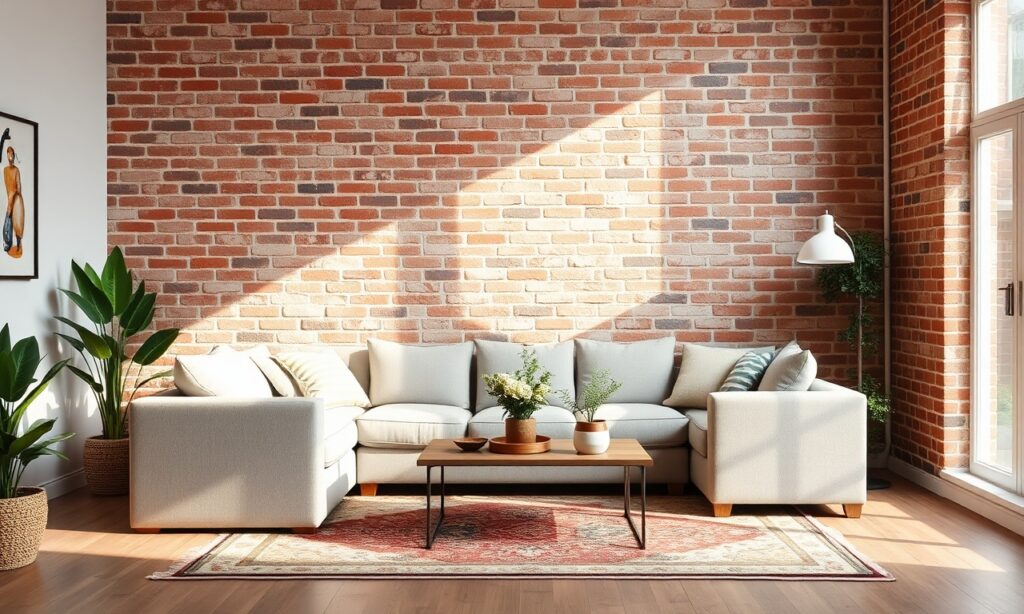
The decision to expose brick in a living room is often driven by a desire for immediate character and a departure from conventional wall finishes. When done thoughtfully, exposed brick can serve as a stunning focal point, a dramatic backdrop, or an integrated element that defines the room’s architectural personality. The impact of exposed brick is multifaceted, influencing not only visual appeal but also the acoustic properties and the tactile experience of the space.
One of the most significant advantages of exposed brick is its ability to add depth and dimension. Flat, painted walls, while clean and modern, can sometimes feel sterile. Exposed brick, with its natural undulations and varied tones, introduces a visual richness that draws the eye and creates a more engaging environment. Furthermore, brick has inherent sound-dampening qualities, which can contribute to a more comfortable and acoustically balanced living room, reducing echo and creating a cozier atmosphere.
Selecting the Right Rustic Brick for Your Space
The journey to a rustic brick living room begins with a crucial decision: what type of brick will you use? This choice will fundamentally shape the aesthetic and feel of your space.
- Reclaimed Bricks: These are bricks salvaged from old buildings, offering unparalleled character and a rich history. Their imperfections – chips, variations in size, and faded colors – are their greatest assets, lending an authentic, time-worn charm. However, they can be more expensive and may require careful cleaning and sealing.
- New Bricks with a Rustic Finish: Many manufacturers now produce new bricks designed to replicate the look and feel of aged bricks. These offer consistency in size and quality while still providing the desired rustic aesthetic. They are often more readily available and can be a more budget-friendly option.
- Thin Brick Veneer: For those seeking the look of brick without the structural implications or thickness of full bricks, thin brick veneer is an excellent choice. These are essentially slices of brick applied to a substrate, providing a convincing brick facade with less weight and depth.
The color palette of the brick is another critical factor. While traditional red bricks are a popular choice, don’t overlook the sophisticated appeal of grey, white, or even black rustic bricks. These can offer a more contemporary or minimalist take on the rustic theme, allowing for greater flexibility in surrounding décor.
Harmonizing Textures and Colors
The beauty of rustic brick lies in its inherent texture and earthy tones, but achieving a balanced and aesthetically pleasing living room requires careful consideration of how these elements interact with other materials and colors.
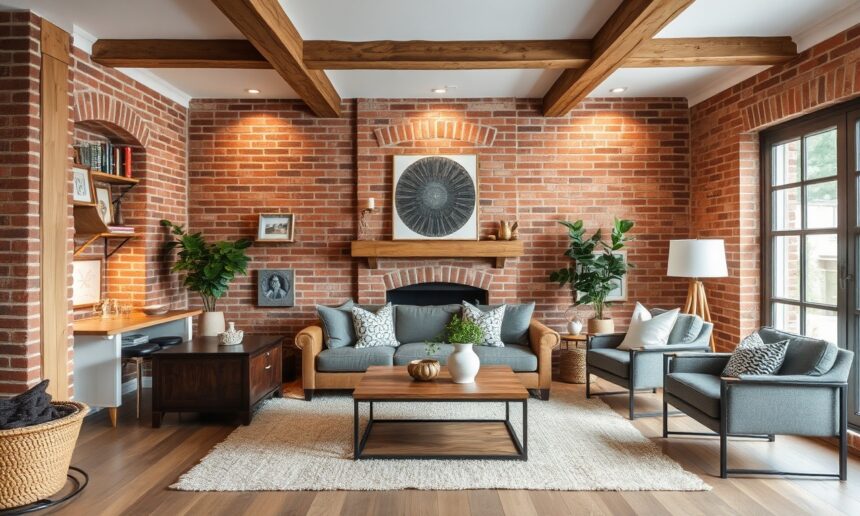
The contrast between the rough, tactile nature of brick and softer, more refined materials can be particularly striking. Imagine pairing a rugged brick wall with plush velvet upholstery, smooth leather armchairs, or flowing linen curtains. This interplay of textures adds depth and visual interest, preventing the space from feeling too one-dimensional. Natural materials like wood, metal, and stone also pair exceptionally well with rustic brick, enhancing the organic and grounded feel of the room.
When it comes to color, rustic brick provides a versatile foundation. Its warm, earthy tones act as a natural complement to a wide range of palettes. For a classic, cozy look, consider warm neutrals like cream, beige, and soft browns. These colors enhance the brick’s inherent warmth and create an inviting atmosphere. For a more dramatic or contemporary feel, bold accent colors like deep blues, emerald greens, or even charcoal grey can provide a striking contrast, making the brick pop.
Integrating Rustic Brick: Beyond the Accent Wall
While an exposed brick accent wall is a popular and effective way to introduce rustic brick into a living room, its application can be far more nuanced and integrated. Consider the possibilities of a full brick enclosure or strategic use of brick elements that extend beyond a single wall.
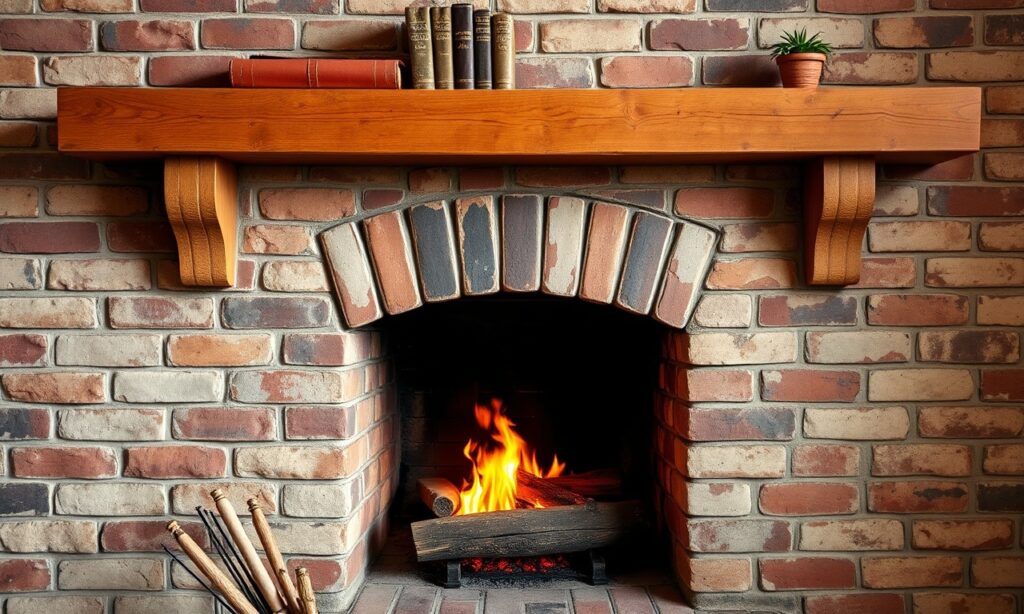
A living room where all four walls are clad in rustic brick can create an immersive, enveloping experience. This approach is particularly effective in larger spaces, where it can prevent the room from feeling cavernous and instead imbue it with a sense of historical depth and robust character. However, in smaller rooms, a full brick treatment can feel overwhelming. In such cases, consider using brick strategically, perhaps on a fireplace surround, a half-wall, or even as a subtle wainscoting.
Beyond walls, brick can be incorporated through architectural details. Think of brick archways, built-in shelving units with brick accents, or even a brick flooring element. These details, when thoughtfully integrated, can tie the entire design together, creating a cohesive and richly textured environment. The key is to ensure that the brickwork feels like an intentional and integral part of the design, rather than an afterthought.
Furnishing and Decorating a Rustic Brick Living Room
The furniture and décor you choose for a rustic brick living room should complement, rather than compete with, the inherent character of the brick. The goal is to create a harmonious balance that enhances the room’s natural charm and provides comfort and functionality.
Furniture Choices
Opt for furniture that echoes the rustic theme or provides a pleasing contrast. Pieces made from natural materials like solid wood, distressed leather, and wrought iron work exceptionally well. Think of a substantial oak coffee table, a deep leather sofa with a worn patina, or a vintage metal shelving unit. These items possess a timeless quality that resonates with the enduring appeal of brick.
For seating, consider plush, comfortable sofas and armchairs. Textures like chenille, tweed, and natural linen can add a layer of softness and coziness that beautifully counterbalances the ruggedness of brick. If you’ve opted for a more industrial-inspired brick wall, a few sleek, modern pieces can create an interesting juxtaposition, highlighting the brick’s raw texture.
Lighting and Accessories
Lighting matter significantly in bringing out the best in a rustic brick living room. Warm, ambient lighting is essential for creating a cozy and inviting atmosphere. Consider using a mix of light sources, including floor lamps, table lamps, and perhaps even some strategically placed wall sconces. Dimmers are invaluable for adjusting the mood. Exposed filament bulbs, industrial-style fixtures, and lanterns can further enhance the rustic aesthetic.
Accessories should be chosen with care to enhance the narrative of the space. Think of woven baskets for storage, vintage rugs with intricate patterns, handcrafted ceramics, and artwork that complements the earthy color palette. Greenery, in the form of potted plants, can add a refreshing touch of life and vibrant color against the backdrop of brick.
The Importance of Balance
It’s crucial to maintain a sense of balance. While embracing the rustic charm of brick, avoid overwhelming the space with too many rough textures or dark colors. Incorporating lighter elements, such as white or cream textiles, pale wood accents, and reflective surfaces like mirrors or polished metal, can help to brighten the room and prevent it from feeling too heavy.
Maintaining and Caring for Rustic Brick
Rustic brick, particularly when exposed, requires a degree of care to maintain its aesthetic appeal and longevity. Understanding the best practices for cleaning and protection is essential.
Cleaning
The cleaning needs of rustic brick will vary depending on its condition and whether it’s sealed. For unsealed brick, a gentle approach is usually best. A soft-bristled brush and a mild soap solution can often remove surface dust and grime. For more stubborn stains, specialized brick cleaners are available, but it’s always advisable to test them in an inconspicuous area first to avoid discoloration. Avoid using harsh chemicals or abrasive scrubbers, which can damage the brick’s surface.
If your brick has been sealed, cleaning becomes somewhat simpler, as the sealant provides a protective barrier. A damp cloth or a mild cleaning solution should suffice for most routine cleaning.
Sealing
Sealing rustic brick can offer several benefits, including protection against moisture, stains, and efflorescence (the white, powdery deposit that can sometimes appear on brick surfaces). A breathable, penetrating sealant is generally recommended, as it will protect the brick without trapping moisture. The type of sealant and the application method will depend on the specific type of brick and its condition. Consulting with a masonry professional is advisable before sealing, especially for historical or reclaimed bricks, to ensure the correct product is used.
Regular dusting and occasional gentle cleaning will help maintain the visual appeal of your rustic brick living room. Pay attention to grout lines, as these can accumulate dust and debris over time. A vacuum cleaner with a brush attachment can be effective for removing loose particles from both the brick and the mortar.
Case Study: The Urban Loft Transformation
Consider the popular trend of converting industrial warehouses into residential lofts. A hallmark of these transformations is the preservation and exposure of original brickwork. In one such project, a sprawling urban loft living room featured vast expanses of original, slightly weathered red brick on its exterior walls. The designers decided to embrace this industrial heritage rather than conceal it. They paired the exposed brick with polished concrete floors, large black-framed windows that offered city views, and a mix of mid-century modern and contemporary furniture.
The furniture included a charcoal grey modular sofa, a sleek leather armchair, and a minimalist wooden coffee table. Lighting was achieved through a combination of track lighting that highlighted the brick’s texture and industrial-style pendant lamps. Accessories were kept to a minimum, focusing on large-scale abstract art and a few strategically placed plants. The result was a living room that felt both raw and sophisticated, where the inherent character of the rustic brick served as the undeniable anchor of the design. This example demonstrates how rustic brick can provide a compelling narrative for a space, even in a distinctly modern context.
Frequently Asked Questions
What is the best way to clean rustic brick walls in a living room?
For general cleaning, a soft-bristled brush and a mild soap solution are usually sufficient. For tougher stains, consider a specialized brick cleaner, but always test it in an inconspicuous area first. Avoid abrasive materials or harsh chemicals that could damage the brick or mortar. Regular dusting with a microfiber cloth or a vacuum with a brush attachment is also recommended.
Can I paint over rustic brick if I don’t like the color?
Yes, you can paint rustic brick, but it’s a decision that should not be taken lightly, as it’s a permanent alteration. If you choose to paint, ensure the brick is clean and dry, and use a masonry primer followed by a high-quality masonry paint. Painting can diminish the natural texture and character of the brick, so consider this carefully. Some prefer to use limewash or whitewash for a more subtle, breathable finish that still allows some of the brick’s texture to show through.
How do I prevent moisture damage or efflorescence on my rustic brick living room walls?
Proper sealing with a breathable, penetrating sealant is key. Ensure good ventilation in the room, especially if the brick is an exterior wall. Address any plumbing leaks or sources of excessive moisture immediately. Efflorescence can sometimes be cleaned with a specialized solution, but preventing it through proper sealing and moisture control is the most effective approach.
What kind of flooring complements a rustic brick living room best?
Natural materials are your best bet. Hardwood floors, whether distressed or smooth, provide warmth and a classic pairing. Concrete floors offer a more industrial or modern edge, creating a striking contrast with the brick. Natural stone tiles or even a well-chosen area rug can also work beautifully, adding texture and defining seating areas.
Final Recommendations for Your Rustic Brick Oasis
Embracing rustic brick in your living room is an investment in timeless design and enduring comfort. It’s about creating a space that feels both grounded and inviting, rich with character and personal history. Whether you opt for a dramatic full brick enclosure, a subtle accent wall, or integrated architectural details, the key lies in thoughtful selection and harmonious integration.
Focus on the interplay of textures, allowing the ruggedness of brick to be softened by plush furnishings and natural materials. Use lighting to accentuate its character and create a warm, inviting ambiance. Remember that the most successful rustic brick living rooms are those where the material feels like an intrinsic part of the narrative, contributing to a sense of authenticity and enduring beauty. By understanding the nuances of brick selection, design principles, and proper care, you can transform your living room into a truly exceptional sanctuary that will be cherished for years to come.
See also: Rustic Brick