

Minimalist Studio: The Allure of Intentional Space
Does the idea of a living space that breathes calm, fosters focus, and elegantly simplifies your life truly resonate with you? In a world perpetually clamoring for our attention, the concept of a minimalist studio layout offers not just an aesthetic choice, but a profound philosophical approach to living. It’s about stripping away the extraneous to reveal the essential, curating a sanctuary where functionality meets profound peace. Yet, the path to achieving this elusive ideal is often paved with more questions than answers. What are the genuine benefits, beyond the Instagram-worthy visuals? How does one navigate the practicalities of limited space while adhering to strict aesthetic tenets?
- Minimalist Studio: The Allure of Intentional Space
- Genius Analysis: The Art of Functional Minimalism
- The Power of Multi-Functional Furniture
- Strategic Storage Solutions: Hiding in Plain Sight (and Out of Sight)
- The Crucial Role of Color and Light
- The Honest Truths: Challenges and Misconceptions
- Challenge 1: The “Less is More” Paradox
- Challenge 2: The Perception of Deprivation vs. Intentionality
- Challenge 3: The Practicalities of Limited Space
- Misconception 1: Minimalism is Only for the Wealthy
- Misconception 2: A Minimalist Studio Lacks Personality
- Mastering the Minimalist Studio: A Step-by-Step Guide
- The Future of Minimalist Living: Evolving Concepts
- Frequently Asked Questions
- What is the primary difference between minimalism and extreme decluttering?
- How can I make my small studio feel larger with minimalist design?
- Is it possible to incorporate personal hobbies and collections into a minimalist studio?
- What are some common pitfalls to avoid when designing a minimalist studio?
- How often should I re-evaluate my minimalist studio to maintain its effectiveness?
- Final Recommendations for Your Minimalist Studio Journey
Wikipedia: Contents — Wikipedia
This exploration explore the honest truths and genius analyses behind creating a truly effective and soul-satisfying minimalist studio.
The true essence of minimalist studio living lies not in deprivation, but in the intentional amplification of what truly matters.
The Core Philosophy: More Than Just Aesthetics
At its heart, a minimalist studio isn’t merely about decluttering surfaces; it’s a conscious decision to live with less, but to live better. This philosophy, deeply rooted in movements like Japanese Zen and Scandinavian design, posits that by reducing visual and physical clutter, we liberate mental space. This liberation can translate into enhanced creativity, improved productivity, and a palpable sense of tranquility. The minimalist studio, therefore, becomes a canvas for a more deliberate and mindful existence, where every object serves a purpose, whether functional or emotional, and contributes to an overarching sense of harmony. It’s a rejection of consumerism for its own sake, favoring quality over quantity and intention over impulse.
Understanding the Multifaceted Benefits
The advantages of a well-executed minimalist studio layout extend far beyond mere visual appeal. Psychologically, it can significantly reduce stress and anxiety. Studies have shown a direct correlation between clutter and elevated cortisol levels, the body’s primary stress hormone. Research suggests a cluttered environment can hinder the brain’s ability to process information, leading to feelings of overwhelm and reduced cognitive function. Conversely, a streamlined space promotes clarity and focus. From a practical standpoint, maintaining a minimalist studio is remarkably easier. Less stuff means less to clean, organize, and manage, freeing up valuable time and energy for pursuits that genuinely enrich life.
Furthermore, the deliberate selection of fewer, higher-quality items often leads to greater satisfaction and a deeper appreciation for one’s possessions.
Minimalist studio design is a powerful antidote to the modern condition of overstimulation, fostering a return to intentionality and mindful living.
Genius Analysis: The Art of Functional Minimalism
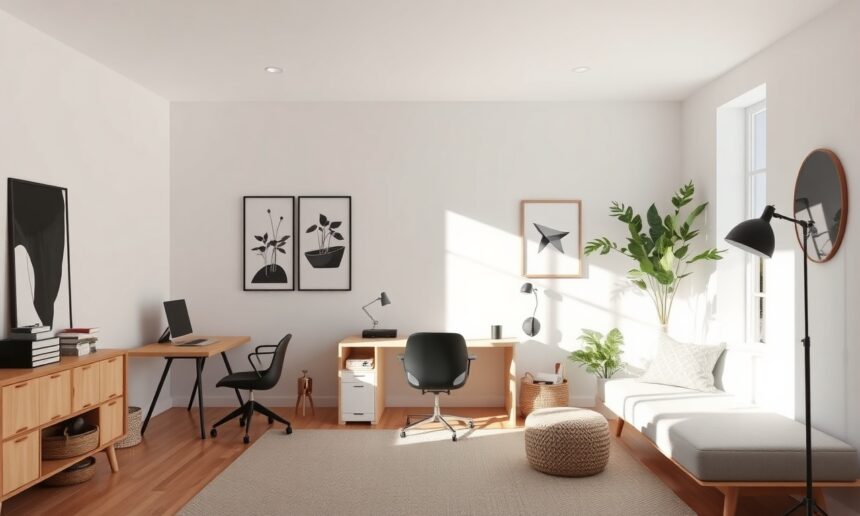
Achieving a truly functional minimalist studio requires a strategic approach that balances aesthetic principles with the practical demands of daily life. It’s an intricate dance between form and function, where every design choice is deliberate and serves a purpose. The genius lies in understanding how to maximize a limited footprint without sacrificing comfort or usability. This involves clever storage solutions, multi-functional furniture, and a keen eye for visual flow.
The Power of Multi-Functional Furniture
In a studio apartment, furniture that serves multiple purposes is not a luxury; it’s a necessity. Think of a sofa bed that effortlessly transforms into a comfortable sleeping area, or a coffee table that lifts to become a dining surface. Ottomans with hidden storage, expandable dining tables, and wall-mounted desks that fold away are invaluable assets. These pieces are the workhorses of minimalist living, allowing a single space to transition seamlessly between different activities – working, dining, relaxing, and sleeping – without feeling cramped or chaotic. The key is to invest in pieces that are not only versatile but also aesthetically pleasing and well-constructed, aligning with the minimalist ethos of quality over quantity.
Strategic Storage Solutions: Hiding in Plain Sight (and Out of Sight)
Effective storage is the unsung hero of any minimalist studio. The goal is to keep essentials organized and out of view, maintaining clean lines and a sense of spaciousness. Built-in shelving, floor-to-ceiling cabinets, and under-bed storage are excellent options. Consider vertical space utilization; wall-mounted shelves and cabinets can dramatically increase storage capacity without encroaching on floor space. Opt for storage solutions with clean, minimalist designs that blend into the walls or furniture. For items that need to be accessible, such as books or decorative pieces, curated open shelving can add visual interest without creating clutter. The principle is to create designated homes for everything, ensuring that putting items away is as effortless as taking them out.
The Crucial Role of Color and Light
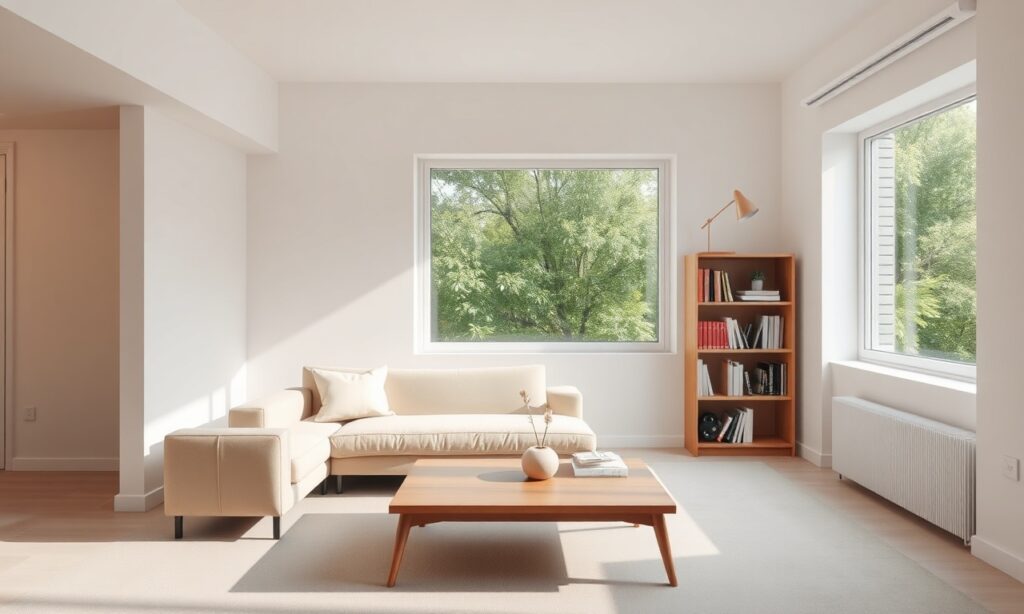
The color palette and lighting in a minimalist studio matter significantly in defining its atmosphere and perceived spaciousness. Neutral tones – whites, grays, beiges, and soft pastels – are the cornerstone of minimalist design. They reflect light beautifully, making the space feel larger and more open. Limiting the color palette also creates a sense of visual calm and cohesion. Natural light is paramount; maximizing it through sheer curtains or by keeping windows unobstructed can transform a small space. Supplementing natural light with layered artificial lighting – ambient, task, and accent lighting – ensures the studio feels inviting and functional at all times of the day. Strategically placed mirrors can also amplify light and create an illusion of greater depth.
The Honest Truths: Challenges and Misconceptions
While the allure of a minimalist studio is undeniable, it’s crucial to address the inherent challenges and common misconceptions that often accompany this lifestyle. It’s not always the effortless, picture-perfect existence portrayed in media.
Challenge 1: The “Less is More” Paradox
The most significant challenge is often the psychological hurdle of letting go. We accumulate possessions for various reasons – sentimental value, perceived utility, or simply habit. Embracing minimalism requires a deliberate and sometimes difficult process of discernment. Asking yourself if an item truly adds value, joy, or utility to your life is key. This isn’t about ruthlessly discarding everything, but about intentionality. It can take time to retrain your consumer habits and to feel comfortable with a more pared-down existence.
Challenge 2: The Perception of Deprivation vs. Intentionality
A common misconception is that minimalism equates to austerity or deprivation. This couldn’t be further from the truth. True minimalism is about intentionality – making conscious choices about what you bring into your life and your space. It’s about curating a life filled with meaningful experiences and possessions that genuinely enhance your well-being, rather than being burdened by excess. A minimalist studio can be incredibly cozy, personal, and rich with character; it simply achieves this through thoughtful selection and arrangement.
Challenge 3: The Practicalities of Limited Space
Studio apartments inherently present spatial limitations. Designing a functional and aesthetically pleasing minimalist studio requires creative problem-solving. This might involve making compromises, such as choosing a smaller dining area or a more compact workspace. However, these constraints can also be a catalyst for innovation, pushing you to think outside the box and discover ingenious solutions that enhance both form and function.
Misconception 1: Minimalism is Only for the Wealthy
The idea that minimalism is an expensive pursuit is a fallacy. In fact, adopting a minimalist lifestyle can lead to significant financial savings by encouraging mindful consumption and discouraging impulsive purchases. The focus shifts from acquiring more to appreciating what you have and investing in quality pieces that last, which often proves more economical in the long run.
Misconception 2: A Minimalist Studio Lacks Personality
Far from being sterile, a well-designed minimalist studio can be incredibly personal and expressive. Personality is conveyed through carefully chosen art, curated photographs, unique textiles, or a few beloved objects that hold deep meaning. The absence of clutter allows these personal touches to stand out, making a stronger statement than a room filled with disparate items.
Mastering the Minimalist Studio: A Step-by-Step Guide
Creating your ideal minimalist studio is a journey, not a destination. Here’s a practical, step-by-step approach to help you cultivate a serene and functional living space.
- Define Your Vision and Needs: Before making any changes, reflect on what “minimalist” means to you and how you use your space. What are your non-negotiables? What activities do you need your studio to accommodate? Understanding your personal requirements is the foundational step.
- Declutter Ruthlessly (and Mindfully): Begin by tackling one area at a time. Sort items into categories: keep, donate, sell, or discard. Be honest about what you truly need and use. For sentimental items, consider digitizing photos or keeping only a select few representative pieces.
- Plan Your Layout Strategically: Consider the flow of movement within your studio. Arrange furniture to maximize natural light and create distinct zones for living, sleeping, and working. Prioritize multi-functional pieces that can serve multiple purposes.
- Invest in Smart Storage Solutions: Identify areas where you can incorporate hidden or integrated storage. Think vertically with wall-mounted units, utilize under-bed drawers, and opt for furniture with built-in compartments. The goal is to keep surfaces clear.
- Curate Your Color Palette and Lighting: Stick to a limited palette of neutral or muted colors to create a sense of calm and spaciousness. Layer your lighting to create different moods and ensure adequate illumination for various tasks.
- Select Quality Over Quantity: When choosing new items, prioritize durability, functionality, and aesthetic appeal. Invest in pieces that you love and that will stand the test of time, rather than accumulating disposable items.
- Embrace the Power of Open Space: Once decluttered and organized, resist the urge to fill every corner. Allow for negative space; it’s as important as the objects themselves in creating a feeling of calm and expansiveness.
- Maintain and Re-evaluate Regularly: Minimalism is an ongoing practice. Periodically review your belongings and your space to ensure it still aligns with your needs and values. Small, consistent efforts are more effective than periodic overwhelming purges.

The Future of Minimalist Living: Evolving Concepts
The concept of the minimalist studio continues to evolve, adapting to new technologies and shifting societal values. As urban living becomes more prevalent and the awareness of environmental impact grows, the principles of minimalist design are likely to gain even more traction. We’re seeing a move towards more adaptable and sustainable designs, where spaces can be reconfigured to suit changing needs and where materials are chosen with ecological consciousness. The integration of smart home technology, when implemented thoughtfully, can further enhance the functionality of a minimalist studio without adding visual clutter. For instance, integrated lighting controls or discreetly hidden charging stations can streamline daily routines.
The future points towards a more integrated and intelligent approach to minimalist living, where technology and design converge to create spaces that are not only beautiful and functional but also deeply attuned to the well-being of their inhabitants and the planet.
The integration of biophilic design principles—incorporating natural elements like plants, natural light, and natural materials—is also becoming increasingly important. This approach enhances the connection to nature, which is often a key component of the calming effect sought in minimalist spaces. Studies examining the impact of indoor plants on well-being have demonstrated significant improvements in mood and productivity. For example, research has found that adding plants to a workspace could increase productivity by up to 15%.
Frequently Asked Questions
What is the primary difference between minimalism and extreme decluttering?
While extreme decluttering is a component of minimalism, minimalism is a broader lifestyle philosophy. Decluttering is the act of removing excess items, whereas minimalism is the intentional practice of living with only the things you truly need and love, focusing on experiences over possessions and mindful consumption.
How can I make my small studio feel larger with minimalist design?
You can achieve this by using a light and neutral color palette, maximizing natural light, incorporating mirrors, choosing furniture with clean lines and visible legs (to create an illusion of space), and utilizing vertical storage to keep floors clear. Multi-functional furniture also plays a key role in optimizing limited square footage.
Is it possible to incorporate personal hobbies and collections into a minimalist studio?
Absolutely. The key is intentional curation. Instead of displaying everything, select a few representative pieces that truly capture the essence of your hobby or collection. Utilize discreet storage for the rest, or incorporate them into your design in a thoughtful, organized manner. For example, a carefully arranged shelf of well-loved books or a curated display of art supplies can add personality without creating clutter.
What are some common pitfalls to avoid when designing a minimalist studio?
Common pitfalls include over-decluttering to the point of feeling uncomfortable or sterile, accumulating “minimalist” decor that still serves no purpose, neglecting essential storage, and failing to inject personal touches that make the space feel like home. It’s also important to avoid comparing your space to idealized images and focus on what works for your unique needs.
How often should I re-evaluate my minimalist studio to maintain its effectiveness?
A regular re-evaluation, perhaps seasonally or every six months, is highly recommended. This allows you to assess whether your current possessions and layout still serve your needs. It’s a chance to make small adjustments, declutter any items that have accumulated, and ensure your space continues to foster the tranquility and functionality you desire.
Final Recommendations for Your Minimalist Studio Journey
Embracing a minimalist studio layout is a transformative journey that promises a more intentional, serene, and functional way of life. It requires a blend of practical strategy and mindful philosophy. Remember that true minimalism is deeply personal; there is no single “correct” way to implement it. Focus on creating a space that genuinely supports your well-being and enhances your daily life. Prioritize quality, functionality, and intentionality in every decision. By thoughtfully curating your environment, you not only simplify your physical space but also cultivate a clearer, more focused mind, allowing you to live more richly and deliberately. Your studio can become a powerful testament to the beauty and efficiency of living with purpose.
See also: Minimalist Studio