



Why the Humble Coffee Corner Deserves Minimalist Attention
Have you ever paused, mid-sip, to truly consider the environment that cradles your morning brew? Beyond the beans and the brewing method, the very space where you prepare your coffee profoundly impacts the ritual itself. In a world saturated with visual noise, the allure of minimalism in our personal sanctuaries, particularly our coffee corners, has never been stronger. It’s not merely about decluttering; it’s about intentionality, about curating an experience that fosters calm, focus, and appreciation for the simple pleasure of a well-made cup. A minimalist coffee space isn’t just aesthetically pleasing; it’s a deliberate design choice that prioritizes function, tranquility, and a deep connection to the act of brewing.
- Why the Humble Coffee Corner Deserves Minimalist Attention
- The Foundation: Decluttering and Intentional Selection
- Harmonizing Materials and Palette: The Subtle Art of Texture
- Streamlining the Workflow: Functional Elegance
- Lighting and Ambiance: Setting the Mood for Mindfulness
- The Personal Touch: Infusing Your Unique Style
- Step-by-Step: Crafting Your Minimalist Coffee Sanctuary
- Maintenance and Mindful Upkeep
- Frequently Asked Questions
- What are the essential elements of a minimalist coffee space?
- How can I add personality to a minimalist coffee space without creating clutter?
- Is it okay to have more than one type of coffee maker in a minimalist setup?
- How important is lighting in a minimalist coffee space?
- What materials are best suited for a minimalist coffee space?
- Final Recommendations: Cultivating Your Daily Ritual
Wikipedia: Contents — Wikipedia
When it comes to Minimalist Coffee, It’s about stripping away the extraneous to reveal the essential, allowing the aroma, the warmth, and the taste of your coffee to take center stage.
The true beauty of a minimalist coffee space lies not in what is absent, but in the deliberate presence of what truly matters, fostering a daily ritual of mindful appreciation.
In the context of Minimalist Coffee, This approach extends beyond mere tidiness. It’s a philosophy that influences every element, from the selection of your coffee maker and mugs to the arrangement of your beans and the ambient lighting. By embracing minimalism, you transform a functional area into a sanctuary, a personal oasis where the day’s stresses can momentarily recede, replaced by the comforting, grounding ritual of coffee preparation. This guide offers actionable insights and expert advice to help you cultivate a haven that is both beautiful and deeply personal.
Key Takeaways:
- Minimalism in a coffee space is about intentionality and curating a serene brewing experience.
- It prioritizes function, calm, and appreciation for the coffee ritual over excessive décor.
- Every element, from equipment to accessories, should be chosen with purpose and aesthetic harmony.
- A well-styled minimalist coffee corner can significantly enhance the enjoyment and mindfulness of your daily coffee.
The Foundation: Decluttering and Intentional Selection
Around Minimalist Coffee, Before any aesthetic choices can be made, the bedrock of any minimalist design is rigorous decluttering and a commitment to intentional selection. This isn’t about having the fewest items; it’s about having the *right* items, each serving a purpose and contributing to the overall harmony of the space. Survey your current coffee setup. What items are truly essential for your daily brew? What tools are rarely used, or perhaps serve a purely decorative, yet uninspiring, purpose? The goal is to pare back to the absolute essentials. This might include your preferred coffee maker, a grinder, a set of quality mugs, your favorite coffee beans, and perhaps a single, elegant kettle.
Regarding Minimalist Coffee, Consider the functionality. If you rarely use a French press but have one taking up valuable counter space, it’s a candidate for removal. Conversely, if a pour-over setup is your daily driver, ensure it has pride of place and is easily accessible. This decluttering phase is crucial; it creates the canvas upon which you will build your minimalist masterpiece. According to a 2021 study published in the *Journal of Environmental Psychology*, living in a clutter-free environment can significantly reduce stress hormones like cortisol, directly impacting mood and cognitive function. Therefore, the act of decluttering your coffee space is not just about aesthetics but also about fostering a healthier mental state.
When it comes to Minimalist Coffee, 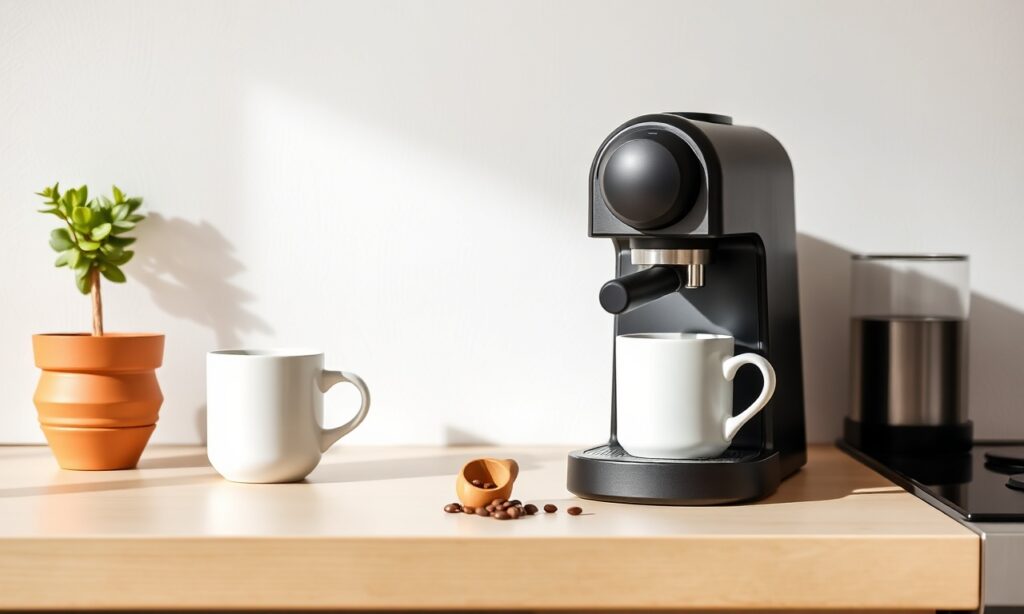
In the context of Minimalist Coffee, The principle of intentional selection then takes over. For every item that remains, ask yourself: Does this bring me joy? Does it serve a necessary function? Does it align with the minimalist aesthetic I wish to create? This often means investing in quality over quantity. A beautifully crafted ceramic mug, even if it’s the only one on display, can offer far more satisfaction than a set of mismatched, mass-produced cups. The same applies to your coffee maker, grinder, and accessories. Opt for pieces with clean lines, durable materials, and a timeless design.
Harmonizing Materials and Palette: The Subtle Art of Texture
Once the essentials are in place, the focus shifts to creating a cohesive visual and tactile experience through materials and color palette. Minimalism doesn’t equate to a sterile, monochromatic existence; rather, it thrives on the subtle interplay of textures and a carefully curated color scheme. For a minimalist coffee space, aim for a palette that evokes calm and sophistication. Neutral tones like whites, creams, grays, blacks, and muted earth tones (such as soft browns, beiges, and subtle greens) are foundational. These colors create a serene backdrop that allows the rich tones of the coffee itself to stand out.
Around Minimalist Coffee, However, relying solely on flat colors can lead to a space that feels lifeless. This is where the magic of textures comes into play. Introduce natural materials like wood (a warm walnut, a pale maple), stone (a matte granite or marble countertop accent), ceramic, and perhaps even a touch of brushed metal or matte black finishes. These materials add depth and visual interest without overwhelming the senses. Imagine a smooth, cool stone countertop contrasted with the warm, grainy texture of a wooden coffee scoop or the matte finish of a ceramic mug. This tactile richness is what elevates a minimalist space from merely sparse to elegantly refined.
Regarding Minimalist Coffee, Research suggests that incorporating natural elements and textures into living spaces can promote relaxation and reduce feelings of anxiety. This principle is particularly relevant for a space dedicated to a calming ritual like coffee brewing. The subtle imperfections and inherent beauty of natural materials lend an organic, grounded feel to the environment, enhancing the overall sensory experience of preparing and enjoying your coffee.
Streamlining the Workflow: Functional Elegance
A truly minimalist coffee space is not just about visual appeal; it is intrinsically linked to an optimized workflow. The arrangement of your tools and supplies should facilitate a seamless and efficient brewing process. Think about the steps involved in making your daily cup: grinding beans, preparing the brewer, heating water, brewing, and finally, enjoying. Each element should be logically positioned to minimize unnecessary movement and friction.
When it comes to Minimalist Coffee, For instance, if you use a pour-over method, ensure your kettle, dripper, filter papers, and carafe are all within easy reach of each other. If your grinder is electric, position it near an outlet and close to where you store your beans. Consider vertical space as well. Wall-mounted shelves or magnetic strips can be used to store smaller items like spoons, stirrers, or even an extra filter holder, freeing up valuable counter space.
In the context of Minimalist Coffee, 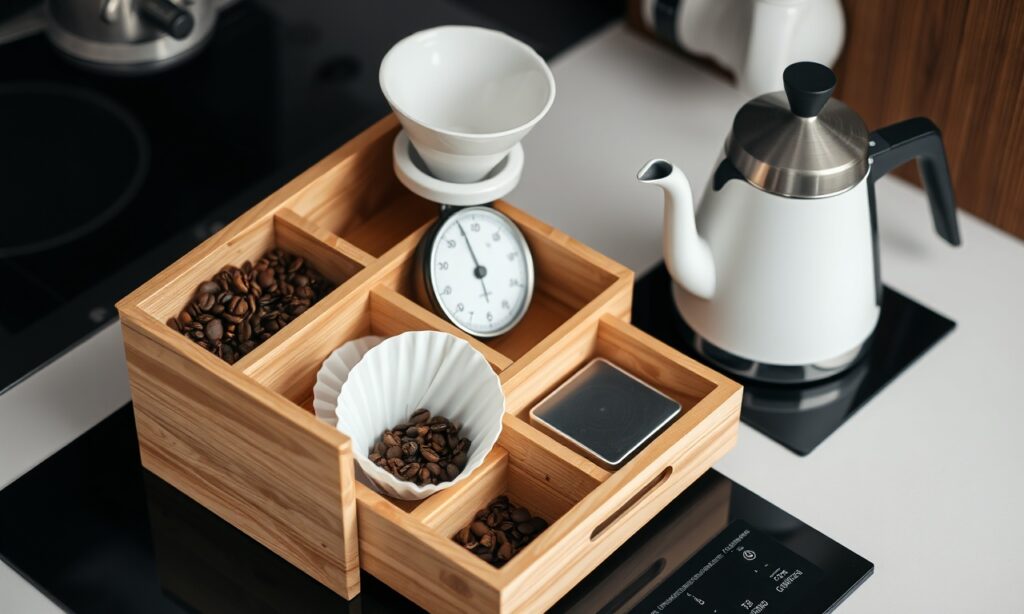
Around Minimalist Coffee, The concept of “visual clutter” is as important to combat as physical clutter. This means ensuring that cords are managed discreetly, packaging is removed from coffee bags whenever possible (storing beans in airtight, opaque canisters), and any visible accessories are chosen for their aesthetic contribution. A sleek, modern scale, for example, is both functional for precise brewing and visually appealing.
Lighting and Ambiance: Setting the Mood for Mindfulness
Lighting matter significantly in shaping the atmosphere of any space, and your minimalist coffee corner is no exception. The goal is to create an environment that feels inviting, tranquil, and conducive to mindful enjoyment. Natural light is your greatest ally in a minimalist design. Position your coffee station near a window if possible, allowing the gentle diffusion of daylight to illuminate the space. This connection to the outdoors can enhance feelings of well-being and reduce reliance on artificial lighting during daylight hours.
Regarding Minimalist Coffee, When artificial light is necessary, opt for warm, ambient sources rather than harsh, overhead lighting. A small, discreet task lamp can provide focused illumination for brewing, while a dimmer switch on a main light can allow you to adjust the intensity to suit the time of day or your mood. Consider accent lighting, such as a subtle LED strip beneath a shelf or a small, elegant table lamp. These elements can create soft pools of light, highlighting key features and adding a touch of warmth and intimacy to the space.
Research has found that lighting can significantly impact mood and productivity. Warm, dim lighting, especially in the morning, can promote relaxation and a sense of calm, which is precisely the desired effect for a minimalist coffee ritual. Avoid stark, cool-toned lights that can feel sterile and jarring, detracting from the serene ambiance you are striving to create.
The Personal Touch: Infusing Your Unique Style
While minimalism champions simplicity, it doesn’t demand uniformity. The most successful minimalist coffee spaces are those that subtly reflect the personality and preferences of their owner. This is where the “personal touch” comes in, and it’s about thoughtful additions, not elaborate embellishments.
One powerful way to inject personality is through the selection of art or decorative objects. A single, carefully chosen piece of minimalist art, a small, sculptural object, or even a beautifully framed photograph can add a significant focal point without disrupting the overall sense of calm. These items should resonate with you personally and complement the existing aesthetic.
Consider the vessels you use for your coffee. Beyond functionality, the shape, color, and material of your mugs and cups can tell a story. Perhaps you have a favorite handmade ceramic mug from a local artist, or a set of delicate glass cups that you reserve for special occasions. These items, chosen with intention, become personal anchors within the minimalist framework.
Finally, the plants. A touch of living greenery can breathe life into any space, and a well-placed minimalist plant can do wonders for a coffee corner. Opt for species with clean lines and simple foliage, such as a snake plant, a ZZ plant, or a small fiddle-leaf fig. These add a natural element, a pop of color, and a sense of vitality without introducing visual clutter.
Step-by-Step: Crafting Your Minimalist Coffee Sanctuary
Creating your ideal minimalist coffee space is a journey, not a destination. Follow these steps to guide your transformation:
- Assess Your Current Space: Begin by critically evaluating your existing coffee setup. Identify what you use daily, what’s rarely touched, and what contributes to clutter. Take photos to help visualize areas for improvement.
- Ruthless Decluttering: Remove anything that doesn’t serve a clear purpose or bring you genuine satisfaction. This may involve discarding duplicates, unused gadgets, or purely decorative items that don’t align with your vision.
- Define Your Core Essentials: List the absolute necessities for your preferred brewing method(s). This includes your coffee maker, grinder, kettle, mugs, and storage for beans and filters.
- Invest in Quality Tools: For the items you’ve deemed essential, consider upgrading to pieces that are both functional and aesthetically pleasing. Prioritize durable materials and timeless design over fleeting trends.
- Plan Your Layout for Workflow: Arrange your essential items logically to create an efficient and intuitive brewing process. Group related items together and ensure easy access to everything you need.
- Curate Your Color Palette and Materials: Select a neutral, calming color scheme and introduce natural textures like wood, stone, and ceramic to add depth and warmth.
- Optimize Your Lighting: Maximize natural light where possible. For artificial light, opt for warm, ambient sources and consider task lighting for precision brewing.
- Incorporate Personal Touches Thoughtfully: Add a single piece of art, a favorite mug, or a living plant that reflects your personality and enhances the serene atmosphere.
- Maintain and Refine: Regularly revisit your coffee space to ensure it remains decluttered and functional. Small adjustments can keep the space feeling fresh and inspiring.
Maintenance and Mindful Upkeep
The beauty of a minimalist design is its inherent ease of maintenance. However, true minimalism requires ongoing mindfulness. Dedicate a few minutes each day to a quick tidy-up: wipe down surfaces, put away stray items, and ensure everything is in its designated place. This prevents clutter from accumulating and preserves the serene atmosphere.
Periodically, perhaps once every few months, conduct a more thorough review. Re-evaluate the items you have. Are there tools you’ve stopped using? Have your preferences changed? This ongoing refinement ensures that your coffee space remains a functional and inspiring sanctuary, evolving with your needs and tastes. A clean, organized space also contributes to better hygiene, ensuring that your coffee is always prepared in the most favorable conditions.
Frequently Asked Questions
What are the essential elements of a minimalist coffee space?
The essential elements include your primary brewing equipment (e.g., coffee maker, grinder, kettle), a selection of quality mugs, airtight storage for beans, and a designated brewing area. The focus is on functionality, clean lines, and a limited, intentional palette of materials and colors.
How can I add personality to a minimalist coffee space without creating clutter?
Personality can be infused through a single, carefully chosen piece of art, a unique handmade mug, a sculptural object, or a well-placed, minimalist plant. These items should be intentional additions that complement the overall serene aesthetic rather than competing with it.
Is it okay to have more than one type of coffee maker in a minimalist setup?
Yes, it can be acceptable if each brewing method is used regularly and the machines are aesthetically cohesive. However, the key is to ensure that each item serves a distinct purpose and is displayed with intention, avoiding redundancy or excessive visual noise.
How important is lighting in a minimalist coffee space?
Lighting is critically important. Natural light is preferred to create a sense of openness and calm. When using artificial light, opt for warm, ambient sources that enhance the serene mood, with the possibility of focused task lighting for precise brewing. Harsh or overly bright lighting can detract from the minimalist ambiance.
What materials are best suited for a minimalist coffee space?
Natural materials like wood (walnut, maple), stone (granite, marble), ceramic, and matte finishes (like brushed metal or matte black) are ideal. These materials add depth, texture, and a sense of grounded elegance without introducing visual complexity.
Final Recommendations: Cultivating Your Daily Ritual
Embracing a minimalist approach to your coffee space is an investment in your daily ritual. It’s about creating a sanctuary where the act of brewing and savoring coffee becomes a moment of deliberate calm and focused appreciation. By decluttering with intention, selecting quality over quantity, and harmonizing materials and lighting, you can transform a functional area into a true haven. Remember, minimalism is not about deprivation, but about liberation – freeing yourself from excess to fully embrace the simple, profound pleasure of a perfectly brewed cup. Let your coffee space be proof of mindful living, a quiet corner where the day begins with clarity, intention, and a touch of serene beauty.
See also: Minimalist Coffee