

The Canvas of Compact Living
The allure of a small studio apartment is undeniable: affordability, a sense of coziness, and the potential for remarkable design innovation. Yet, for many, the reality of living in a compact space can feel like a constant battle against clutter and a suffocating lack of function. I recall a client, a young architect, who had just moved into her first solo apartment – a charming, albeit minuscule, studio in a bustling city. She felt defeated, surrounded by furniture that seemed to swallow the available floor space, the distinct zones of living, sleeping, and working a blurry, indistinguishable mess. Her initial despair, however, was the spark that ignited a transformative design journey.
- The Canvas of Compact Living
- Unlocking the Potential: Strategic Zoning
- The Art of Verticality: Reaching for New Heights
- Multifunctional Furniture: The Chameleon of Compact Design
- The Illusion of Space: Clever Design Tricks
- Smart Storage Solutions: Decluttering with Purpose
- Creating Distinct Zones for Living, Working, and Sleeping
- Frequently Asked Questions
- What is the most effective way to divide a small studio without permanent walls?
- How can I make a small studio feel larger?
- What types of furniture are best for a small studio?
- Is it possible to have a dedicated workspace in a small studio?
- How important is vertical storage in a small studio?
- Final Recommendations
Wikipedia: Contents — Wikipedia
When it comes to Small Studio, This narrative underscores the critical importance of intelligent layout design. The challenge isn’t the size of the space, but rather how we choose to orchestrate its potential.
Small studio living doesn’t inherently mean compromise; it demands ingenuity. It’s about viewing every square foot not as a limitation, but as a canvas upon which to paint a life of both functionality and aesthetic pleasure. The key lies in understanding how to create distinct zones, leverage vertical space, and select furniture that serves multiple purposes. This isn’t merely about fitting things in; it’s about crafting an environment that feels expansive, organized, and deeply personal, regardless of its footprint.
The true genius of small studio living lies not in its size, but in the intelligent curation of its every element to foster both function and freedom.
Unlocking the Potential: Strategic Zoning
Mastering a small studio layout begins with the strategic division of the space into distinct functional zones. Without clear boundaries, a studio can quickly devolve into a chaotic jumble, where the line between your sleeping area and your workspace blurs unappealingly. The goal is to create a sense of separation without resorting to permanent, space-consuming walls. This can be achieved through clever techniques that define areas for living, sleeping, dining, and working.
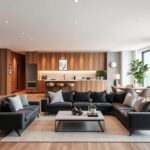
The foundation of effective zoning often begins with furniture placement. A strategically positioned sofa can act as a natural divider between a living area and a sleeping nook. Similarly, a well-placed bookshelf or room divider can elegantly segment the space, offering both visual separation and practical storage. The type of furniture chosen plays an equally significant role. Multifunctional pieces, such as ottomans with hidden storage or coffee tables that can be raised to dining height, are invaluable assets in a small studio. These items not only serve their primary purpose but also contribute to the definition of a zone, making the space feel more organized and intentional.
In the context of Small Studio, Consider the psychological impact of these divisions. Even subtle cues, like a change in flooring material or the placement of a rug, can signal a transition from one area to another. For instance, a plush rug under the sofa can anchor the living area, while a simpler, easily cleanable surface might define the dining space. This thoughtful approach to zoning transforms a single, undifferentiated room into a series of interconnected, yet distinct, functional spaces, enhancing both usability and the perceived spaciousness of the studio.
Around Small Studio, 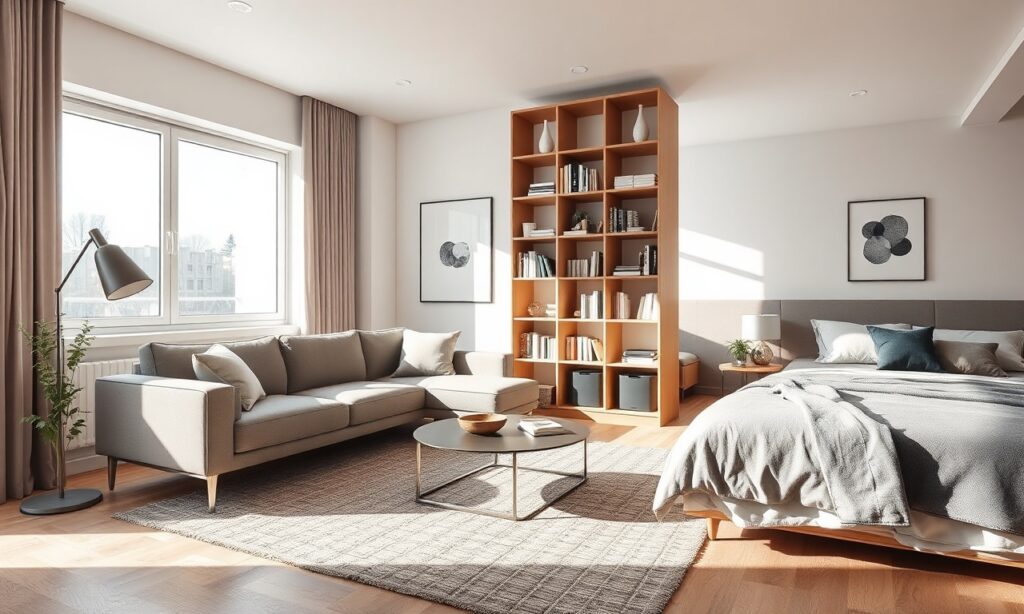
The Art of Verticality: Reaching for New Heights
When floor space is at a premium, the most obvious, yet often underutilized, solution lies in looking upwards. Vertical space is the unsung hero of small studio layouts, offering a treasure trove of opportunities to expand functionality without encroaching on precious horizontal real estate. Embracing verticality means thinking beyond traditional furniture arrangements and exploring innovative storage and living solutions that ascend the walls.
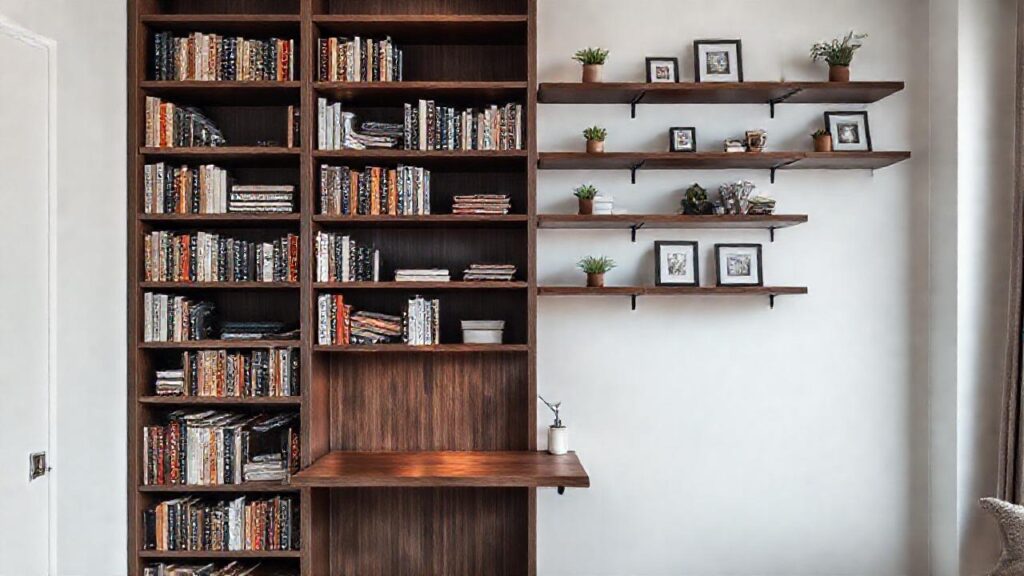
Regarding Small Studio, One of the most impactful ways to harness vertical space is through shelving and wall-mounted storage. Floor-to-ceiling bookshelves not only provide ample room for books and decorative items but can also serve as a visual anchor for a room. Floating shelves offer a more minimalist approach, ideal for displaying art, plants, or essential items without the visual bulk of traditional units. For kitchens, wall-mounted pot racks and magnetic knife strips free up counter and drawer space. In the bedroom, consider a loft bed, which dramatically frees up the floor beneath for a desk, seating area, or even a compact wardrobe. This ingenious solution effectively creates two distinct functional zones within the footprint of a single bed.
When it comes to Small Studio, Beyond storage, verticality can also influence the perception of space. Tall, slender furniture pieces, such as a narrow armoire or a floor-to-ceiling mirror, draw the eye upward, creating an illusion of greater height and depth. Strategic lighting, particularly wall-mounted sconces or pendant lights that hang from the ceiling, can further enhance this effect, illuminating vertical surfaces and making the room feel more open and airy. As architectural historian Dr. Anya Sharma notes, “The human eye is naturally drawn to vertical lines, which can psychologically expand a room’s perceived dimensions. This principle is fundamental in designing compact living environments.” Research suggests that utilizing vertical storage can increase usable space by up to 30% in studios.
Multifunctional Furniture: The Chameleon of Compact Design
in small studio living, furniture is rarely just about its primary function; it’s about its adaptability, its ability to chameleon-like transform and serve multiple purposes. Multifunctional furniture is a necessity, the cornerstone of an efficient and aesthetically pleasing compact dwelling. These pieces are designed with ingenuity, offering solutions that save space, reduce clutter, and enhance the overall usability of the studio.
In the context of Small Studio, Consider the humble sofa bed. Once associated with flimsy futons and uncomfortable nights, modern sofa beds have evolved into stylish, comfortable pieces of furniture that seamlessly transition from a chic seating area to a welcoming bed. This single item can eliminate the need for a separate bed frame and mattress, reclaiming significant floor space during the day. Similarly, ottomans with built-in storage are invaluable. They can serve as extra seating, a footrest, a coffee table (with a tray), and a discreet repository for blankets, magazines, or electronics.
Around Small Studio, Dining solutions also benefit immensely from this multifunctional approach. A wall-mounted drop-leaf table can be folded away when not in use, disappearing against the wall. Alternatively, a console table that extends to become a dining table for four or more can be a brilliant space-saver. Even coffee tables are getting in on the act, with many designs featuring lift-top mechanisms that transform them into impromptu dining or work surfaces. The selection of these pieces requires careful consideration of your lifestyle and daily routines. What activities do you engage in most frequently? Prioritize furniture that supports those needs with maximum versatility. According to design anthropologist, Dr.
Evelyn Reed, “The most successful small-space designs are those where furniture is not just placed, but actively *choreographed* to serve multiple roles throughout the day.”
The true magic of multifunctional furniture lies in its ability to create a sense of spaciousness through its very adaptability. When a piece can serve several functions, it reduces the overall number of items needed, thereby decluttering the space and making it feel larger and more organized. It’s about making every item work harder, ensuring that your studio is as efficient as it is inviting.
The Illusion of Space: Clever Design Tricks
Beyond the strategic placement of furniture and the utilization of vertical real estate, a host of clever design tricks can be employed to create the illusion of greater space in a small studio. These are the subtle yet powerful techniques that trick the eye, making a compact environment feel more expansive, airy, and open. Mastering these illusions can significantly enhance the livability and aesthetic appeal of your studio.
Mirrors are perhaps the oldest and most effective tool in the space-illusionist’s arsenal. Strategically placed mirrors can reflect light, bounce visual lines, and essentially “double” the perceived size of a room. A large mirror placed opposite a window, for instance, will not only amplify the natural light but also reflect the view, creating a sense of depth. Consider mirrored closet doors or a collection of smaller decorative mirrors to achieve a similar effect.
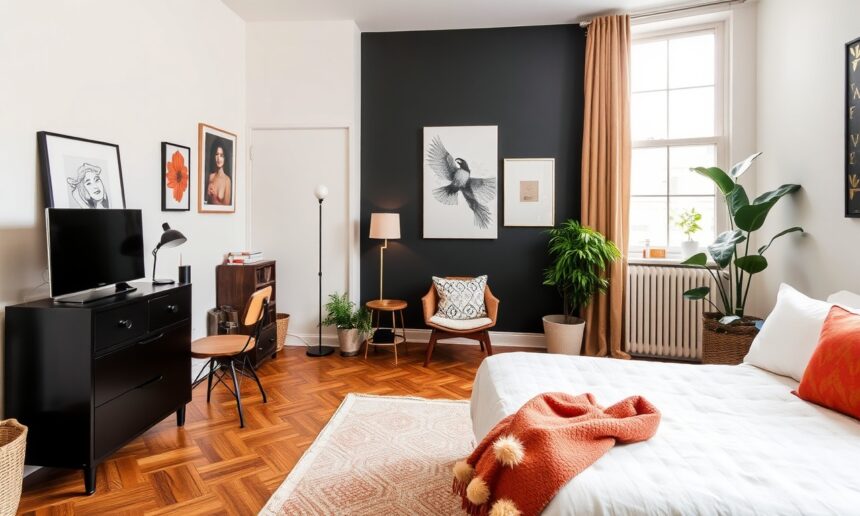
Color palette matter significantly. Light, neutral colors on walls, ceilings, and even large furniture pieces tend to recede, making the space feel larger and more open. Whites, soft grays, pale blues, and muted pastels are excellent choices. Conversely, dark or overly saturated colors can make a room feel smaller and more enclosed. The consistency of color is also important; a monochromatic scheme can create a sense of continuity, making the space flow more seamlessly.
Lighting is another critical element. A well-lit room always feels larger than a dimly lit one. Maximize natural light by keeping windows unobstructed and using sheer curtains. Supplement this with layered artificial lighting: ambient lighting (overhead fixtures), task lighting (desk lamps, reading lights), and accent lighting (to highlight artwork or architectural features). The absence of harsh shadows can contribute significantly to the feeling of openness. Furthermore, furniture with exposed legs, such as a sofa or bed on slender legs, creates a sense of airiness by allowing light and sightlines to pass underneath, making the floor appear more continuous.
Smart Storage Solutions: Decluttering with Purpose
The success of any small studio layout hinges on the ability to manage clutter effectively. Without dedicated and intelligent storage solutions, even the most thoughtfully designed space can quickly become overwhelmed. The key is to integrate storage seamlessly into the design, making it both functional and aesthetically pleasing, rather than an afterthought.
Think of your storage needs holistically. Where do you accumulate the most items? In the kitchen, this might mean maximizing cabinet space with organizers like tiered shelves and pull-out drawers. Wall-mounted spice racks and magnetic strips for utensils can free up valuable counter space. In the living area, consider furniture with built-in storage, such as a coffee table with drawers or a storage ottoman. A media console with ample shelving and closed cabinets can hide away electronics and accessories.
Bedrooms, even in studios, often become a repository for clothing and personal items. Opt for a bed frame with under-bed drawers or a storage headboard. If space allows, a tall, narrow wardrobe with efficient internal organizers can house a surprising amount of clothing. For those who prefer open shelving, consider stylish baskets and bins to keep items tidy and visually appealing. Even the space above doors can be utilized with narrow shelves for less frequently accessed items.
The bathroom, often overlooked, also presents opportunities for smart storage. Over-the-toilet shelving units, wall-mounted cabinets, and drawer organizers can keep toiletries and cleaning supplies neatly tucked away. Even the back of the bathroom door can accommodate hanging organizers for towels or hair styling tools. The principle is simple: every available inch of space, both visible and hidden, should be considered for its storage potential. Research on urban living indicates that residents in micro-apartments report higher levels of satisfaction when they have effective, integrated storage solutions.
Creating Distinct Zones for Living, Working, and Sleeping
The ultimate goal in designing a small studio layout is to create a harmonious environment where distinct life activities can coexist without conflict. This involves carefully delineating areas for relaxation, productivity, and rest, ensuring each zone serves its purpose effectively while contributing to the overall aesthetic.
The Living Area should feel inviting and comfortable. This is where you unwind, entertain, and relax. Furniture choices should prioritize comfort and functionality. A compact sofa, a stylish armchair, and a coffee table that can double as a workspace or dining surface are good starting points. A well-placed rug can visually anchor this zone, distinguishing it from the rest of the studio. Ambient lighting, such as floor lamps or wall sconces, contributes to a cozy atmosphere.
The Workspace needs to be functional and conducive to concentration. Ideally, position your desk near natural light if possible. If space is extremely limited, consider a fold-down desk or a wall-mounted workstation. Keep this area as clutter-free as possible by utilizing vertical storage for stationery and other work-related items. A comfortable chair is essential, even in a small space. This zone should feel separate enough to minimize distractions but integrated enough to not feel isolated.
The Sleeping Area is your sanctuary. While often the most challenging to define in a studio, it should feel distinct and private. If a loft bed isn’t feasible, consider a Murphy bed that folds away into the wall during the day, or a high-quality sofa bed that doesn’t compromise on comfort. A room divider, such as a bookshelf, a folding screen, or even a strategically placed curtain, can provide a sense of separation. Soft lighting and comfortable bedding are paramount to creating a restful atmosphere.
The success of these zones often relies on subtle transitions. A change in flooring, a different wall color, or the placement of a decorative element can signal a shift from one area to another. The aim is to create a seamless flow, where moving between these zones feels natural and intuitive, enhancing the overall livability of your compact home.
The interplay between these zones truly elevates a small studio. It’s about creating a dynamic environment that adapts to your needs throughout the day, offering comfort and utility in equal measure. This thoughtful orchestration of space transforms a mere living area into a well-functioning, multi-dimensional home.
Frequently Asked Questions
What is the most effective way to divide a small studio without permanent walls?
The most effective methods involve using furniture and strategic design elements. Consider using a large, open bookshelf as a room divider, which offers both separation and storage. A well-placed sofa can also naturally segment a living area from a sleeping nook. Folding screens, decorative curtains suspended from the ceiling, or even changes in flooring (e.g., a rug defining the living area) can also create visual divisions without obstructing light or space.
How can I make a small studio feel larger?
To make a small studio feel larger, employ several design tricks. Use a light and neutral color palette on walls and ceilings to create an airy feel. Maximize natural light by keeping windows unobstructed and using sheer curtains. Strategically place mirrors to reflect light and views, creating an illusion of depth. Opt for furniture with exposed legs to allow light and sightlines to pass underneath. Finally, ensure the space is well-lit with layered lighting to avoid dark corners.
What types of furniture are best for a small studio?
The best furniture for a small studio is multifunctional and space-saving. Look for items like sofa beds, ottomans with hidden storage, nesting tables, wall-mounted desks or dining tables, and compact, modular seating. Furniture that can be easily folded, tucked away, or serves multiple purposes will significantly enhance the usability and perceived space of your studio. Prioritize quality and comfort in these essential pieces.
Is it possible to have a dedicated workspace in a small studio?
Absolutely. Creating a dedicated workspace in a small studio is achievable with smart planning. If floor space is limited, a wall-mounted fold-down desk or a slim console table that can be extended into a workspace is ideal. Utilizing vertical space for shelving and organizers will keep your work area tidy. Positioning your workspace near natural light can also enhance productivity. Even a small corner can be transformed into a functional and inspiring home office with the right approach.
How important is vertical storage in a small studio?
Vertical storage is critically important in a small studio. When floor space is scarce, looking upwards is essential for maximizing usable area. Floor-to-ceiling shelving, wall-mounted cabinets, floating shelves, and loft beds are excellent ways to utilize vertical space for storage and living. This approach frees up valuable floor area, making the studio feel less cluttered and more spacious, while also providing ample room for belongings.
Final Recommendations
Mastering the small studio layout is an art form that balances creativity with practicality. The journey from a cramped, confusing space to an efficient, stylish sanctuary is paved with thoughtful design choices. Prioritize multifunctional furniture that adapts to your daily needs, and never underestimate the power of vertical space for storage and visual expansion. Embrace light colors and strategic mirror placement to create an illusion of greater depth. Most importantly, define distinct zones for living, working, and sleeping, ensuring each area serves its purpose harmoniously. By integrating these proven ideas, you can transform even the most compact studio into a comfortable, functional, and aesthetically pleasing home that truly reflects your personal style and enhances your quality of life.
The constraints of a small space are not limitations, but rather catalysts for ingenious design and a more intentional way of living.
See also: Small Studio