

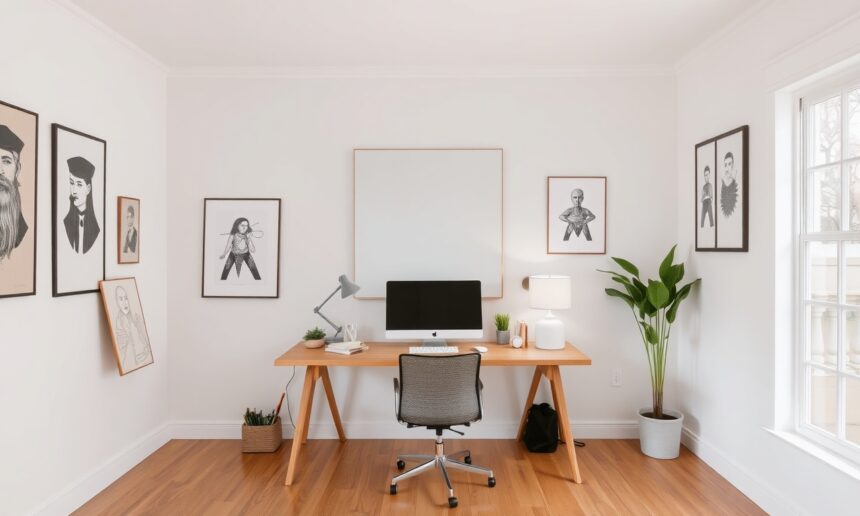
Studio Layout: The Genesis of a Productive Sanctuary
Imagine stepping into a space that hums with creative energy, where every element is intentionally placed to facilitate your workflow and ignite your imagination. For many artists, musicians, writers, and entrepreneurs, their studio is more than just a workspace; it’s a sanctuary, a crucible for innovation, and a physical manifestation of their aspirations. Yet, the path to achieving such an ideal environment is often paved with challenges, chief among them being the elusive art of studio layout. A poorly designed studio can stifle creativity, foster disorganization, and ultimately hinder productivity. Conversely, a thoughtfully arranged space can transform the mundane into the magnificent, making the process of creation not just efficient, but deeply enjoyable.
- Studio Layout: The Genesis of a Productive Sanctuary
- Deconstructing the Ideal Studio Layout: Core Principles
- Strategic Zoning: Creating Dedicated Habitats
- Ergonomic Harmony: Prioritizing Your Physical Well-being
- Flow and Accessibility: The Uninterrupted Creative Journey
- Mastering Light and Ambiance: The Psychological Impact
- Personalization and Inspiration: Infusing Your Studio with Soul
- Maximizing Small Studio Spaces: Ingenuity in Compact Design
- Advanced Studio Layout Strategies: For the Dedicated Professional
- Frequently Asked Questions
- Is it better to have natural light or artificial light in a studio?
- How do I organize supplies in a small studio space?
- What is the importance of ergonomics in studio design?
- How can I make my studio more inspiring?
- What are the benefits of zoning my studio?
- Final Recommendations: Cultivating Your Creative Sanctuary
Wikipedia: Contents — Wikipedia
This guide explores the core principles and practical considerations that underpin an exceptional studio layout, offering expert insights to help you craft a space that is both supremely functional and profoundly inspiring.
A well-designed studio layout isn’t just about aesthetics; it’s a strategic investment in your creative output and overall well-being.
Key Takeaways: Crafting Your Creative Haven
- Strategic Zoning: Divide your studio into distinct zones for specific activities (creation, relaxation, storage) to minimize distractions and maximize focus.
- Ergonomic Harmony: Prioritize comfort and physical well-being by arranging furniture and equipment to support good posture and reduce strain.
- Flow and Accessibility: Ensure seamless movement between different areas and easy access to tools and materials, fostering an uninterrupted creative process.
- Light and Ambiance: Harness natural light and supplement with appropriate artificial lighting to create an energizing and comfortable atmosphere.
- Personalization and Inspiration: Infuse your personality into the space through art, plants, and meaningful objects to cultivate an environment that truly resonates with you.
Deconstructing the Ideal Studio Layout: Core Principles
At its heart, an effective studio layout is a delicate balance of form and function. It requires a deep understanding of how you work, what tools you employ, and the psychological impact of your surroundings. This isn’t merely about placing furniture; it’s about orchestrating an environment that actively supports your creative endeavors. The foundational pillars of an exceptional studio layout revolve around zoning, ergonomics, and flow.
Strategic Zoning: Creating Dedicated Habitats
When it comes to Studio Layout, The concept of zoning is paramount. Instead of a monolithic, undifferentiated space, a well-conceived studio is a mosaic of interconnected areas, each serving a specific purpose. Consider carving out distinct zones for:
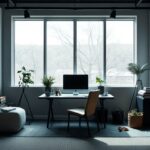
- The Creation Hub: This is where the magic happens – your primary workstation. It should be free from clutter, ergonomically set up, and equipped with immediate access to your essential tools.
- The Planning & Ideation Area: This might be a comfortable chair with a notebook, a whiteboard, or a dedicated desk for research and sketching. It’s a space for conceptualization, away from the direct demands of production.
- The Storage & Organization Zone: Efficient storage is the bedrock of a tidy studio. This area should house your materials, supplies, and equipment in an organized, easily accessible manner.
- The Relaxation & Recharge Nook: Every creative benefits from a space to step away, reflect, or simply decompress. This could be a comfortable armchair, a small plant, or a quiet corner.
In the context of Studio Layout, 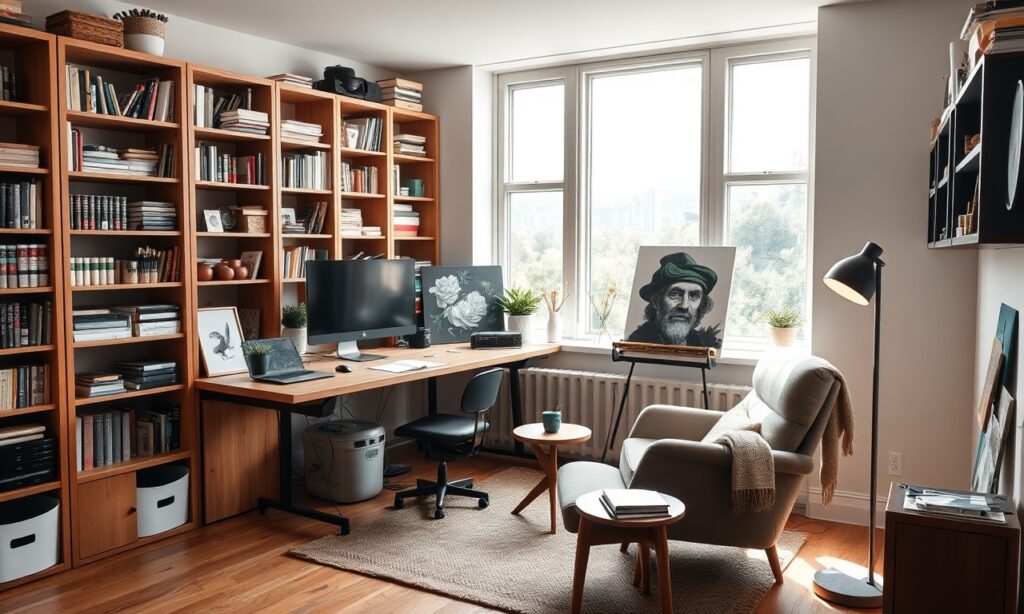
Ergonomic Harmony: Prioritizing Your Physical Well-being
Around Studio Layout, The human body is not designed for prolonged periods of static posture, especially when engaged in focused creative tasks. Neglecting ergonomics can lead to chronic pain, fatigue, and reduced productivity. Investing in ergonomic solutions is not a luxury; it’s a necessity for sustainable creative output. This involves:
- Desk and Chair Height: Ensure your desk and chair are at the correct height to allow your feet to rest flat on the floor, your knees to be at a 90-degree angle, and your elbows to be at a 90-degree angle when typing or working. Consider an adjustable standing desk to alternate between sitting and standing.
- Monitor Placement: Position your monitor at eye level and an arm’s length away to prevent neck and eye strain.
- Tool Accessibility: Arrange frequently used tools and materials within easy reach to minimize unnecessary stretching and twisting.
Regarding Studio Layout, Studies highlight that proper workstation ergonomics can significantly reduce musculoskeletal disorders, which are common among individuals spending long hours at a desk. This underscores the tangible benefits of prioritizing comfort and health in your studio setup.
Flow and Accessibility: The Uninterrupted Creative Journey
The concept of “flow” – that state of complete immersion in an activity – is what every creator strives for. Your studio layout can either facilitate or impede this state. A layout that promotes excellent flow ensures that movement between tasks is seamless and that everything you need is readily available without breaking your concentration.
- Pathways: Ensure clear, unobstructed pathways between your different zones. You shouldn’t have to navigate a maze of equipment to get from your desk to your storage.
- Tool Proximity: Group tools and materials by function. For example, keep all your painting supplies together, your writing implements in one place, and your digital tools within easy reach of your computer.
- Vertical Space Optimization: Utilize vertical space with shelving units and wall-mounted storage to keep your primary work surfaces clear. This not only improves organization but also enhances the sense of spaciousness and ease of movement.
Mastering Light and Ambiance: The Psychological Impact
When it comes to Studio Layout, Light is arguably one of the most powerful tools in influencing mood, focus, and creativity. A well-lit studio can invigorate, while a poorly lit one can drain energy and make tasks feel arduous.
Harnessing Natural Light
In the context of Studio Layout, Natural light is unparalleled for its ability to boost mood and reduce eye strain. Position your primary workspace near a window, if possible. However, be mindful of direct glare, which can be disruptive. Employ sheer curtains or blinds to diffuse harsh sunlight. The ambient light quality can significantly impact perception; research suggests that spaces with ample natural light are associated with increased feelings of well-being and reduced stress.
Strategic Artificial Lighting
Around Studio Layout, While natural light is ideal, it’s often insufficient, especially during evenings or on overcast days. A layered approach to artificial lighting is crucial:
- Ambient Lighting: General illumination for the entire space, often provided by ceiling fixtures or floor lamps.
- Task Lighting: Focused light directed at your work area, essential for detailed tasks. This could be a desk lamp or adjustable spotlights.
- Accent Lighting: Used to highlight specific features, artwork, or plants, adding depth and visual interest to the studio.
Regarding Studio Layout, Consider the color temperature of your lights. Cooler, bluer light (around 5000K) is often associated with alertness and focus, making it suitable for work areas. Warmer, more yellow light (around 2700K) is better for relaxation zones.
Personalization and Inspiration: Infusing Your Studio with Soul
A studio that is purely functional can feel sterile. The true art of studio layout lies in transforming a practical space into a personal haven that inspires and motivates you. This is where your individuality shines.
The Power of Visual Cues
Surround yourself with elements that spark joy and creativity:
- Art and Imagery: Display artwork that you find stimulating, inspirational quotes, or vision boards that represent your goals.
- Plants: Incorporate greenery. Plants can purify the air, reduce stress, and add a vital touch of life and color to the space.
- Color Psychology: Consider the impact of color. Blues and greens can be calming, while yellows and oranges can be energizing. Use these colors strategically in your décor or even paint choices.
- Meaningful Objects: Display items that hold personal significance – souvenirs from travels, gifts from loved ones, or tools from your creative lineage.
Creating a Sensory Experience
Beyond the visual, consider other sensory elements:
- Sound: Invest in good acoustics if you work with audio. Use sound-dampening materials if necessary. Curate playlists that enhance your mood and focus.
- Scent: Subtle aromatherapy can be beneficial. Essential oils like peppermint can promote focus, while lavender can aid relaxation.
- Texture: Incorporate varied textures through furniture, rugs, and decorative items to add warmth and tactile interest.
Maximizing Small Studio Spaces: Ingenuity in Compact Design
Many creators find themselves working with limited square footage. The principles of effective studio layout become even more critical in these scenarios. The key is to think vertically, utilize multi-functional furniture, and maintain impeccable organization.
Vertical Storage Solutions
When it comes to Studio Layout, When floor space is at a premium, look upwards. Tall shelving units, wall-mounted cabinets, and pegboards can house a surprising amount of gear and supplies without encroaching on your usable floor area.
Multi-Functional Furniture
In the context of Studio Layout, Opt for furniture that serves multiple purposes. A desk with integrated storage, a sofa bed that can double as a guest sleeping area, or ottomans with hidden compartments can significantly enhance functionality in a small studio.
The Art of Decluttering
In a small space, clutter is the enemy. Implement a strict decluttering routine. Regularly assess what you truly need and use, and let go of the rest. A minimalist approach can make a small studio feel much larger and more manageable.
Advanced Studio Layout Strategies: For the Dedicated Professional
For those whose studio is their primary place of business, the layout demands a higher level of professional consideration. This often involves integrating technology seamlessly, optimizing for specific workflows, and ensuring a professional presentation for clients or collaborators.
Integrating Technology Seamlessly
Modern creative studios are often tech-heavy. Cable management is crucial for a clean, safe, and efficient workspace. Consider:
- Cable Trays and Sleeves: Keep wires organized and out of sight.
- Power Strips and Surge Protectors: Ensure adequate power supply and protection for your valuable equipment.
- Strategic Outlet Placement: Plan your layout with available power outlets in mind.
Workflow Optimization
Analyze your typical workflow step-by-step. Where are the bottlenecks? How can your layout streamline these processes? For example, a photographer might arrange their editing station near their shooting area, while a musician might position instruments and recording equipment for immediate access.
Client-Facing Areas
If your studio is a place where clients visit, consider creating a welcoming and professional reception or consultation area. This space should be separate from your primary work zone to maintain focus and provide a comfortable environment for visitors.
Frequently Asked Questions
Is it better to have natural light or artificial light in a studio?
Both natural and artificial light are crucial for an optimal studio environment. Natural light is excellent for mood and reducing eye strain, but can be inconsistent and cause glare. Artificial lighting allows for controlled illumination, especially for task-specific needs and working during darker hours. A layered approach combining both is generally considered the most effective for productivity and well-being.
How do I organize supplies in a small studio space?
In small studios, vertical storage is key. Utilize tall shelving units, wall-mounted cabinets, and pegboards to maximize storage without sacrificing floor space. Invest in modular storage solutions that can adapt to your needs. Multi-functional furniture, like desks with built-in drawers or storage ottomans, can also significantly boost organization. Regular decluttering is essential to prevent overwhelm.
What is the importance of ergonomics in studio design?
Ergonomics is vital for long-term health and productivity in a studio. Proper desk and chair height, monitor placement, and tool accessibility prevent musculoskeletal strain, fatigue, and chronic pain. By creating an ergonomic workspace, you support your physical well-being, allowing you to focus on your creative tasks for longer periods without discomfort, ultimately enhancing your output and quality of work.
How can I make my studio more inspiring?
Infuse your studio with elements that resonate with your personality and creative drive. Display inspiring artwork, personal photos, plants, and objects that hold meaning. Consider the psychology of color in your décor and implement strategic accent lighting. Creating a comfortable, sensory-rich environment that reflects your tastes and aspirations is key to fostering a truly inspiring space.
What are the benefits of zoning my studio?
Zoning your studio by dedicating specific areas for distinct activities—like creation, planning, storage, and relaxation—improves focus and reduces distractions. Each zone serves a purpose, making it easier to transition between tasks and maintain an organized workflow. This separation helps create mental clarity, allowing you to fully immerse yourself in the activity at hand within each designated area.
Final Recommendations: Cultivating Your Creative Sanctuary
Crafting an ideal studio layout is an ongoing process, a dialogue between your evolving creative needs and the physical space you inhabit. Approach it with intention, experiment with different arrangements, and don’t be afraid to adapt as you learn what works best for you. Remember that your studio is a reflection of your creative spirit. By thoughtfully considering zoning, ergonomics, lighting, and personalization, you can transform any space into a functional, inspiring sanctuary that fuels your passion and propels your work to new heights. The investment in a well-designed studio layout is an investment in yourself and your craft.
See also: Studio Layout