


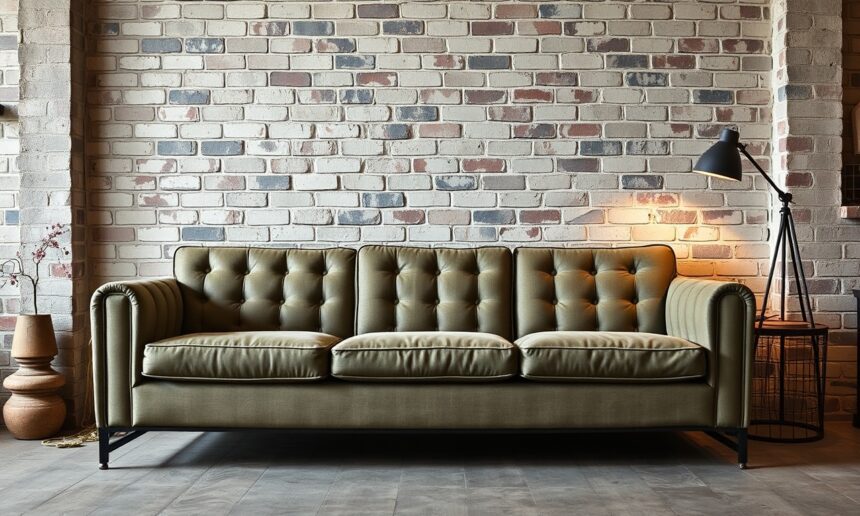
“The true measure of design lies not in fleeting trends, but in the enduring resonance of materials and craftsmanship that tell a story.” – Anonymous
- Unearthing the Soul of Vintage Industrial Sofas
- The Anatomy of Authenticity: What Defines a Vintage Industrial Sofa?
- Navigating the Acquisition Landscape: Where to Find and What to Look For
- Styling with Substance: Integrating Vintage Industrial Sofas into Your Home
- The Enduring Appeal: Why Vintage Industrial Sofas Are a Smart Investment
- Care and Preservation: Maintaining Your Vintage Industrial Treasure
- The Enduring Narrative: Vintage Industrial Sofas as Heirlooms
- Frequently Asked Questions
- What makes a sofa “vintage industrial”?
- Are vintage industrial sofas comfortable for everyday use?
- How do I identify a genuine vintage industrial sofa versus a reproduction?
- What is the best way to clean and maintain a vintage industrial leather sofa?
- Can vintage industrial sofas be reupholstered if the original fabric is damaged?
- Final Recommendations
Unearthing the Soul of Vintage Industrial Sofas
Vintage Industrial sofas are more than just furniture; they are tactile embodiments of a bygone era, proof of robust construction and an unapologetic aesthetic. These pieces resonate with a raw, unvarnished charm, drawing inspiration from factories, workshops, and utilitarian spaces of the late 19th and early 20th centuries. The allure lies in their authenticity, their ability to inject character and history into contemporary living spaces. Unlike mass-produced contemporary sofas, a vintage industrial piece carries the patina of time, a silent narrative of its journey. This is not about superficial trends; it’s about investing in a statement piece that offers both unparalleled comfort and a profound connection to design heritage.
Wikipedia: Contents — Wikipedia
The market for vintage industrial furniture has seen a significant surge, reflecting a broader cultural shift towards sustainability, individuality, and a rejection of disposable decor. Consumers are increasingly seeking pieces that possess a unique soul, something that sets their homes apart from the sterile uniformity often found in modern retail. Vintage industrial sofas, with their inherent durability and timeless appeal, perfectly fit this desire. Their rugged construction, often featuring solid wood frames, heavy-gauge steel, and richly textured upholstery like distressed leather or durable canvas, ensures longevity. This resilience is a core tenet of their appeal, promising decades of service where many contemporary pieces might falter within a few years.
- Vintage Industrial sofas offer enduring style rooted in historical utility and robust craftsmanship.
- Their appeal lies in authenticity, unique character, and sustainable design principles.
- These pieces integrate seamlessly into diverse interior styles, adding warmth and personality.
- Careful selection and maintenance are crucial for preserving their aesthetic and structural integrity.
The Anatomy of Authenticity: What Defines a Vintage Industrial Sofa?
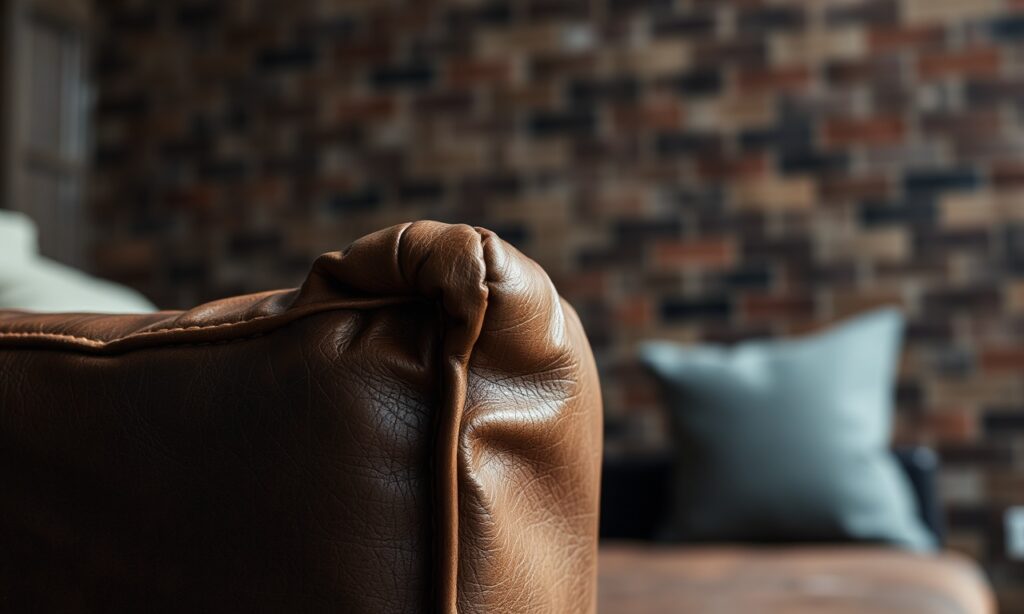
The quintessential vintage industrial sofa is characterized by several defining elements. Foremost is the material palette. Expect to see generous use of distressed leather, often in shades of deep brown, oxblood, or charcoal, exhibiting a natural wear pattern that only enhances its character. This isn’t about pristine perfection; it’s about the subtle creases, the softened edges, and the unique markings that tell a story. Alongside leather, heavy-duty canvas, twill, or even repurposed textiles might feature, offering a different kind of tactile appeal and durability.
The frame construction is another critical indicator. Vintage industrial pieces rarely shy away from showcasing their structure. Solid wood, often oak, walnut, or reclaimed timber, forms the backbone, frequently left exposed or minimally finished. Exposed metal elements, such as riveted steel frames, iron legs, or cast-iron accents, are hallmarks of this style, nodding to their utilitarian origins. The overall silhouette tends to be solid and grounded, eschewing delicate curves for more robust, rectilinear forms. Think deep seating, generous proportions, and a sense of substantiality.
Research from the furniture industry consistently highlights the growing consumer demand for reclaimed and vintage materials, with reports indicating a significant percentage of homeowners actively seeking out unique, pre-owned items to furnish their spaces. This trend underscores the inherent value and appeal of pieces like vintage industrial sofas. For instance, according to recent research, consumers increasingly value personalization and unique design elements in their homes.
Navigating the Acquisition Landscape: Where to Find and What to Look For
Acquiring a genuine vintage industrial sofa requires patience and a discerning eye. The most rewarding sources are often antique shops, architectural salvage yards, estate sales, and reputable online marketplaces specializing in vintage furniture. These venues offer the highest likelihood of discovering authentic pieces with genuine character. Be wary of reproductions that mimic the style without the substance; true vintage pieces will bear the marks of time and use.
When evaluating a potential purchase, structural integrity is paramount. Examine the frame for any signs of weakness, warping, or significant damage. Check the joints to ensure they are secure. Upholstery should be inspected for rips, tears, excessive fading, or irreparable stains. Minor wear is desirable, but significant damage may necessitate costly reupholstery, diminishing the value of a “vintage” find. If the upholstery is beyond saving, consider the frame and potential for reupholstering with appropriate materials like canvas or high-quality distressed leather.
Authenticity markers can include original hardware, maker’s marks, or labels, though these are not always present. The patina of the materials themselves – the way the leather has softened, the wood has aged, or metal has developed a natural rust or oxidation – is often the most telling sign of genuine vintage character. A well-made vintage industrial sofa will feel substantial and robust, a stark contrast to the often lighter, less durable construction of contemporary furniture.
Styling with Substance: Integrating Vintage Industrial Sofas into Your Home
The beauty of a vintage industrial sofa lies in its versatility. While it naturally complements spaces with existing industrial or rustic elements, its inherent strength and character allow it to anchor a variety of design schemes. In a loft apartment with exposed brick walls and concrete floors, it provides a comfortable and stylish focal point. Its robust form can balance softer elements, such as plush rugs and decorative cushions, creating a harmonious blend of textures and styles.
For a more contemporary setting, a vintage industrial sofa can introduce a welcome dose of warmth and personality, preventing the space from feeling too sterile or minimalist. Pairing it with modern art, sleek metallic accents, and clean-lined furniture creates an engaging contrast. The sofa acts as a statement piece, drawing the eye and adding a layer of history. In a bohemian or eclectic interior, it can contribute to a layered, lived-in feel, mingling effortlessly with vintage rugs, global textiles, and an assortment of unique decorative objects.
The color palette is also key. Earth tones, deep blues, and muted greens often work exceptionally well with the typical materials found in vintage industrial sofas. These colors echo the natural hues of leather, wood, and metal, reinforcing the grounded, organic feel of the style. Avoid overly bright or jarring colors in your surrounding decor, which can detract from the sofa’s inherent charm.
The Enduring Appeal: Why Vintage Industrial Sofas Are a Smart Investment
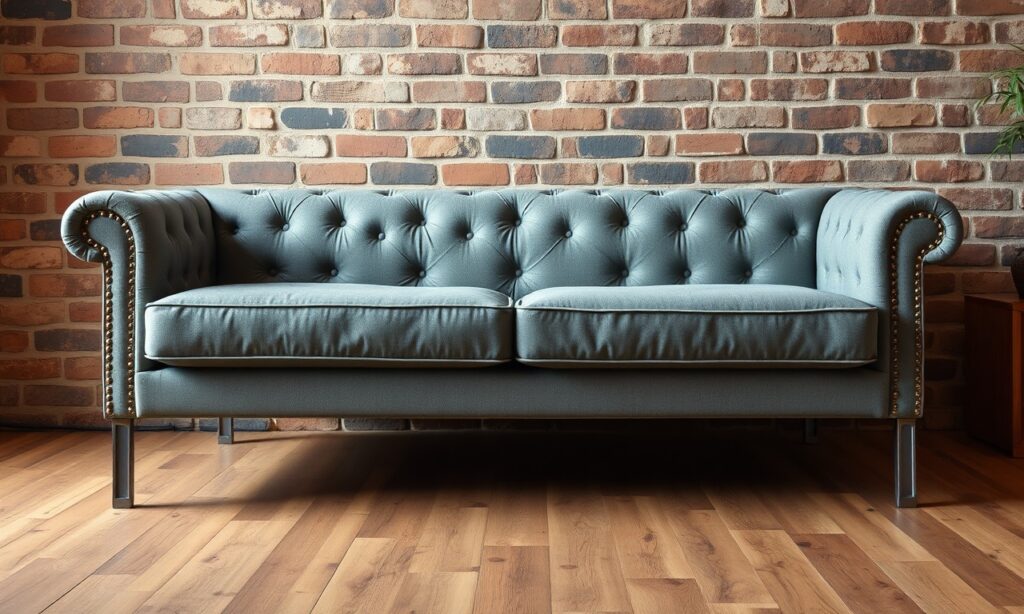
Beyond their aesthetic appeal, vintage industrial sofas represent a smart investment in several ways. Firstly, their durability and quality of construction often surpass that of many contemporary, mass-produced alternatives. Built to last with robust materials and time-tested techniques, these sofas can endure decades of use, often outliving multiple furniture cycles. This longevity translates into a more sustainable choice, reducing the environmental impact associated with frequent furniture replacement.
Secondly, their timeless design ensures they remain relevant regardless of evolving interior design trends. Unlike highly stylized contemporary pieces that can quickly feel dated, the classic, utilitarian aesthetic of vintage industrial sofas possesses an enduring appeal. They are adaptable, capable of being a focal point in a room for years, even decades, to come. This inherent timelessness means they retain their value, and in many cases, appreciate over time, especially if they are particularly rare or well-preserved examples.
A 2022 report by the Global Furniture Market indicated a growing consumer preference for sustainable and durable furniture, with a notable segment of the market actively seeking out vintage and antique pieces for their environmental benefits and inherent quality. This trend highlights the long-term economic and ecological sense of investing in vintage industrial sofas.
Care and Preservation: Maintaining Your Vintage Industrial Treasure
Proper care is essential to preserve the beauty and structural integrity of your vintage industrial sofa. For leather upholstery, regular dusting with a soft, dry cloth is the first line of defense. For deeper cleaning, use a specialized leather cleaner specifically designed for distressed or aged leather, following the product’s instructions meticulously. Avoid harsh chemicals, abrasive cleaners, or excessive moisture, which can damage the material and its patina. Conditioning the leather periodically with a high-quality leather conditioner will help keep it supple and prevent cracking, especially in dry environments.
For fabric upholstery like canvas or twill, regular vacuuming with an upholstery attachment will remove dust and debris. For spot cleaning, always test any cleaning solution on an inconspicuous area first. Blot spills immediately with a clean, dry cloth; do not rub, as this can spread the stain and damage the fibers. Professional cleaning may be necessary for stubborn stains or overall deep cleaning, but ensure you inform the cleaner about the vintage nature of the upholstery.
Wood and metal components should also be maintained. Dust wooden frames regularly. For metal elements, depending on the finish, a light polish might be appropriate, but often, allowing natural patina or light oxidation to persist is part of the industrial aesthetic. If rust is a concern on functional metal parts, a light application of a rust inhibitor might be considered, but always test in a hidden spot. Protecting the sofa from direct sunlight and extreme temperature fluctuations will also help prevent fading and material degradation.
The Enduring Narrative: Vintage Industrial Sofas as Heirlooms
The journey of a vintage industrial sofa doesn’t end with its acquisition. It becomes a part of your home’s story, a piece that can be passed down through generations. Its robust construction and timeless design ensure it possesses an heirloom quality, unlike fleeting trends that quickly fade from relevance. Owning such a piece is akin to curating a personal museum, where each scuff, each crease, each subtle imperfection tells a tale of time and use.
These sofas are a conscious choice against the disposability of modern consumer culture. They represent a commitment to quality, sustainability, and individuality. They invite a slower, more considered approach to furnishing our lives, emphasizing pieces with substance, history, and enduring appeal. In a world increasingly dominated by the ephemeral, the vintage industrial sofa stands as a grounded, tangible connection to craftsmanship and a rich design heritage, offering not just comfort, but a profound sense of place and permanence.
Frequently Asked Questions
What makes a sofa “vintage industrial”?
A vintage industrial sofa is defined by its design aesthetic, which draws inspiration from the utilitarian furnishings found in factories, workshops, and industrial spaces of the late 19th and early 20th centuries. Key characteristics include robust construction, exposed materials like distressed leather, heavy canvas, solid wood, and metal accents (often iron or steel), a grounded and substantial silhouette, and a patina that speaks to its age and history. These are not reproductions but genuine pieces from the era or styles that authentically replicate its essence.
Are vintage industrial sofas comfortable for everyday use?
Yes, vintage industrial sofas are often surprisingly comfortable for everyday use, provided they are well-constructed and maintained. Their deep seating, substantial frames, and durable upholstery are designed for longevity and practical application. While some may have a firmer feel than plush, contemporary sofas, many offer excellent support and ergonomic comfort. The character of the upholstery, like well-worn leather, often enhances comfort over time.
How do I identify a genuine vintage industrial sofa versus a reproduction?
Identifying a genuine vintage industrial sofa involves looking for signs of age and authentic materials. Genuine pieces will exhibit natural wear patterns, patina on leather and wood, and potentially original hardware or maker’s marks. Reproductions often lack the depth of character in materials, might have overly uniform finishes, and may not possess the same weight or structural solidity. Examining the construction details, such as joinery and upholstery techniques, can also reveal authenticity.
What is the best way to clean and maintain a vintage industrial leather sofa?
Maintaining a vintage industrial leather sofa involves gentle, regular care. Dust with a soft, dry cloth. For cleaning, use a specialized leather cleaner formulated for distressed or aged leather, always testing on an inconspicuous area first. Apply sparingly and avoid harsh chemicals or excessive moisture. Periodically condition the leather with a quality conditioner to keep it supple and prevent cracking. Protect the sofa from direct sunlight and extreme temperature fluctuations.
Can vintage industrial sofas be reupholstered if the original fabric is damaged?
Absolutely. If the original upholstery on a vintage industrial sofa is significantly damaged or beyond repair, reupholstering is a viable option. However, it’s crucial to select materials that complement the vintage industrial aesthetic, such as high-quality distressed leather, heavy canvas, or durable twill. Using materials that align with the sofa’s original character will help preserve its authenticity and aesthetic integrity.
Final Recommendations
The acquisition and integration of a vintage industrial sofa is an endeavor that rewards patience, discernment, and a genuine appreciation for history and craftsmanship. When seeking your perfect piece, prioritize structural integrity and authentic patina over superficial perfection. Understand that minor wear is not a flaw but proof of the sofa’s journey. Styling these substantial pieces involves embracing their inherent character, allowing them to anchor your space and add a layer of timeless narrative. By investing in quality, caring for your find with respect, and understanding its unique place in design history, you secure not just a piece of furniture, but an enduring heirloom that enriches your home for generations to come.
See also: Vintage Industrial